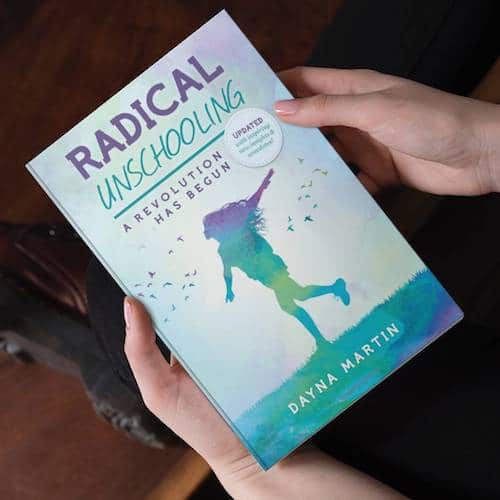
Radical Unschooling:
Unschooling is a progressive educational approach that emphasizes self-directed learning and the belief that children are naturally curious and motivated to learn. In recent years, there has been a growing movement within unschooling called radical unschooling. Radical unschooling takes the principles of traditional unschooling even further by promoting freedom in all aspects of a child’s life, including their daily routines, food choices, and access to technology.
At its core, radical unschooling challenges conventional notions of education by asserting that children should have complete autonomy over their own learning journey. This means that instead of following a structured curriculum or adhering to set lesson plans, children are encouraged to pursue their own interests and passions. Parents act as facilitators rather than teachers, providing resources and support when needed but ultimately allowing the child to take control of their own education.
One key aspect of radical unschooling is the idea that learning can happen at any time and anywhere. This means that formal schooling hours are not enforced, and children are free to explore subjects whenever they feel inspired or curious. For example, if a child develops an interest in astronomy after watching a documentary late at night, they can delve into this topic without restrictions on time or location.
In addition to academic pursuits, radical unschoolers also prioritize life skills such as cooking, cleaning, budgeting, and decision-making. These skills are seen as essential for navigating the real world successfully and are often learned through hands-on experiences rather than textbooks or classroom instruction.
Critics argue that radical unschooling may lead to gaps in knowledge or limited exposure to certain subjects. However, advocates believe that with unlimited access to information through books, online resources, community involvement, and travel opportunities – no knowledge is truly out of reach for an enthusiastic learner.
Unschooling for Children with Special Needs:
One area where unschooling has gained significant attention is its application for children with special needs. Traditional schooling systems may struggle to accommodate the unique learning styles and requirements of these individuals, leading many parents to explore alternative approaches such as unschooling.
Unschooling for children with special needs recognizes that each child is different and requires individualized support in their educational journey. By allowing children to direct their own learning path, parents can tailor activities and resources based on their child’s strengths, interests, and abilities. This personalized approach often leads to increased engagement and a more positive learning experience for the child.
In unschooling environments, children with special needs have the freedom to learn at their own pace without the pressure of meeting specific academic benchmarks or conforming to predetermined standards. They are given the space and time they need to fully understand concepts before moving on to new material.
Moreover, unschooling allows for flexibility in accommodating therapies or treatments that may be necessary for some children with special needs. Parents can integrate these interventions into daily routines without disrupting the flow of learning or causing unnecessary stress.
Unschooling in Rural Communities:
While unschooling is often associated with urban areas where there is easy access to diverse resources and communities, it has also gained popularity in rural communities around the world. In fact, rural settings can offer several unique benefits that complement an unschooling lifestyle.
One advantage of unschooling in a rural community is the abundance of natural spaces available for exploration and hands-on learning experiences. Children have opportunities to immerse themselves in nature, observe wildlife, engage in farming activities or gardening projects – all while developing a deep appreciation for their environment.
In addition, smaller tight-knit communities foster strong relationships among families who practice unschooling. The close connections allow parents and children alike to collaborate on various projects or organize group outings centered around shared interests or hobbies.
However, one challenge faced by families practicing unschooling in rural communities is limited access to specialized resources or extracurricular activities. To overcome this, some families may need to be creative in seeking out online resources, connecting with similar-minded families through social media platforms or organizing regular gatherings for children to engage in group activities.
Unschooling and Socialization:
One common concern raised about unschooling is the potential lack of socialization opportunities for children who are not attending traditional schools. However, proponents argue that unschooled children have ample opportunities to interact with a diverse range of individuals and develop strong social skills.
In an unschooling environment, children are not confined to interacting solely with peers of the same age group as they would be in a traditional school setting. Instead, they have the freedom to form relationships with people of different ages, backgrounds, and interests. This exposure allows them to develop empathy, communication skills, and adaptability – essential qualities for success in adulthood.
Furthermore, unschooled children often participate in community organizations or join interest-based groups where they can interact with like-minded individuals who share their passions. They may also engage in volunteer work or apprenticeships that provide valuable real-world experiences while fostering connections within their communities.
Unschooling and Self-Directed Learning:
Self-directed learning is at the heart of both unschooling and radical unschooling philosophies. It recognizes that individuals learn best when they are genuinely interested and motivated by a subject matter.
By allowing children the freedom to pursue their own interests and passions within an unschooling framework, self-directed learning naturally emerges. Children take ownership over their education by choosing what topics they want to explore deeply and how they want to approach them.
Self-directed learning encourages critical thinking skills as it requires learners to identify gaps in knowledge or areas where further exploration is needed. It also fosters independence and resourcefulness since learners must actively seek out information or resources on their chosen subjects.
Parents play a crucial role as facilitators by providing access to books, materials, mentors if available,
and guiding their children in setting goals or finding appropriate resources to support their learning. This collaborative relationship between parents and children promotes a sense of empowerment, agency, and lifelong learning.
Unschooling and Technology:
In the digital age, technology plays an increasingly significant role in education. Unschooling embraces this reality by recognizing that technology can be a powerful tool for self-directed learning.
Technology provides unschooled children with access to vast amounts of information at their fingertips. They can explore topics through online videos, educational websites, e-books, interactive apps, and virtual communities. These resources enable them to dive deeper into subjects of interest and connect with experts or peers across the globe.
However, it is essential for parents practicing unschooling to strike a balance when it comes to technology usage. Encouraging active engagement rather than passive consumption is key – using technology as a tool for creation rather than solely for entertainment purposes. Parents can guide their children towards using technology in ways that enhance their learning experiences while also ensuring they have opportunities for hands-on activities and real-world interactions.
Unschooling and Entrepreneurship:
One aspect of unschooling that often emerges naturally is the development of entrepreneurial skills. When children are given the freedom to follow their interests, they have the opportunity to explore various hobbies or projects that may turn into entrepreneurial ventures.
Through self-directed learning within an unschooling framework, children discover their passions early on and develop expertise in areas that genuinely interest them. This passion becomes the driving force behind entrepreneurial endeavors such as starting small businesses or launching creative projects.
Moreover, unschooled children often learn valuable life skills associated with entrepreneurship such as problem-solving, critical thinking,
communication,
and marketing without even realizing it since these skills are acquired organically while pursuing personal interests.
The arts (music) in Unschooling:
Unschoolers who have an inclination toward music find themselves immersed in an environment where creativity is nurtured and encouraged. Music holds a significant place in unschooling as it provides a means for self-expression, emotional development, and exploration of various cultures and traditions.
Unschoolers often have the freedom to choose their preferred musical instruments or styles without the constraints of traditional music education programs. They can experiment with different genres, collaborate with fellow musicians, or even compose their own original pieces.
Additionally, unschooled children have the flexibility to dedicate more time to practicing and honing their musical skills compared to those following rigid school schedules. This allows them to progress at their own pace and fully immerse themselves in the world of music.
Parents play a supportive role by providing access to instruments, lessons if desired,
and opportunities for performance or engagement with the broader musical community both online and offline.
In conclusion, radical unschooling challenges traditional notions of education by promoting freedom in all aspects of a child’s life. Whether practiced in urban or rural communities, unschooling offers personalized learning experiences that cater to individual needs and interests while fostering independence, creativity,
and critical thinking skills. With technology as an ally and parents as facilitators,
unschooled children are well-equipped for self-directed learning journeys that cultivate lifelong curiosity and passion across diverse domains including entrepreneurship
and the arts such as music.
 Alternative Amie
Leave a comment