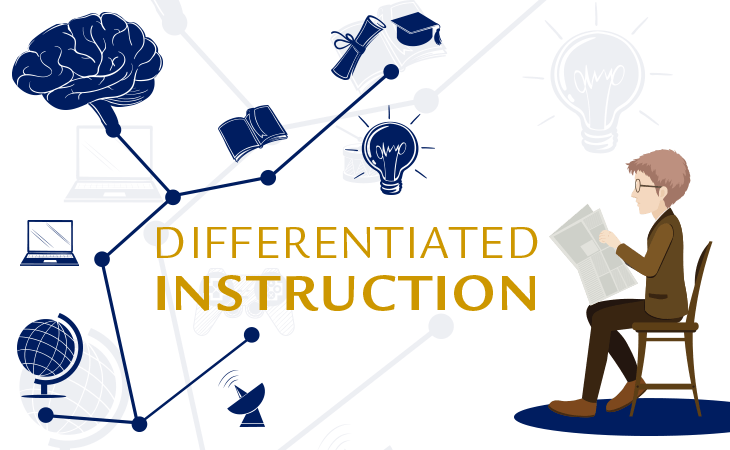
Differentiated Instruction: Meeting the Diverse Needs of Students
In today’s educational landscape, one size does not fit all. Each student comes with unique strengths, weaknesses, learning styles, and interests. Traditional teaching methods often struggle to cater to this diversity, leading to disengaged students and limited academic growth. However, educators are increasingly turning to differentiated instruction as a means of addressing this challenge.
What is Differentiated Instruction?
Differentiated instruction is an instructional approach that recognizes and accommodates the diverse needs of learners within a classroom setting. It involves tailoring teaching methods, content, and assessment strategies to meet individual students’ readiness levels, interests, and learning profiles.
The concept of differentiated instruction emerged in response to the realization that not all students learn at the same pace or in the same way. It moves away from the traditional one-size-fits-all model by acknowledging that learners require personalized approaches for optimal engagement and achievement.
Key Principles of Differentiated Instruction
To effectively implement differentiated instruction in classrooms, teachers must adhere to certain key principles:
1. Recognizing learner variability: Understanding that each student has different abilities, experiences, cultural backgrounds, motivations, and interests is fundamental to effective differentiation.
2. Adjusting content: Teachers modify curriculum content based on students’ readiness levels – whether they need additional support or more challenging materials – ensuring everyone can access meaningful learning experiences.
3. Adapting process: The instructional methods employed should align with individual learning preferences while fostering critical thinking skills and problem-solving abilities.
4. Varying products: Allowing students multiple options for demonstrating their understanding promotes creativity and caters to their preferred modes of expression (e.g., written assignments vs. presentations).
5. Assessing authentically: Moving beyond standardized tests allows teachers to evaluate student progress through varied assessments such as projects or portfolios that reflect real-world applications of knowledge.
Strategies for Implementing Differentiated Instruction
While implementing differentiated instruction requires careful planning and flexibility, several strategies can support its effective implementation:
1. Flexible grouping: Students are grouped based on shared learning needs, allowing for targeted instruction and collaborative learning experiences. Teachers may employ whole-class, small-group, or individualized instruction as needed.
2. Tiered assignments: Offering different levels of complexity within a single assignment enables students to access content at their own readiness level while achieving the same learning goals.
3. Learning stations/centers: Creating various stations with activities tailored to different learners’ needs allows students to rotate through tasks that align with their interests or skill levels.
4. Choice boards/menus: Providing a menu of options empowers students to select activities that resonate with them while addressing specific learning objectives.
5. Varied resources/materials: Incorporating diverse instructional materials – such as audio recordings, videos, visuals, or manipulatives – helps engage students with varying learning preferences and abilities.
Benefits of Differentiated Instruction
By adopting differentiated instruction practices in classrooms, educators can unlock numerous benefits for both students and themselves:
1. Increased engagement: Learners who feel seen and supported are more likely to be engaged in the classroom environment, leading to greater motivation and active participation in the learning process.
2. Enhanced academic growth: When instruction is tailored to meet individual learners’ needs, they can progress at an optimal pace rather than being held back by standardized approaches.
3. Improved self-esteem: By recognizing and valuing each student’s unique strengths and contributions, differentiated instruction fosters positive self-perception and builds confidence among learners.
4. Inclusive classrooms: Differentiation promotes inclusivity by accommodating diverse learner profiles within one classroom setting instead of segregating students based on ability levels.
5. Professional growth for teachers: Implementing differentiated instruction requires ongoing reflection and professional development for teachers, leading to enhanced instructional skills overall.
Challenges of Differentiated Instruction
While differentiated instruction offers numerous advantages in promoting personalized education experiences, it is not without its challenges:
1. Time constraints: Planning and implementing differentiated instruction can be time-consuming for teachers, especially when managing diverse learner needs and preparing individualized materials.
2. Classroom management: Balancing various tasks and activities within a differentiated classroom can pose challenges in terms of organization, noise control, and attention management.
3. Assessment complexity: Assessing students’ understanding and progress when using different instructional approaches requires careful consideration to ensure fair evaluation across diverse learning paths.
4. Limited resources: Providing varied materials and resources tailored to individual learners can strain limited educational budgets or access to specialized tools.
Conclusion
Differentiated instruction is a powerful approach that recognizes the uniqueness of each student while empowering them with personalized learning opportunities. By embracing differentiation in classrooms, educators can create inclusive environments where all students have the opportunity to thrive academically, emotionally, and socially. While implementation may present some challenges, the benefits far outweigh them – from increased engagement and academic growth to improved self-esteem for learners. As education progresses towards more student-centered approaches, differentiated instruction paves the way for a brighter future where every child receives an education tailored to their needs.
 Alternative Amie
Leave a comment