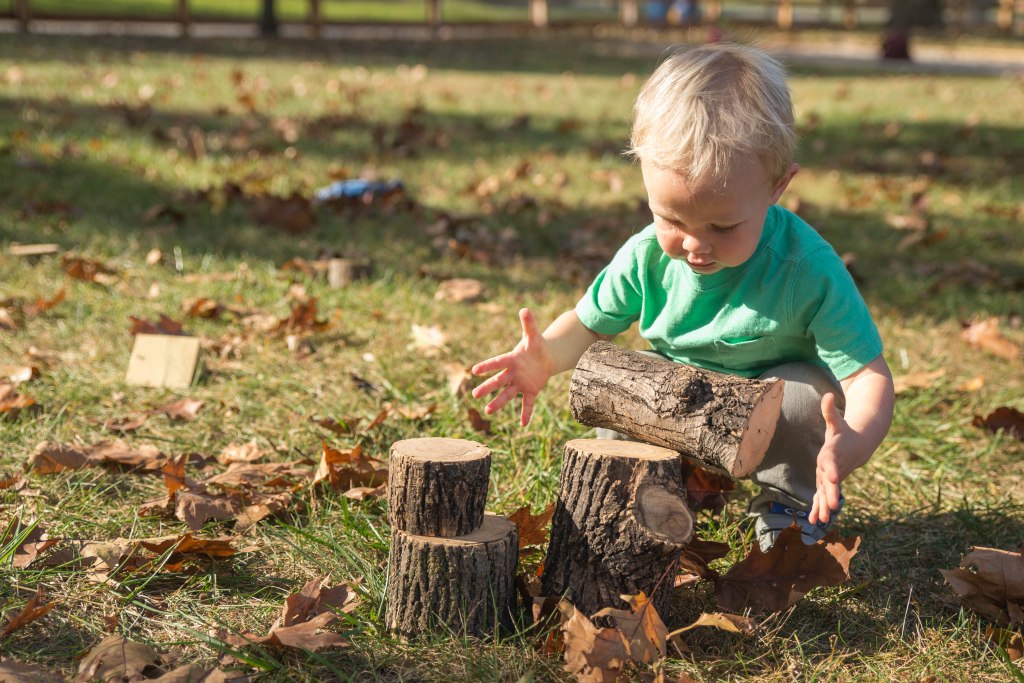
Outdoor education has gained significant popularity in recent years as an alternative approach to traditional schooling. This innovative method focuses on providing students with hands-on experiences in natural settings, fostering a deeper connection with the environment and promoting personal growth and development. To delve into this topic further, I had the opportunity to interview Sarah Thompson, an experienced outdoor educator who runs her own outdoor education program.
Q: Can you tell us about your background as an outdoor educator?
Sarah: I have always been passionate about nature and its potential for learning. After completing my degree in environmental studies, I decided to pursue a career in outdoor education. Over the past ten years, I have worked with various schools and organizations, designing and leading educational programs that combine academic content with experiential learning in nature.
Q: What are some of the benefits of incorporating outdoor education into a child’s learning journey?
Sarah: Outdoor education offers numerous benefits for children’s holistic development. Firstly, it enhances their physical health by engaging them in activities like hiking, canoeing or rock climbing which promote fitness and encourage an active lifestyle. Secondly, it nurtures emotional well-being by creating opportunities for self-reflection and building resilience through overcoming challenges outdoors.
Additionally, spending time outside also fosters better mental health outcomes by reducing stress levels often associated with conventional classrooms. Studies show that being surrounded by green spaces can improve concentration levels and overall cognitive functioning.
Q: How does outdoor education complement traditional classroom learning?
Sarah: While traditional classrooms provide essential academic instruction, they often lack the practical application aspect that is intrinsic to outdoor education. By taking lessons outdoors, students get to see concepts taught in textbooks come alive before their eyes. For instance, studying biology may involve observing plant life cycles firsthand or identifying different bird species during a nature walk.
Furthermore, being exposed to real-world scenarios fosters critical thinking skills and problem-solving abilities among students – skills that are highly sought after in today’s job market but are often underdeveloped in traditional educational settings.
Q: What challenges do you face as an outdoor educator?
Sarah: One of the main challenges is overcoming the perception that outdoor education is a mere recreational activity. Many people fail to recognize its value as a legitimate educational approach and assume it lacks academic rigor. Additionally, logistical concerns such as weather conditions, transportation, and safety considerations can sometimes hinder planning and execution.
Q: How can parents and schools incorporate elements of outdoor education into their children’s learning experiences?
Sarah: Parents can start by encouraging regular outdoor playtime with their children, exploring local parks or nature trails. They can also seek out community-based programs or summer camps that emphasize environmental education. Schools can integrate outdoor activities into their curriculum by organizing field trips to natural sites, hosting guest speakers from environmental organizations, or even creating dedicated outdoor classrooms where lessons are conducted in nature whenever possible.
In conclusion, outdoor education provides a unique opportunity for students to connect with the natural world while gaining valuable knowledge and skills outside the confines of traditional classrooms. By incorporating this approach into our children’s learning journeys, we not only cultivate a deep appreciation for nature but also foster personal growth and development in various areas of their lives.
 Alternative Amie
Leave a comment