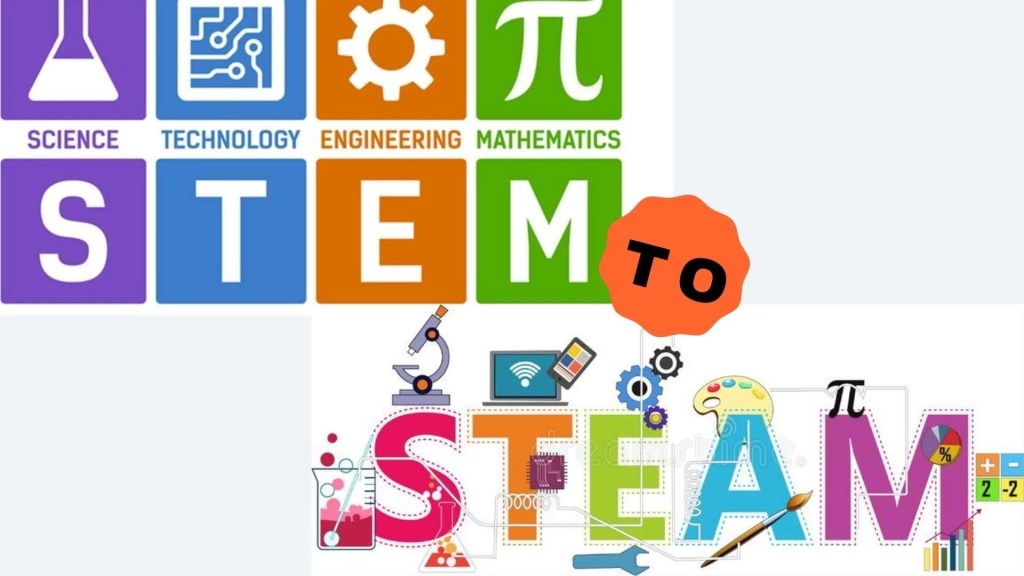
In recent years, there has been a growing emphasis on STEAM education as an effective approach to prepare students for the challenges of the 21st century. STEAM stands for Science, Technology, Engineering, Arts, and Mathematics – a multidisciplinary approach that integrates these subjects into one cohesive curriculum.
The traditional focus on STEM subjects alone is gradually evolving to include the arts (A) in order to foster creativity and innovation in students. This holistic approach recognizes that artistic expression and design thinking are essential components of problem-solving and critical thinking skills.
One of the key advantages of STEAM education is its ability to engage students through hands-on learning experiences. By combining different disciplines, students are encouraged to think outside the box and apply their knowledge in real-world scenarios. For example, instead of simply memorizing scientific concepts or mathematical formulas, students can use this knowledge to design experiments or create prototypes.
Moreover, STEAM education promotes collaboration among students from diverse backgrounds. It encourages teamwork and communication skills by involving them in group projects where they learn how different perspectives contribute to finding solutions. These collaborative experiences mirror real-life work environments where professionals from various fields come together to solve complex problems.
STEAM education also prepares students for future careers that require a wide range of skills beyond technical expertise. As automation continues to advance rapidly across industries like manufacturing and transportation, jobs will increasingly demand workers with creative problem-solving abilities that cannot be easily replicated by machines.
However, implementing STEAM programs effectively requires dedicated teachers who possess both subject matter expertise across multiple disciplines as well as instructional strategies tailored for interdisciplinary learning. Professional development opportunities should be provided so teachers can develop and enhance these competencies.
Additionally, access to resources such as technology tools or well-equipped makerspaces plays a crucial role in supporting student engagement with hands-on activities. Schools must invest in relevant infrastructure and materials necessary for implementing successful STEAM programs.
While challenges persist in integrating all five disciplines seamlessly into curricula, the benefits of STEAM education are undeniable. By fostering critical thinking, collaboration, and creativity, it equips students with the skills they need to thrive in a rapidly changing world. As educators and policymakers continue to recognize its value, we can expect to see further growth and evolution of STEAM education in schools worldwide.
 Alternative Amie
Leave a comment