Gamification in Online Learning:
In recent years, gamification has emerged as a powerful tool in the field of online learning. By incorporating game elements into educational activities, such as quizzes, assignments, and simulations, educators can enhance student engagement and motivation.
One key aspect of gamification is the use of rewards and incentives to encourage students to actively participate in their learning journey. For example, students may earn points or badges for completing tasks or achieving certain milestones. These rewards not only provide immediate gratification but also serve as tangible evidence of progress and accomplishment.
Furthermore, gamification fosters healthy competition among learners. Leaderboards and rankings allow students to compare their performance with peers, spurring them to strive for better results. This element of social interaction can boost motivation levels and create a sense of community within an online learning environment.
Virtual Reality in Education:
Virtual reality (VR) technology has revolutionized the way we learn by enabling immersive experiences that simulate real-world scenarios. In education, VR offers numerous benefits that traditional teaching methods cannot replicate.
For instance, VR allows students to explore places they may never have the opportunity to visit physically. They can virtually walk through historical sites or dive deep into marine ecosystems without leaving the classroom. This experiential learning enhances understanding and retention while making lessons more engaging.
Moreover, VR facilitates hands-on training in fields like medicine or engineering where practical experience is crucial. Students can practice complex procedures or experiments in a safe virtual environment before applying their skills in real-world settings.
Peer-to-Peer Learning Platforms:
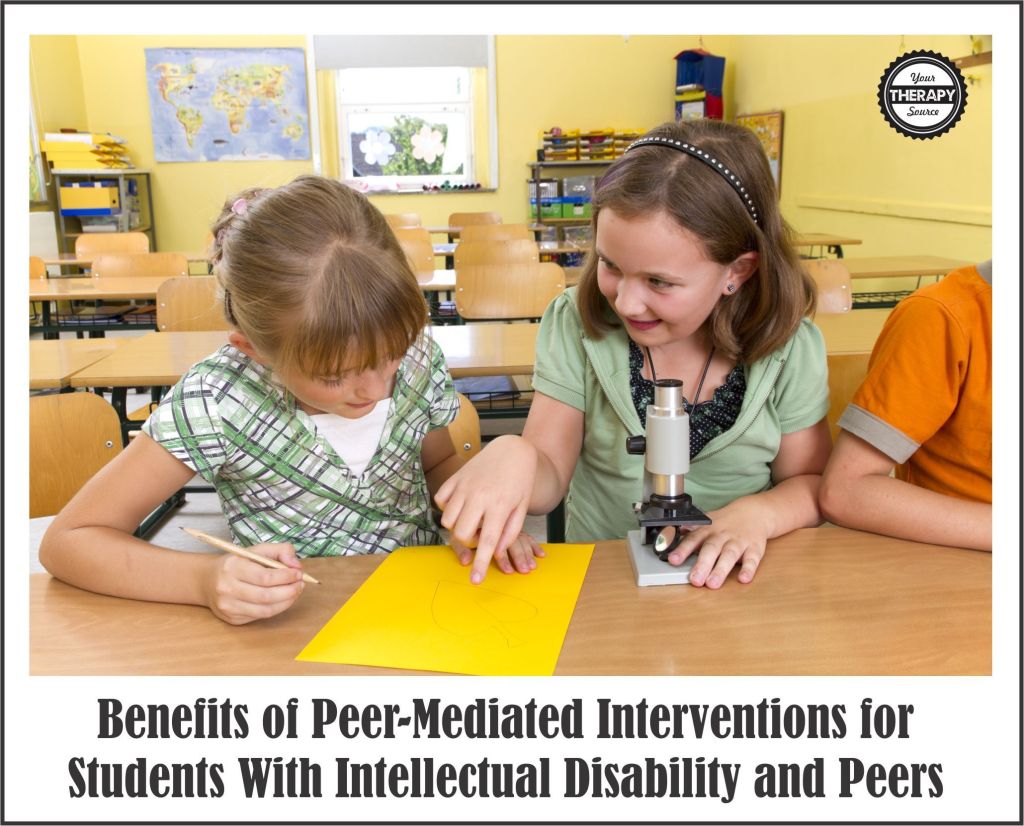
Peer-to-peer (P2P) learning platforms are transforming online education by harnessing the collective knowledge and expertise of learners themselves. These platforms facilitate collaboration among students who share a common goal – acquiring knowledge together.
Through P2P platforms, learners can connect with peers from diverse backgrounds and engage in meaningful discussions about course content. They can exchange ideas, ask questions, provide feedback on assignments, and learn from each other’s perspectives.
This collaborative approach to learning not only enhances critical thinking and problem-solving skills but also promotes a sense of community and support. Students can form study groups, share resources, and even mentor one another, fostering a dynamic learning ecosystem.
Online Learning for Students with Disabilities:
Online learning has opened up new opportunities for students with disabilities by providing accessible and inclusive education. With the right tools and platforms in place, students with visual, hearing, or mobility impairments can fully participate in online courses.
For visually impaired students, text-to-speech software or screen readers provide auditory access to course materials. Closed captioning and sign language interpretation cater to the needs of hearing-impaired learners. Additionally, adaptive technologies like speech recognition software enable students with limited mobility to navigate online platforms effortlessly.
Educators play a crucial role in ensuring that online content is designed with accessibility in mind. This includes using alt-text for images, providing transcripts for videos, and structuring course materials for easy navigation using assistive devices.
In conclusion, the advent of technology has revolutionized online learning by introducing various innovative approaches that enhance student engagement, inclusivity, collaboration, and personalization. From gamification to virtual reality experiences to peer-to-peer interactions – these advancements are reshaping the way we acquire knowledge and skills through alternative schooling methods.
 Alternative Amie
Leave a comment