Microschooling: A Promising Solution for Education Gaps
The traditional model of large, centralized schools may not meet the unique needs and preferences of all students. As a result, alternative education options like microschools have gained popularity in recent years. Microschools are small-scale learning communities that typically consist of fewer than 100 students and are led by a team of dedicated teachers or facilitators. These innovative educational settings offer flexibility, personalized instruction, and community engagement, making them a promising solution for addressing various challenges in education. In this article, we will explore different aspects of microschooling and its potential impact on student outcomes.
1. Microschool Curriculum Design:
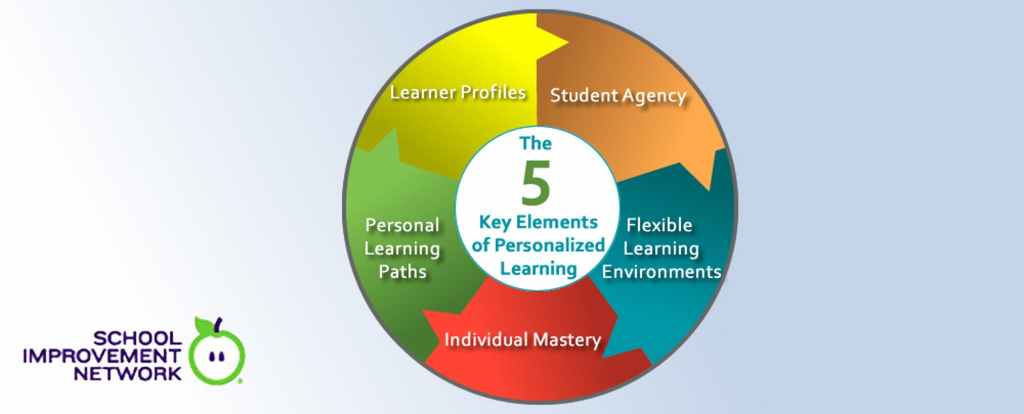
One key advantage of microschools is their ability to tailor curriculum design to individual student needs. With smaller class sizes, educators can focus on personalized learning plans that cater to each student’s strengths, interests, and learning styles. This approach allows for more hands-on activities, project-based learning experiences, and integrated curricula that foster critical thinking skills while ensuring a well-rounded education.
2. Microschool Funding Models:
Funding microschools can be challenging as they often rely on alternative methods beyond traditional public funding sources. Some models include private tuition fees paid by parents or partnerships with community organizations or businesses interested in supporting local education initiatives. Additionally, fundraising efforts through grants or crowdfunding campaigns have become popular ways to secure financial resources for these independent educational institutions.
3. Microschool Teacher Training and Professional Development:
As microschools operate outside the bounds of conventional school systems, specialized training programs are crucial for equipping teachers with the necessary skills to excel in these unique environments. Professional development opportunities focused on pedagogy tailored to small-group instruction methods and fostering collaborative relationships within microschool communities should be prioritized.
4. Challenges of Scaling Microschools:
While microschools offer significant benefits regarding personalization and community involvement, scalability remains a challenge due to limited physical space requirements and resource constraints associated with maintaining small class sizes. Innovative solutions such as leveraging technology, partnering with existing community organizations, or establishing networks of microschools can help overcome these obstacles.
5. Microschools for Students with Special Needs:
Microschools have shown promise in providing inclusive education for students with special needs. By offering smaller and more supportive environments, these schools can better address individualized learning plans and provide the necessary accommodations to support student success. Collaboration between educators, therapists, and families is essential to ensure a comprehensive approach to meeting the diverse needs of students in microschool settings.
6. Parent Involvement in Microschools:
One distinguishing feature of microschools is their emphasis on parent involvement and engagement. Parents play an active role in shaping the educational experience by participating in decision-making processes, contributing expertise or resources, and collaborating closely with teachers to support their child’s learning journey.
7. Role of Technology in Microschooling:
Technology plays a crucial role in facilitating personalized learning experiences within microschool settings. Online resources, digital tools for collaboration and communication, adaptive learning platforms, and virtual field trips are just some examples of how technology can enhance instruction while fostering creativity and critical thinking skills among students.
8. Assessments and Evaluations in Microschools:
Traditional standardized assessments may not accurately capture the progress made by students within microschool environments due to their unique instructional approaches. Implementing alternative assessment methods like portfolios or project-based evaluations that align with personalized learning goals can provide a more holistic view of student growth.
9. Microschooling for Gifted and Talented Students:
Microschools offer an ideal setting for catering to the specific needs of gifted and talented students who often require differentiated instruction beyond what traditional classrooms can offer. Through tailored curriculum design, enrichment programs, mentorship opportunities, and access to advanced resources or technologies; gifted learners thrive academically while also developing social-emotional skills through interaction with intellectual peers.
10. Microschools as a Solution for Rural Education Gaps:
Rural communities often face challenges in providing quality education opportunities due to limited resources, distance, and a lack of specialized teachers. Microschooling can address these gaps by establishing small learning hubs that bring together students from various rural areas, facilitating access to diverse educational experiences and personalized instruction.
In conclusion, microschools hold great promise as an alternative education model that addresses the unique needs and preferences of students. With their focus on personalization, community engagement, and flexibility in curriculum design, microschools offer a promising solution for addressing various challenges in education. By embracing innovative approaches to funding, teacher training, technology integration, assessment methodologies, and inclusion practices; microschools have the potential to create transformative educational experiences that prepare students for success in the 21st century.
 Alternative Amie
Leave a comment