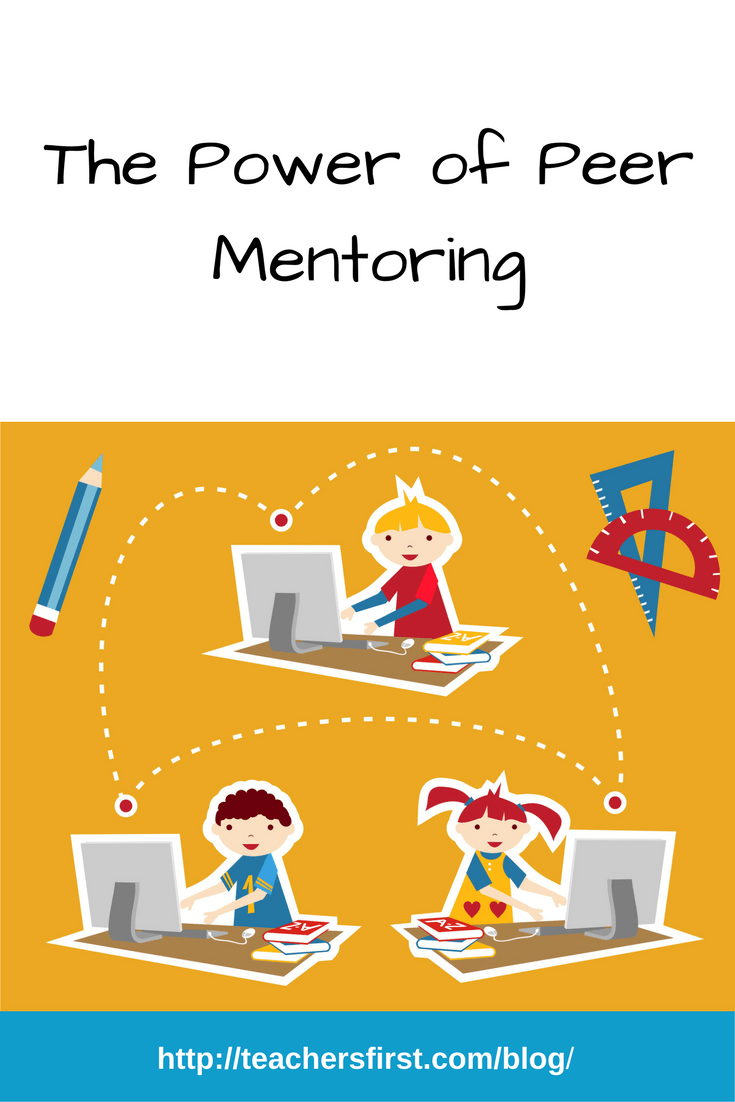
Peer mentoring is an effective way for students to support and learn from each other in alternative schooling environments. In this approach, older or more experienced students take on the role of mentors and provide guidance and assistance to their peers. Peer mentoring allows for a sense of camaraderie and fosters a supportive learning community where students can freely exchange ideas and knowledge.
Virtual mentorship is becoming increasingly popular in alternative education settings, especially with the rise of online learning platforms. Through virtual mentorship programs, students can connect with experts and professionals in various fields who can offer guidance, feedback, and real-world insights. This form of mentorship breaks down geographical barriers and provides opportunities for students to engage with mentors from different parts of the world.
Mentorship for homeschooling parents is crucial as it helps them navigate the challenges of teaching their children at home. Experienced homeschooling parents can serve as mentors, sharing their expertise, resources, and strategies with those who are new to the practice. They can provide valuable advice on curriculum planning, time management techniques, socialization opportunities, and how to create a stimulating learning environment within the home.
Unschooling approaches emphasize self-directed learning based on individual interests rather than following a structured curriculum. Mentorship plays a significant role in unschooling by connecting learners with knowledgeable individuals who can guide them in exploring their passions deeply. These mentors act as facilitators rather than instructors, encouraging critical thinking skills while providing support when needed.
In project-based learning (PBL), mentorship allows students to work closely with experts or professionals from relevant industries. Mentors help design projects that align with real-world challenges faced by these industries while providing guidance throughout the process. By having access to experienced professionals as mentors, students gain practical knowledge beyond what traditional classroom instruction alone could offer.
Personalized learning aims to cater to each student’s unique needs and interests by tailoring educational experiences accordingly. Mentorship plays an integral part in personalized learning, as mentors can provide individualized support and guidance to help students set goals, explore new areas of interest, and develop their skills. Mentors act as a source of inspiration, helping students discover their strengths and passions.
Experiential education emphasizes hands-on learning experiences that go beyond the classroom walls. In this approach, mentors play a vital role in facilitating authentic learning opportunities by connecting students with real-world experiences. Whether it’s organizing field trips or inviting experts to share their knowledge, mentors ensure that students have access to immersive learning experiences that enhance their understanding and application of concepts.
Outdoor education programs offer unique opportunities for mentorship in natural environments. Mentors who are well-versed in outdoor skills and environmental stewardship guide students through activities such as hiking, camping, or scientific exploration. These mentors not only teach practical outdoor skills but also instill values like teamwork, resilience, and an appreciation for nature.
In arts-based education, mentorship allows aspiring artists to learn from experienced professionals who can provide guidance on technique development and creative expression. Through one-on-one mentoring relationships or workshops led by established artists, students can refine their artistic abilities while gaining insights into the professional art world.
Self-directed learning empowers individuals to take control of their educational journeys. Mentorship is crucial in self-directed learning settings as it provides guidance when learners encounter challenges or need direction. Mentors serve as sounding boards for ideas, offer advice on resources and strategies for independent study, and help learners reflect on their progress.
Mentoring plays a significant role in STEM education by connecting students with professionals working in science-related fields. These mentors expose students to real-world applications of STEM subjects while providing career guidance and advice on pursuing higher education or entering the workforce.
Social-emotional learning (SEL) focuses on developing essential life skills such as empathy, self-awareness, resilience, and responsible decision-making. Mentorship complements SEL efforts by providing a supportive relationship where mentors can model and guide students in developing these skills.
Alternative assessment methods, such as portfolios, exhibitions, or presentations, require mentorship to ensure fair and accurate evaluation. Mentors can help students select and showcase their best work while providing constructive feedback for improvement.
Community-based education programs often rely on mentorship to connect students with local resources and expertise. Mentors from the community offer guidance, share their experiences, and provide practical insights that enhance learning beyond the traditional classroom.
Inclusive education practices aim to create supportive environments for learners of all abilities. Mentorship plays a critical role in inclusive education by supporting teachers in differentiating instruction to meet diverse learner needs effectively. Mentors can offer strategies for adapting curriculum materials, creating inclusive classrooms, and fostering positive relationships among students.
Non-traditional classroom settings like outdoor spaces or maker labs benefit greatly from mentoring relationships. In these settings, mentors provide technical guidance, safety instructions, and support students’ exploration of new tools or equipment.
Student-led initiatives encourage student agency by allowing them to take ownership of projects or activities within the school community. Mentoring provides essential support by helping students develop leadership skills, plan effectively, collaborate with peers successfully, and overcome obstacles along the way.
Mindfulness practices promote emotional well-being and focus on cultivating present-moment awareness. Mentorship in mindfulness helps individuals develop mindful habits through regular practice sessions guided by experienced practitioners who provide instruction on meditation techniques and offer personal support throughout the journey.
Career exploration is vital for helping learners make informed decisions about their future paths. Mentorship connects students with professionals who can share insights into various careers through informational interviews or shadowing opportunities. These mentors also assist in developing career plans based on individual interests and strengths.
Alternative educational philosophies such as Montessori or Waldorf have unique approaches that require mentorship to fully understand their principles and methodologies. Experienced educators serve as mentors guiding others interested in implementing these philosophies within their own educational settings.
Mentoring programs for at-risk youth in alternative schools provide additional support and guidance to students facing various challenges. Mentors help build positive relationships, foster resilience, and offer assistance in overcoming obstacles both inside and outside the classroom.
Distance learning environments benefit from mentorship by providing students with personalized support even when physically distant. Mentors can offer virtual office hours, individualized feedback on assignments, or facilitate online discussions to ensure that students feel connected and supported throughout their learning journey.
Gifted and talented students often require specialized attention to nurture their unique abilities fully. Mentorship provides opportunities for these learners to work closely with experts or mentors who can challenge them intellectually, provide enrichment activities, and guide them towards advanced learning opportunities.
Alternative high school programs cater to diverse student needs beyond traditional academic settings. Mentorship within these programs helps students set goals, develop study skills, explore career options, or navigate college admissions processes.
Adult learners seeking alternative education options benefit from mentorship as they navigate their educational journeys while balancing other life responsibilities. Mentors provide guidance on program selection, time management strategies, study techniques, and connect adult learners with relevant resources or networking opportunities.
In conclusion, mentorship plays a vital role in various aspects of alternative schooling and education. Whether it’s peer mentoring for student collaboration or virtual mentorship connecting learners with professionals worldwide; whether it’s supporting homeschooling parents or guiding unschooling approaches; whether it’s fostering inclusive practices or facilitating career exploration – mentors play an essential part in creating meaningful learning experiences for individuals of all ages in alternative education settings.
 Alternative Amie
Leave a comment