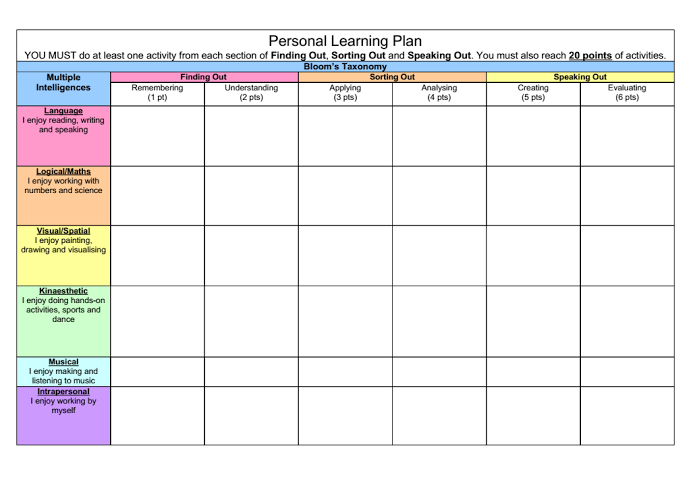
Personalized Learning Plans: Empowering Students to Thrive
Education has evolved significantly over the years, moving away from traditional one-size-fits-all approaches and towards more personalized learning experiences. Personalized learning plans have emerged as a powerful tool in this shift, empowering students to take control of their education and thrive academically and personally. In this article, we will explore what personalized learning plans are, why they are important, how they can be implemented effectively, and the benefits they offer to both students and educators.
What are Personalized Learning Plans?
A personalized learning plan (PLP) is a customized roadmap that outlines an individual student’s academic goals, interests, strengths, weaknesses, and specific support needed to achieve those goals. It is designed collaboratively by the student, parents or guardians if applicable, teachers or mentors, and other relevant educational stakeholders. PLPs provide a framework for tailoring instruction to meet each student’s unique needs while promoting self-direction and ownership of learning.
Why are Personalized Learning Plans Important?
1. Meeting Individual Needs: Every student learns differently; hence it is crucial to recognize their individual strengths, weaknesses, interests, and aspirations. A PLP ensures that instruction is tailored accordingly so that every student can reach their full potential.
2. Fostering Engagement: When students have input into their education through active participation in designing their PLPs – setting goals aligned with personal interests – they become more engaged in the learning process. This engagement leads to increased motivation and deeper understanding of the subject matter.
3. Promoting Autonomy: By allowing students to take ownership of their education journey through PLPs’ collaborative design process – including goal-setting strategies – autonomy is fostered within them. This autonomy cultivates critical skills such as time management decision-making abilities necessary for lifelong success.
4. Enhancing Equity: Personalized learning plans help bridge achievement gaps by addressing individual needs more precisely than traditional teaching methods allow. The focus on each student’s unique requirements ensures that all learners have equal opportunities for success, regardless of their background or learning style.
Implementing Effective Personalized Learning Plans
To implement effective personalized learning plans, a comprehensive approach is required. Here are some essential steps and considerations:
1. Goal Setting: Start by guiding students to set realistic short-term and long-term goals aligned with their interests and abilities. Encourage them to consider academic, personal growth, and career aspirations.
2. Assessing Strengths and Weaknesses: Conduct assessments or use existing data to identify each student’s strengths and weaknesses in various subject areas or skill sets. This information will inform the design of strategies to address any gaps.
3. Designing Individualized Instruction: Based on the assessment results, develop tailored instructional approaches that cater to individual needs within the broader curriculum framework. Utilize various teaching methods such as project-based learning, flipped classrooms, or online resources to provide diverse opportunities for students’ engagement.
4. Regular Progress Monitoring: Continuously monitor students’ progress towards their goals using formative assessments and feedback loops designed specifically for each student’s PLP needs. Regular check-ins help track progress, make necessary adjustments, celebrate achievements, and provide additional support when required.
5. Collaboration Among Stakeholders: Involve parents/guardians in the PLP process through regular communication channels such as conferences or digital platforms that allow sharing updates on student performance and discussing potential improvements collaboratively.
Benefits of Personalized Learning Plans
1. Academic Growth: By addressing individual needs more effectively than traditional instruction methods can achieve alone, PLPs promote academic growth among students at all levels of ability.
2. Increased Motivation: Students who actively participate in designing their education plan feel more motivated because they see a direct connection between their efforts and desired outcomes.
3. Improved Engagement: With personalized learning plans incorporating activities aligned with personal interests into the curriculum – be it arts, sports, or other passions – students are more engaged and invested in their learning experiences.
4. Enhanced Problem-Solving Skills: PLPs encourage critical thinking, problem-solving, and decision-making skills as students learn to navigate challenges, set goals, and reflect on their progress independently.
5. Success Beyond the Classroom: Personalized learning plans not only equip students with subject-specific knowledge but also foster transferable skills such as time management, self-advocacy, and resilience that serve them well beyond academic years.
In conclusion, personalized learning plans offer an empowering approach to education by recognizing individual student needs while fostering engagement and autonomy. By implementing effective PLPs through collaboration among stakeholders and tailoring instruction accordingly, we can provide a comprehensive educational experience that promotes academic growth and equips students with essential life skills. As educators embrace this shift towards personalization, we move closer to creating a future where every learner has the opportunity to thrive.
 Alternative Amie
Leave a comment