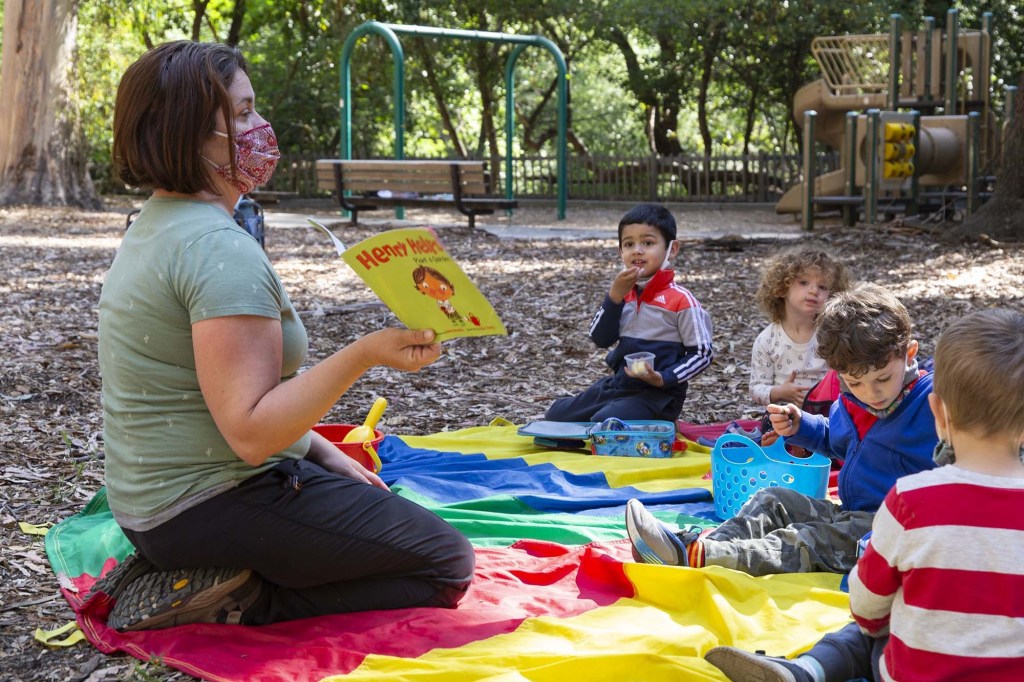
Outdoor education is a unique approach to learning that takes students out of the traditional classroom setting and into the great outdoors. It provides hands-on, experiential learning opportunities that foster personal growth, environmental awareness, and critical thinking skills. In this case study, we will explore the benefits of outdoor education and how it can contribute to alternative schooling and education.
One of the primary advantages of outdoor education is its ability to engage students in active learning. Instead of passively absorbing information from textbooks or lectures, students actively participate in activities such as hiking, camping, rock climbing, or team-building exercises. These experiences not only make learning more enjoyable but also help students develop practical skills like problem-solving, communication, teamwork, and leadership.
Moreover, outdoor education promotes physical health and well-being by encouraging physical activity. Spending time outdoors allows students to experience nature firsthand while engaging in activities that promote fitness and exercise. This approach helps combat sedentary lifestyles often associated with traditional educational settings.
In addition to physical health benefits, outdoor education also enhances mental health and emotional well-being. Being immersed in nature has been proven to reduce stress levels and increase feelings of calmness and relaxation. Outdoor activities also provide opportunities for self-reflection and personal growth as students overcome challenges outside their comfort zones.
Furthermore, outdoor education fosters environmental awareness by deepening students’ connection with nature. Through direct exposure to natural habitats and ecosystems during field trips or expeditions, students gain a greater appreciation for the environment’s value. This heightened understanding often leads them towards sustainable practices such as recycling or conservation efforts.
Outdoor education can be particularly beneficial for alternative schooling approaches because it aligns with their core values of individualized learning experiences tailored to each student’s needs. By taking advantage of the flexible nature of outdoor classrooms – which could include forests, parks or even urban environments – teachers can design lessons that cater specifically to their student group’s interests or curriculum objectives.
For example, an alternative school focusing on environmental studies might organize a field trip to a local nature reserve. During this excursion, students could participate in guided hikes, bird-watching activities, and even conduct research on local flora and fauna. This hands-on experience allows students to connect theoretical concepts learned in the classroom with real-world applications.
Another benefit of outdoor education within alternative schooling is its ability to foster an inclusive learning environment. Outdoor activities can level the playing field for students with different learning styles or abilities. Unlike traditional classrooms where academic performance may be the sole measure of success, outdoor education values skills such as creativity, resilience, and adaptability.
Finally, outdoor education provides a unique opportunity for interdisciplinary learning. By integrating subjects like science, geography, history, art, and physical education into outdoor experiences, students gain a holistic understanding of various topics. For instance, while exploring a river ecosystem during a canoeing trip, students can learn about wildlife habitats (science), the historical significance of rivers (history), map reading skills (geography), photography or sketching techniques (art), and physical fitness through paddling (physical education).
In conclusion, outdoor education offers numerous benefits that align well with alternative schooling approaches. From active learning and physical health promotion to enhancing mental well-being and fostering environmental awareness – all while providing inclusive learning environments – it’s clear that taking the classroom outdoors can greatly enrich educational experiences for students. Embracing outdoor education is not only beneficial but also essential in developing well-rounded individuals who are prepared to face future challenges head-on while appreciating the natural world around them.
 Alternative Amie
Leave a comment