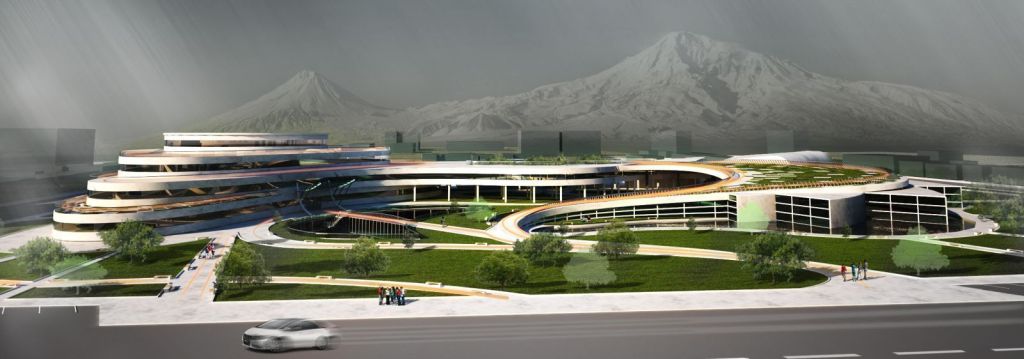
Architecture and urban planning play a crucial role in creating spaces that are conducive to learning and education. With the rise of alternative schooling and education approaches, there has been an increasing focus on designing structures and environments that cater to diverse educational needs. In this article, we will explore some notable architecture and urban planning projects that have successfully incorporated innovative ideas into their designs.
One such project is The Green School in Bali, Indonesia. Designed by PT Bamboo Pure, this school stands as a testament to sustainable design principles. The entire campus is constructed using locally sourced bamboo materials, promoting both environmental sustainability and cultural appreciation. The designers integrated open-air classrooms with plenty of natural light and ventilation, creating a harmonious connection between students and nature. By immersing students in such an environment, the school encourages hands-on learning experiences while fostering a deep sense of ecological stewardship.
In contrast to the Green School’s emphasis on nature, another remarkable project is the High Tech High (HTH) schools in San Diego, California. HTH embraces technology as an integral part of its curriculum delivery. Architectural Nexus designed these schools with flexible spaces that support collaborative learning through technology integration. Classrooms can easily be transformed into large presentation areas or reconfigured for small-group activities using movable walls and furniture. This adaptability allows teachers to personalize their teaching methods based on student needs while promoting engagement through interactive technologies.
Moving away from individual schools towards holistic urban planning initiatives, let us consider the example of Medellín’s educational transformation in Colombia. Facing social inequality challenges exacerbated by violence at one point in history, Medellín embarked on an ambitious plan to uplift marginalized communities through education-focused infrastructure development known as “Social Urbanism.” One significant project under this initiative was the construction of public libraries called “library-parks” (parques biblioteca). These architecturally stunning buildings serve not only as libraries but also as community centers offering various educational programs for all ages. Designed by architect Giancarlo Mazzanti, these libraries have become iconic symbols of social progress and educational empowerment.
Lastly, we must mention the Aga Khan Academy in Hyderabad, India. Designed by architect Charles Correa, this school exemplifies a fusion of modern and traditional architectural elements. The campus incorporates features like courtyards and verandas that encourage outdoor learning in a tropical climate while respecting local cultural practices. The design also prioritizes sustainability through rainwater harvesting systems and natural ventilation techniques. By blending contemporary educational needs with regional aesthetics, the Aga Khan Academy provides an inclusive environment for students to learn and grow.
In conclusion, alternative schooling and education can greatly benefit from thoughtful architecture and urban planning projects. Whether it is integrating nature into the learning environment, embracing technology as a tool for engagement or transforming entire communities through educational infrastructure development, these projects serve as inspiring models for innovative design approaches that foster holistic growth and learning experiences. As we continue to explore alternative education methods, let us not overlook the impact that well-designed spaces can have on shaping future generations’ educational journeys.
 Alternative Amie
Leave a comment