Outdoor Education: The Benefits of Learning Beyond the Classroom
Introduction:
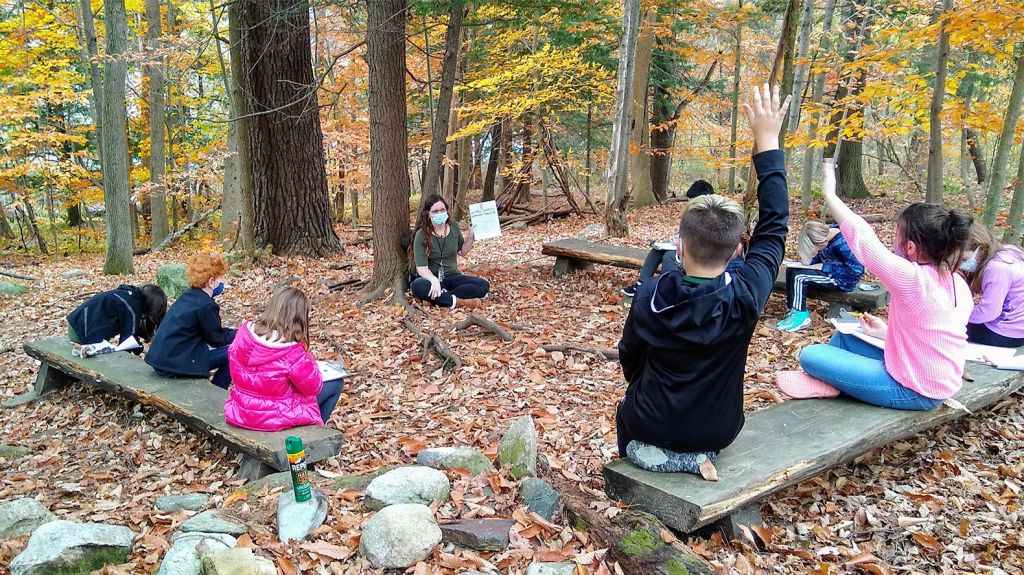
In recent years, there has been a growing interest in alternative approaches to education. One such approach that has gained popularity is outdoor education. Unlike traditional classroom learning, outdoor education takes students out of the four walls and into the natural environment, providing them with unique opportunities for experiential learning. In this article, we will explore the many benefits of outdoor education and why it is becoming an integral part of alternative schooling and education.
1. Enhancing Academic Achievement:
Contrary to popular belief, outdoor education does not mean compromising academic rigor. In fact, studies have shown that incorporating nature-based experiences into the curriculum can enhance academic achievement. Outdoor settings offer multisensory learning experiences that stimulate curiosity and engagement among students. For example, a biology class studying plant life can observe various species in their natural habitats rather than just relying on textbooks or diagrams.
2. Fostering Personal Development:
Beyond academics, outdoor education also plays a vital role in fostering personal development among students. Spending time outdoors allows individuals to develop self-confidence and resilience as they face challenges outside their comfort zones. Activities such as rock climbing or canoeing require teamwork and problem-solving skills while building trust among peers.
3. Promoting Physical Health:
With concerns about sedentary lifestyles and obesity rates among children rising, outdoor education comes as a breath of fresh air – literally! Engaging in physical activities like hiking or playing sports not only promotes physical fitness but also instills healthy habits from an early age.
4. Cultivating Environmental Awareness:
As climate change becomes an increasingly pressing issue, it is crucial to cultivate environmental awareness in young minds so they become responsible stewards of our planet’s resources. Outdoor education immerses students in nature’s wonders and teaches them about sustainability principles firsthand through hands-on experiences like planting trees or recycling initiatives.
5. Encouraging Creativity and Critical Thinking:
The natural environment offers an endless array of stimuli that can inspire creativity and critical thinking. Being surrounded by nature’s beauty encourages students to think outside the box and approach problems from different perspectives. It also provides a serene backdrop for reflection, allowing the mind to wander freely and generate innovative ideas.
6. Nurturing Emotional Well-being:
Amidst the pressures of academic performance and societal expectations, outdoor education acts as a sanctuary for nurturing emotional well-being. Spending time in natural surroundings has been linked to reduced stress levels, improved mood, and increased self-esteem. The tranquility and serenity provided by nature create a conducive environment for mindfulness practices that promote mental health.
7. Building Social Skills:
Outdoor education often involves group activities where students learn to work together toward common goals while respecting individual differences. Collaborative endeavors like setting up camp or participating in team-building exercises foster social skills such as communication, empathy, cooperation, and leadership – all essential attributes for success in personal relationships and professional settings.
8. Connecting Classroom Concepts with Real-world Applications:
One of the major advantages of outdoor education is its ability to bridge the gap between theoretical knowledge learned in classrooms with real-world applications. Whether it’s studying geology by examining rock formations or learning about local history through visits to historical landmarks, outdoor experiences help students understand how concepts they learn inside are relevant outside.
Conclusion:
Outdoor education offers numerous benefits that go beyond traditional classroom learning approaches. By providing opportunities for academic growth, personal development, physical health promotion, environmental awareness cultivation, creativity enhancement, emotional well-being nurturing,
social skill building,
and real-world application connection,
outdoor education equips students with holistic skills necessary for their overall development.
As alternative schooling continues to gain traction worldwide,
incorporating outdoor education into curricula becomes increasingly important
to shape well-rounded individuals capable of thriving both academically
and personally
 Alternative Amie
Leave a comment