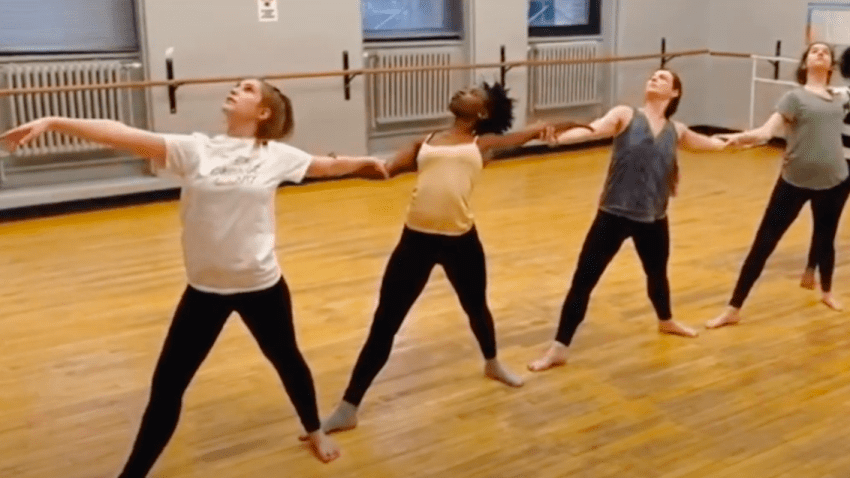
Dance is a universal language, capable of expressing emotions and stories without words. It is an art form that allows individuals to connect with their bodies, express themselves creatively, and communicate with others in a unique way. Whether it’s through classical ballet, contemporary dance, or hip hop, dance has the power to inspire, energize, and transform lives. In this article, we will delve into the world of dance and explore eight reasons why it should be a part of alternative schooling and education.
1. Physical Fitness:
One of the most obvious benefits of dance is its contribution to physical fitness. Dance requires strength, flexibility, coordination, and endurance – all qualities that are essential for maintaining a healthy body. Regular participation in dance classes can help students improve their cardiovascular health, increase muscle tone and strength, enhance balance and posture while also improving overall stamina.
2. Emotional Expression:
Dance provides an outlet for emotional expression like no other art form does. Through movement and music choices influenced by various genres such as contemporary or lyrical dancing styles , dancers can convey feelings ranging from joy to sadness or anger to love without uttering a single word. This emotional release can be particularly beneficial for young people who may struggle with verbal communication or find it challenging to express their emotions openly.
3. Creativity Boost:
Alternative schooling often emphasizes creativity by encouraging students’ unique perspectives on learning material or problem-solving methods outside traditional academic settings . Dance enhances this creative spirit by allowing students to explore movement possibilities freely within certain parameters set during class sessions – enabling them the opportunity for self-expression through choreography creation exercises as well as improvisation tasks where they respond instinctively rather than follow instructions rigidly.
4.Mental Health Benefits:
Engaging in regular physical activity like dancing has been shown to have positive effects on mental health . Dancing releases endorphins which are natural mood enhancers giving participants an instant boost of happiness after each session . Moreover , this art form provides an avenue for stress relief and relaxation as it allows individuals to focus their minds on the present moment, leaving behind any worries or concerns they may have outside of the dance studio. The combination of physical exertion and artistic expression can serve as a powerful tool in improving mental well-being.
5.Social Skills Development:
Dance classes foster an environment where students work together towards a common goal. Whether it’s learning a new routine, rehearsing for performances or collaborating on creative projects , dancers develop essential social skills such as teamwork, communication, cooperation and respect for others’ ideas . These skills are transferable to other areas of life and can help students build positive relationships both within and outside of the dance community.
6.Cultural Appreciation:
Dance is deeply rooted in various cultures around the world. By incorporating dance into alternative schooling and education curricula , students have the opportunity to learn about different traditions , customs , history, music styles associated with each culture through movement exploration exercises that encourages them to researches cultural dances from various regions across globe . This not only broadens their understanding of diversity but also fosters empathy, inclusivity, and appreciation for different cultures.
7.Confidence Building:
Dance requires individuals to step out of their comfort zones by performing in front of an audience or even just within the class setting. Through regular practice and performance opportunities provided during alternative schooling programs , dancers gradually gain confidence in themselves while developing self-esteem along with stage presence skills which are beneficial far beyond just dancing career aspirations since these qualities can be useful in any future professional path chosen .
8.Life Skills Acquisition:
Finally, dance instills valuable life skills that extend beyond the studio walls. Discipline, perseverance, time management – these are all attributes necessary for success in dance training but also applicable throughout one’s lifetime . Alternative schooling that incorporates dance helps cultivate these qualities by requiring consistent commitment toward improvement through diligent practice alongside attending school responsibilities or other extracurricular activities .
In conclusion, dance is a powerful art form that offers numerous benefits for individuals of all ages. By incorporating dance into alternative schooling and education programs, students can reap the physical, emotional, social, and cognitive rewards it provides. From improving physical fitness to fostering creativity and confidence building, dance has the potential to transform lives by nurturing both mind and body. So why not let your child or yourself experience the joy of movement and explore the world through dance?
 Alternative Amie
Leave a comment