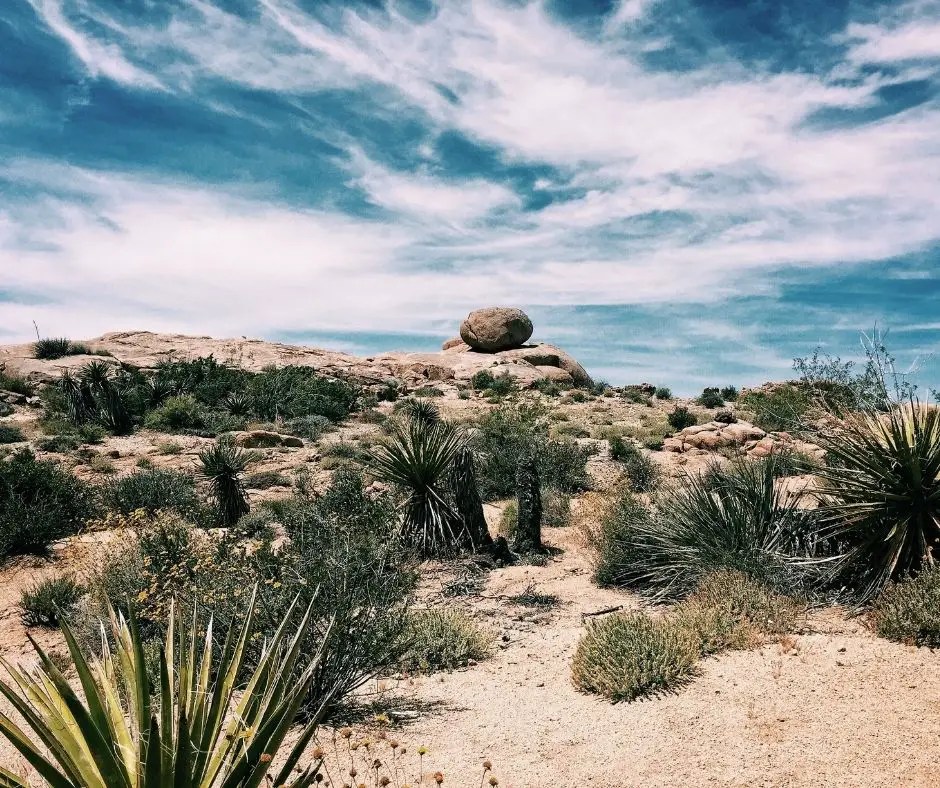
Desert Ecosystems: Unveiling the Marvels of Arid Environments
When we think of diverse and thriving ecosystems, deserts may not immediately come to mind. Often considered barren and lifeless, these arid environments actually hold a wealth of untold wonders. Desert ecosystems are unique and fascinating, showcasing remarkable adaptations by both plants and animals to survive in harsh conditions.
One key characteristic of desert ecosystems is their extreme temperature fluctuations. These regions experience scorching hot days followed by freezing cold nights. To cope with these drastic changes, many organisms have developed special adaptations. For instance, some plants have evolved thick waxy coatings on their leaves to prevent water loss through evaporation during the day. Others keep their stomata closed during daylight hours and only open them at night when it is cooler.
Water scarcity poses another significant challenge in deserts. However, desert flora has found ingenious ways to conserve this precious resource. Cacti are perhaps the most iconic example – they store water in their fleshy stems for long periods without rainfall. Some species even have spines that help reduce water loss by shading the plant from intense sunlight and reducing air movement around it.
Desert fauna also display incredible adaptations for survival in such harsh environments. Many animals limit their activity to nighttime when temperatures are lower, reducing water loss through perspiration or respiration. Nocturnal creatures like owls and bats thrive as they prey on insects attracted to artificial lights during warm summer nights.
Moreover, some desert animals possess specialized physiological mechanisms to obtain moisture from food sources rather than relying solely on drinking water directly. The kangaroo rat is a prime example – it derives much of its required water intake from metabolizing dry seeds found in its diet.
The delicate balance between predator-prey relationships is also evident in desert ecosystems where resources can be scarce. Predators like coyotes utilize camouflage techniques while hunting prey such as rabbits or rodents who rely on burrows to escape the heat of the day.
Desert ecosystems are also home to a range of unique and hardy plant species. The Joshua tree, for instance, is an iconic symbol of desert landscapes with its distinctive twisted branches. It provides crucial habitat and food sources for a variety of animals including insects, birds, and small mammals.
In addition to their ecological importance, desert ecosystems offer valuable learning opportunities. Exploring these arid environments can foster curiosity about adaptation strategies as well as cultivate an appreciation for nature’s ability to thrive in seemingly inhospitable conditions.
By shedding light on the marvels found within desert ecosystems, we can challenge common misconceptions and inspire a sense of wonder towards these extraordinary habitats. Incorporating lessons about deserts into alternative schooling curriculums not only broadens students’ understanding but also encourages them to think critically about how different organisms adapt and interact within their respective environments.
Let us embrace the beauty and resilience that defines desert ecosystems – there is much we can learn from the remarkable adaptations found in these seemingly harsh environments.
 Alternative Amie
Leave a comment