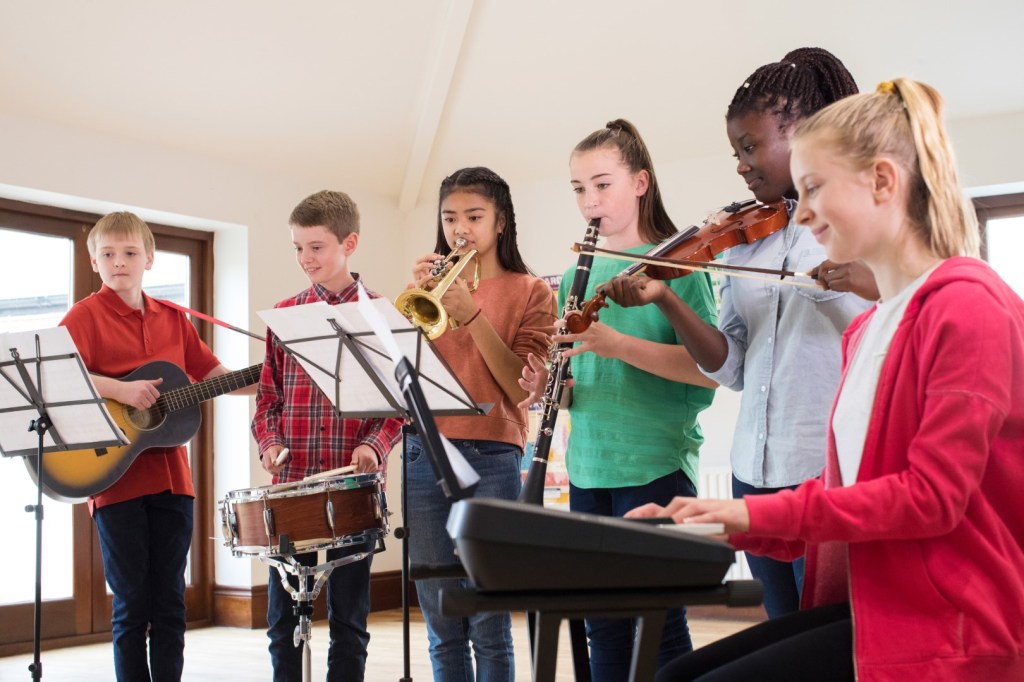
Music-Based Education: Harnessing the Power of Melody for Alternative Learning
Education is a fundamental aspect of human development, shaping our knowledge, skills, and perspectives. While traditional methods have long been the norm in schools worldwide, alternative approaches to education are gaining momentum. Among these innovative approaches is music-based education, harnessing the power of melody to enhance learning experiences.
Music has always played a significant role in human culture and society. It has the ability to evoke emotions, inspire creativity, and foster connections between individuals. Incorporating music into educational settings taps into its unique potential to engage students on multiple levels – cognitive, emotional, and social.
One key benefit of music-based education is its ability to enhance memory retention and recall. Numerous studies have shown that when information is presented through music or rhythmical patterns, learners show improved performance in retaining and retrieving that information compared to traditional teaching methods alone. This phenomenon can be attributed to the way our brains process musical stimuli.
When we listen to music or participate in making it ourselves, various areas of our brain light up simultaneously. Music activates both hemispheres – the left hemisphere responsible for logical thinking and language processing as well as the right hemisphere associated with creative thinking and emotional responses. This cross-brain engagement enhances memory formation by creating multiple pathways for information storage.
Incorporating songs into lessons can make abstract concepts more accessible and memorable for students across various subjects such as mathematics, science, history, languages, and even physical education. For example, teaching multiplication tables through catchy tunes helps children grasp mathematical concepts faster while making it an enjoyable experience.
Similarly effective are mnemonic devices set to melodies since they tap into rhythm-driven recall mechanisms within our brains. Remember learning about planets? Chances are you still remember “My Very Eager Mother Just Served Us Nine Pizzas” from your school days – a simple phrase representing Mercury Venus Earth Mars Jupiter Saturn Uranus Neptune Pluto (before it was reclassified). The melody acts as a hook, making the information stick in our minds for years to come.
Beyond memory enhancement, music-based education also fosters creativity and critical thinking skills. Learning to play an instrument or sing requires problem-solving, coordination, and discipline. It encourages students to think outside the box, experiment with different sounds, and explore their own artistic expressions.
Playing music in groups further promotes collaboration and teamwork. Ensemble performances teach students how to listen attentively, follow cues from others, synchronize their actions, and work towards a common goal. These skills are transferable to various real-life situations where effective communication and cooperation are essential.
Moreover, music-based education nurtures emotional intelligence by allowing students to express themselves through melodies and lyrics. Music is a universal language that transcends cultural barriers; it enables individuals to connect with others on an emotional level even when words fail. Encouraging students to create their own songs or interpret existing ones helps them develop empathy, self-awareness, and the ability to understand diverse perspectives.
Music therapy has been widely recognized for its positive effects on mental health as well. Engaging in musical activities has been shown to reduce stress levels while boosting mood and overall well-being. Incorporating these elements into educational settings can create a positive learning environment where students feel supported emotionally while developing academically.
In recent years, numerous alternative schools have adopted music-based education as a core component of their curriculum. These schools prioritize creative expression alongside academic achievement since they recognize the holistic benefits of incorporating arts into traditional subjects such as mathematics or science. By doing so, they provide students with unique opportunities for growth that extend beyond standardized testing metrics.
While implementing music-based education may require additional resources such as instruments or specialized instructors, the benefits far outweigh the costs involved – both financially and pedagogically. Providing access to musical experiences equips learners with lifelong skills that will serve them well in various aspects of life.
In conclusion, music-based education offers a powerful and effective alternative approach to traditional teaching methods. By tapping into the inherent qualities of music – its ability to enhance memory, foster creativity and critical thinking, promote emotional intelligence, and provide therapeutic benefits – educators can create engaging learning experiences for students across different subjects. As we continue to explore innovative avenues in education, incorporating music as a valuable tool holds immense potential in shaping the future of alternative schooling.
 Alternative Amie
Leave a comment