The Role of Mentors in Apprenticeship Programs
In the world of alternative schooling and education, apprenticeship programs have gained significant recognition for their effectiveness in preparing individuals for successful careers. These programs provide a valuable opportunity for students to gain practical experience and learn essential skills directly from industry professionals. While the curriculum and training materials are crucial elements of an apprenticeship program, mentors play a vital role in ensuring the success and growth of these aspiring professionals.
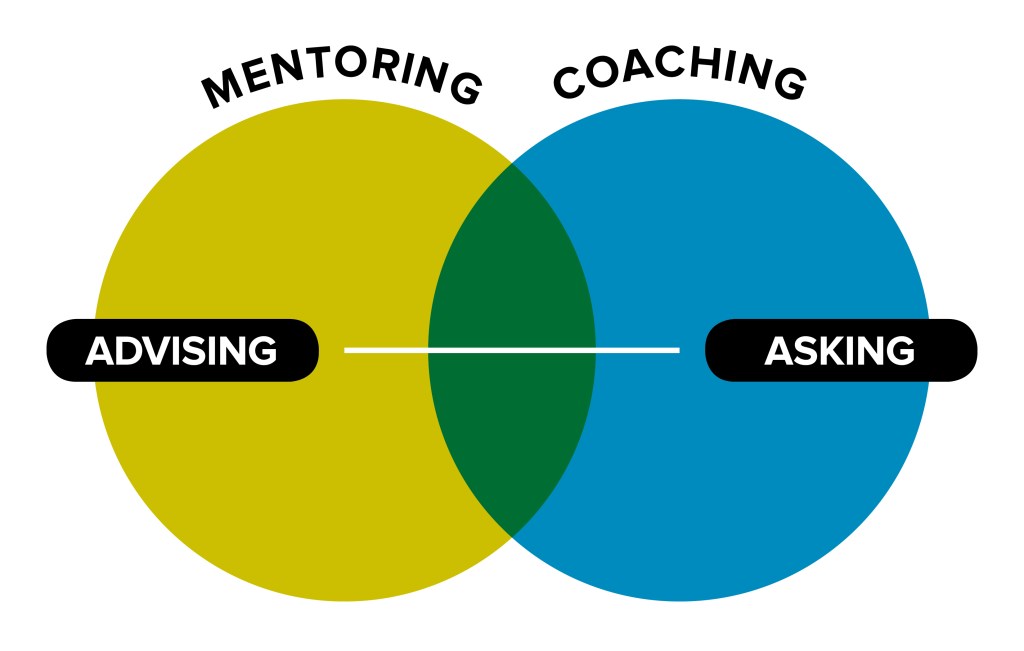
Mentors are experienced individuals who guide and support apprentices throughout their learning journey. They possess a wealth of knowledge and expertise in their respective fields, enabling them to impart invaluable wisdom to their mentees. The mentor’s primary responsibility is to provide guidance, offer constructive feedback, and help shape the apprentice’s professional development.
One of the key benefits that mentors bring to an apprenticeship program is personalized instruction. Unlike traditional classroom settings, where students often receive generalized teaching, mentors tailor their guidance according to each apprentice’s unique abilities, goals, and weaknesses. This individualized attention allows apprentices to progress at their own pace while honing specific skills necessary for success in their chosen field.
Mentors also serve as role models for aspiring professionals. Through direct interaction with seasoned experts who have achieved success in similar career paths or industries, apprentices gain insights into what it takes to excel professionally. Mentors share not only technical knowledge but also important soft skills such as communication techniques, problem-solving strategies, time management tips, and effective networking practices – all vital components needed for long-term career growth.
Furthermore, mentors facilitate hands-on learning experiences by providing real-world context to theoretical concepts taught during classroom sessions or workshops. By working side-by-side with mentors on actual projects or assignments within a professional environment or workplace simulation setting (when applicable), apprentices can bridge the gap between theory and practice effectively.
Another significant advantage offered by having mentors involved in an apprenticeship program is access to industry networks. Established professionals often have extensive networks of contacts, which can greatly benefit apprentices. Mentors can introduce their mentees to key individuals within the industry, provide recommendations or references when necessary, and even help them secure internships or employment opportunities after completing the program.
In addition to providing technical expertise and professional guidance, mentors also play an essential role in boosting apprentices’ confidence and motivation. Learning a new skill set or embarking on a career path can be challenging and overwhelming at times. However, mentors offer encouragement and support during difficult moments, reminding apprentices of their potential and helping them overcome obstacles they may encounter along the way.
The mentor-apprentice relationship is not limited to the duration of the program but often extends beyond it. Many apprentices develop lifelong connections with their mentors, staying in touch long after completing their training. These ongoing relationships serve as valuable resources for continued advice, guidance, and networking opportunities throughout an apprentice’s entire career.
In conclusion, mentors are integral components of successful apprenticeship programs in alternative schooling and education settings. Their knowledge-sharing abilities combined with personalized instruction create an environment that fosters growth for aspiring professionals. By serving as role models, offering real-world context to theoretical concepts, providing access to industry networks, boosting confidence levels, and establishing lasting connections with their mentees – mentors contribute significantly to shaping well-prepared individuals who are ready to thrive in their chosen careers.
 Alternative Amie
Leave a comment