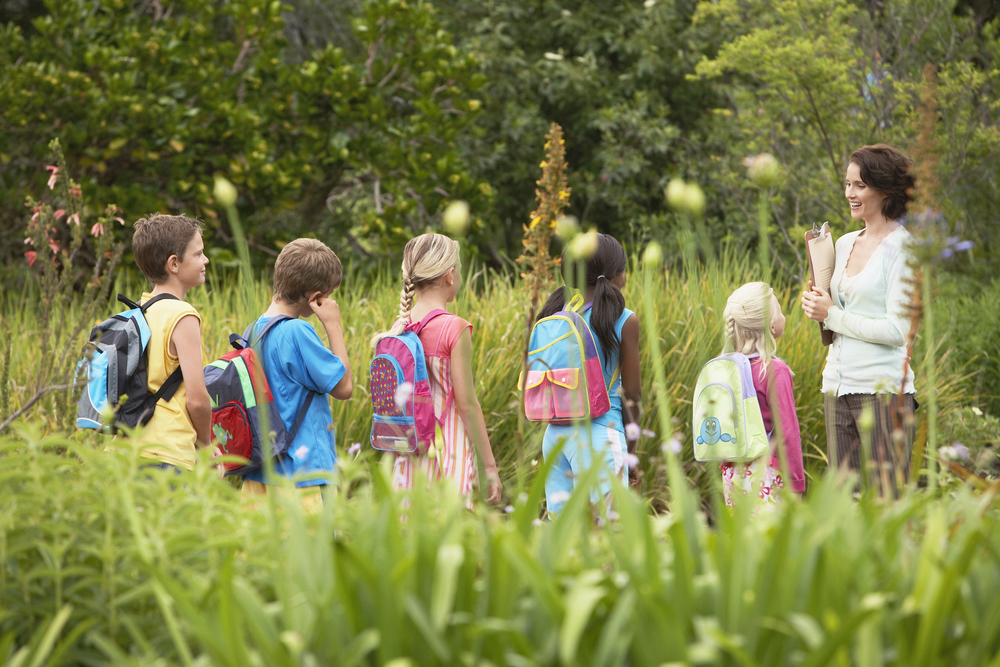
Field Trips: Expanding Horizons and Enhancing Education
Education is not confined to the four walls of a classroom. In fact, some of the most valuable learning experiences occur outside those walls, in the form of field trips. Field trips provide students with unique opportunities to explore new environments, engage in hands-on activities, and connect theoretical knowledge to real-world applications. They offer a break from routine and allow students to see the world through different lenses.
Traditional schooling often focuses on textbook learning and lectures, which can sometimes feel disconnected from practical application. By contrast, field trips bridge this gap by immersing students in interactive and experiential learning environments. Whether it’s visiting a museum, exploring nature parks or participating in community service projects, field trips have numerous benefits that contribute to a well-rounded education.
Firstly, field trips foster curiosity and spark interest in various subjects by providing direct exposure to new places, cultures, people, and ideas. For instance, visiting an art museum exposes students to diverse forms of artistic expression across different periods and cultures. This not only broadens their understanding but also ignites their creativity as they witness the power of human imagination translated into visual representations.
Similarly, science-focused field trips such as visits to botanical gardens or zoos encourage students’ fascination with nature while teaching them about biodiversity conservation efforts. The opportunity to observe animals up close or take part in hands-on experiments helps reinforce scientific concepts learned in class while reinforcing an appreciation for environmental sustainability.
Moreover, historical sites like castles or ancient ruins transport students back in time as they learn about significant events that shaped our world today. Walking through history helps them grasp abstract concepts more effectively than reading about them alone ever could.
Secondly, field trips promote social development by fostering teamwork skills and encouraging peer interaction outside traditional classroom settings. Students get opportunities to collaborate with classmates on group projects or share insights during guided tours led by experts from various fields.
Furthermore, field trips enhance communication skills as students engage in conversations with guides or interact with locals during community visits. Such interactions help them build confidence and develop empathy as they experience different perspectives and cultures firsthand.
Field trips also provide a chance for students to bond with their teachers in a more relaxed setting. This informal environment facilitates open discussions, allowing students to seek guidance beyond the confines of classroom time constraints.
Beyond academic benefits, field trips serve as powerful tools for personal growth. By stepping outside their comfort zones, students learn resilience and adaptability while navigating unfamiliar environments. They develop critical thinking skills by actively problem-solving during tasks assigned on these excursions.
Moreover, field trips cultivate independence by giving students opportunities to make decisions and navigate through new experiences without constant adult supervision. Encountering real-life challenges helps them become self-reliant individuals who can think on their feet and adapt to unforeseen circumstances.
Additionally, field trips often incorporate volunteering or community service elements that foster a sense of civic responsibility among students. Participating in activities such as cleaning up beaches or serving meals at shelters exposes them to social issues faced by communities around them. These experiences instill values like compassion, empathy, and the importance of giving back to society.
Despite the numerous advantages of field trips, some argue that logistical challenges may deter schools from organizing them regularly. Concerns about costs, safety measures, transportation arrangements, and curriculum integration are valid but not insurmountable obstacles.
Collaboration between schools and local organizations can help alleviate financial burdens associated with field trip expenses. Seeking partnerships with museums or non-profit organizations allows schools to access discounts or funding options specifically earmarked for educational outings.
Ensuring student safety is paramount when planning any excursion away from school grounds; however, careful risk assessments can minimize potential hazards significantly. Schools should collaborate closely with venue organizers to establish clear guidelines regarding supervision ratios and emergency procedures before embarking on any trip.
Integrating field trips into the curriculum can be achieved by aligning them with specific learning objectives. By identifying relevant connections to classroom topics, teachers can design pre and post-trip activities that encourage students to reflect on their experiences and tie them back to academic content.
Moreover, leveraging technology can enhance field trip experiences even further. Virtual reality or augmented reality simulations provide immersive alternatives when physical visits are not possible due to logistical constraints or accessibility issues.
In conclusion, field trips play a vital role in enriching education beyond textbooks and classrooms. They offer students the chance to explore new environments, engage in hands-on activities, and connect theoretical knowledge with real-world applications. Field trips foster curiosity, promote social development, enhance communication skills, and contribute to personal growth while instilling values like empathy and civic responsibility.
While logistical challenges may exist when organizing field trips, they should not overshadow the immense benefits they bring. It is essential for schools to recognize the value of these experiential learning opportunities and work towards incorporating more field trips into their educational programs. By doing so, we ensure that our students’ horizons are expanded far beyond what traditional schooling alone can achieve.
 Alternative Amie
Leave a comment