Establishing Group Norms and Expectations: A Foundation for Success in Alternative Education
In any educational setting, establishing group norms and expectations is crucial for creating a positive learning environment. This is especially true in alternative schooling and education, where the focus often extends beyond traditional academic subjects to include social-emotional development, experiential learning, and community engagement. By clearly defining group norms and expectations, educators can foster a sense of belonging, promote mutual respect, enhance communication skills, and ultimately maximize the potential for success among students.
Group norms are shared understandings or rules that guide behavior within a group. These norms can vary depending on the specific goals and values of each alternative education program but should always revolve around promoting collaboration, inclusivity, personal growth, creativity, critical thinking skills, and empathy.
To establish effective group norms in an alternative education setting:
1. Involve all stakeholders: When developing group norms and expectations, it is essential to involve students themselves as well as teachers/administrators and parents/guardians. Conduct discussions or meetings where everyone has an opportunity to voice their opinions on what they believe will create a conducive learning environment.
2. Create a safe space for open communication: Encourage honest dialogue by emphasizing active listening skills without judgment or interruption. Students need to feel comfortable expressing their thoughts and concerns openly while respecting diverse perspectives.
3. Define core values together: Identify the core values that underline your alternative education program’s mission statement or philosophy with input from all stakeholders involved. These core values will form the basis of your group norms.
4. Keep it simple: Establishing too many rules can overwhelm students; hence it is recommended to keep your list concise yet comprehensive enough to cover key aspects of respectful behavior within the community.
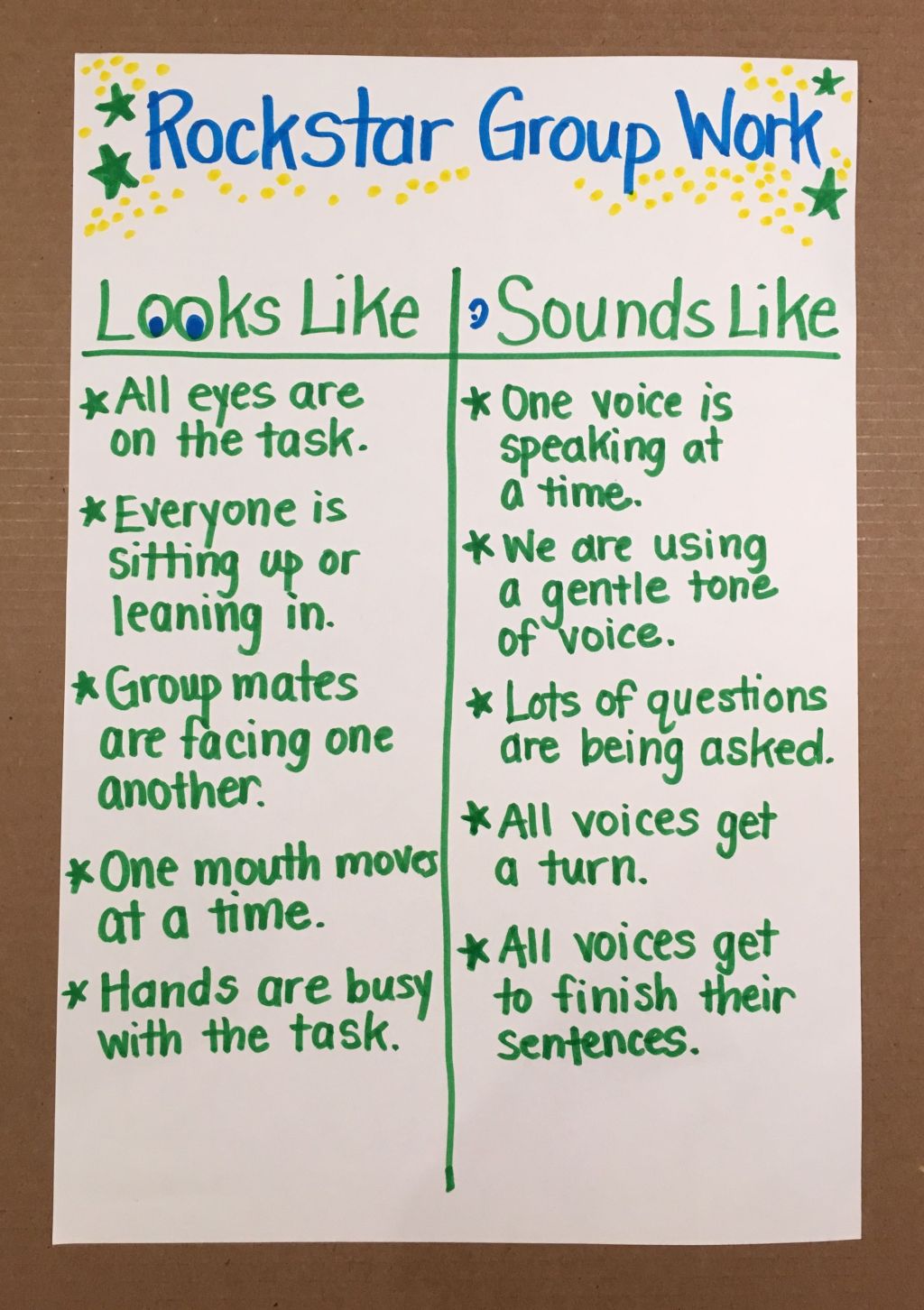
5. Make it visual: Display the agreed-upon group norms prominently within classrooms/shared spaces so that they serve as constant reminders for students when interacting with one another.
6. Practice what you preach: Teachers and administrators should model the desired behavior, showcasing how to respect others’ ideas, resolve conflicts peacefully, and maintain a positive attitude. Consistency between words and actions is crucial for students to understand the importance of adhering to group norms.
7. Encourage self-reflection: Regularly provide opportunities for students to reflect on their behavior and its alignment with established group norms. Journaling prompts or class discussions can help facilitate this process, enabling students to develop self-awareness and take responsibility for their actions.
8. Foster accountability: Create systems that hold individuals accountable when they fail to meet the agreed-upon group norms. However, it is important that these consequences are based on restorative practices rather than punitive measures. Focus on repairing harm caused rather than assigning blame.
9. Adjust as needed: Group norms should be seen as living documents that can evolve over time in response to changing dynamics within the community or feedback from stakeholders. Regularly revisit them during designated reflection periods or at the beginning of each academic year.
10. Celebrate successes: Acknowledge and celebrate instances where students successfully uphold group norms or demonstrate exemplary behavior aligned with program values. This positive reinforcement helps reinforce desired conduct among individuals while motivating others to follow suit.
By establishing clear group norms and expectations in alternative education settings, educators lay a foundation that encourages collaboration, empathy, critical thinking skills, personal growth, and inclusivity among students. When all members of an educational community are committed to upholding these shared values, powerful learning experiences can take place beyond traditional academic subjects alone.
In conclusion, alternative schooling and education programs have unique goals that often extend beyond traditional academics by focusing on holistic development. By establishing group norms rooted in core values such as collaboration, inclusivity, personal growth, creativity, critical thinking skills,and empathy – educators create an environment conducive to success amongst their students.The involvement of all stakeholders ensures diverse perspectives are considered when creating these guidelines. By fostering open communication, providing visual reminders, and consistently modeling the desired behavior, students are more likely to internalize and adhere to these norms. Encouraging self-reflection and accountability, while celebrating successes, further reinforces the importance of upholding group norms within an alternative education community.
 Alternative Amie
Leave a comment