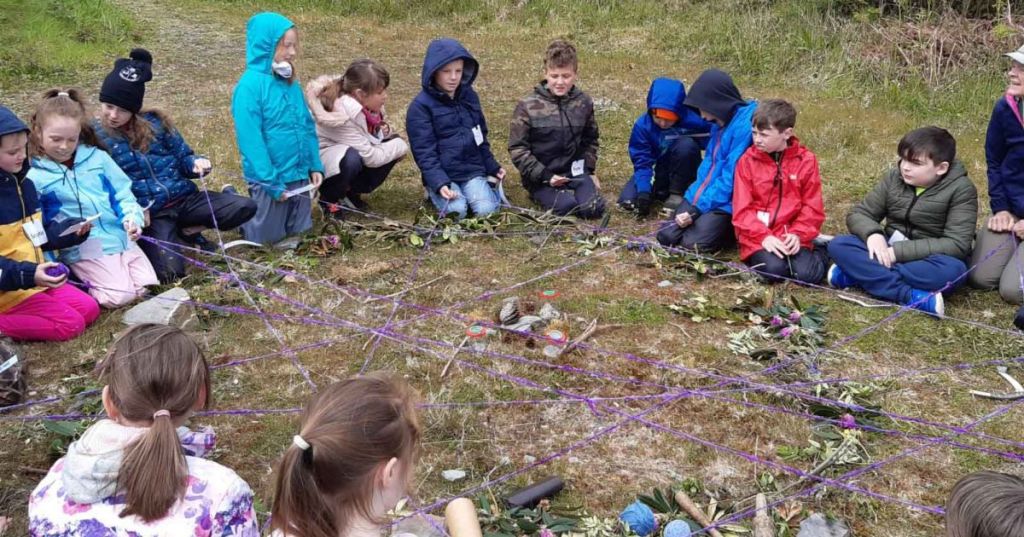
Donations and Sponsorships for Forest School Initiatives: Empowering Alternative Education
Introduction:
Forest schools have gained popularity in recent years as a unique approach to education that emphasizes outdoor learning experiences. These schools provide children with the opportunity to explore nature, develop self-confidence, and foster a deep connection with the environment. However, running forest school initiatives can be financially challenging due to the need for specialized equipment, trained staff, and maintenance of outdoor spaces. Donations and sponsorships play a crucial role in ensuring these programs thrive and continue to make a positive impact on children’s lives.
The Importance of Donations:
Donations are an integral part of sustaining forest school initiatives. They enable program organizers to purchase necessary resources such as outdoor gear, tools, educational materials, first aid kits, shelters, and more. Additionally, donations help cover administration costs associated with training staff members who specialize in outdoor education methodologies.
By donating towards forest school initiatives, individuals or organizations directly contribute to providing enriching experiences for children who may not have access to traditional schooling environments or who benefit from alternative approaches. These contributions empower students by fostering their curiosity about nature while also instilling important life skills like problem-solving abilities and environmental stewardship.
Types of Donations:
There are various forms of donations that can support forest school initiatives. Monetary contributions are always valuable since they allow organizations to allocate funds where they’re needed most urgently. Financial support could be allocated toward purchasing new equipment or maintaining existing infrastructure such as trails or shelters.
In-kind donations also play an essential role in supporting forest schools’ needs. Individuals or businesses can donate supplies like gardening tools, art materials (such as paints or brushes), camping gear (tents or sleeping bags), field guides for identifying plants and animals, sustainable building materials (wooden pallets or recycled lumber), among others.
Furthermore, volunteers offering their time can make significant contributions by leading workshops related to nature exploration or teaching specific skills like fire building, foraging, or woodworking. These contributions not only benefit the students but also create a sense of community involvement and shared responsibility.
Sponsorships: A Win-Win Partnership:
Sponsorships provide an opportunity for businesses and organizations to support forest school initiatives while simultaneously enhancing their corporate social responsibility (CSR) profile. Partnering with a forest school allows sponsors to align themselves with an educational approach that promotes environmental values, sustainability, and holistic child development.
Sponsors can contribute by financing specific programs or activities within the forest school curriculum. For example, they may fund outdoor expeditions to ecologically diverse locations, workshops on sustainable farming practices, or hands-on experiences related to wildlife conservation. In return for their support, sponsors gain visibility through branding opportunities at events or on promotional materials associated with the forest school.
Benefits of Donations and Sponsorships:
Donations and sponsorships have far-reaching benefits beyond financial assistance. By supporting forest schools, donors actively participate in shaping alternative education models that prioritize experiential learning and foster environmental consciousness among young learners.
These contributions help bridge gaps in traditional education systems by providing children with an opportunity to develop resilience, creativity, problem-solving skills, teamwork abilities as well as emotional intelligence through nature-based experiences. Forest schools empower students by nurturing a deep connection with the natural world while promoting physical activity and mental well-being.
Additionally, donations and sponsorships contribute towards creating a more inclusive society where all children have access to quality education regardless of their socio-economic background or geographic location. They open doors for underserved communities who may otherwise lack resources needed to establish such enriching programs independently.
Conclusion:
Donations and sponsorships are vital lifelines for forest school initiatives worldwide. These generous acts enable these unique educational institutions to provide transformative experiences for children while fostering lifelong connections with nature.
By donating funds or offering in-kind contributions like supplies or volunteer time, individuals play a significant role in empowering alternative education models that prioritize outdoor learning, holistic child development, and environmental stewardship.
In partnering with forest schools through sponsorships, businesses and organizations demonstrate a commitment to corporate social responsibility while gaining visibility and promoting values aligned with sustainability and nature conservation.
Ultimately, the support received from donations and sponsorships ensures that forest school initiatives continue to flourish, making a lasting impact on children’s lives by nurturing their love for the natural world and equipping them with vital life skills.
 Alternative Amie
Leave a comment