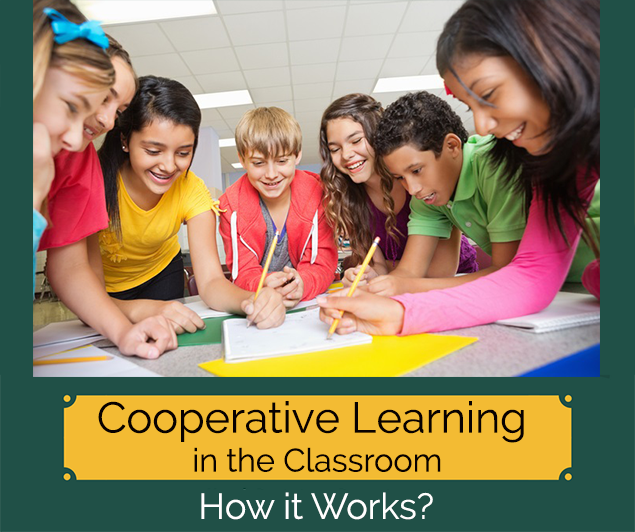
Cooperative Learning: Fostering Collaboration and Empowering Students
In today’s rapidly changing world, education systems are constantly evolving to meet the needs of a diverse student population. Traditional teaching methods that focus on individual achievement and competition have been challenged by alternative approaches that prioritize collaboration and cooperation. Cooperative learning is one such approach that has gained popularity in recent years for its ability to foster teamwork, critical thinking, and social skills among students.
What is Cooperative Learning?
Cooperative learning is an instructional strategy where small groups of students work together toward a common goal or task. Unlike traditional classroom settings where students work independently or compete against each other, cooperative learning encourages participants to actively engage with their peers, share ideas, solve problems collectively, and support each other’s learning.
The concept of cooperative learning traces back several decades when researchers began exploring the benefits of group-based activities in educational settings. In his groundbreaking study published in 1978, psychologist Robert Slavin highlighted the positive impact of cooperative learning on academic achievement compared to traditional instruction methods. Since then, numerous studies have reinforced these findings across different grade levels and subjects.
Key Elements of Cooperative Learning
To effectively implement cooperative learning in classrooms, certain key elements should be present:
1. Positive Interdependence: Each member of the group must understand that their success depends on the success of their peers. This sense of shared responsibility encourages cooperation rather than competition among students.
2. Individual Accountability: While working collaboratively as a team is essential, individual accountability ensures that every student actively participates and contributes to the group’s progress. Assigning specific roles within the team can help promote accountability.
3. Face-to-Face Interaction: Regular face-to-face communication allows students to exchange ideas, clarify concepts, provide feedback to one another while building essential social skills such as active listening and effective communication.
4. Social Skills Development: Cooperative learning provides an ideal platform for nurturing crucial social skills like empathy, conflict resolution, and respect for diverse perspectives. These skills are essential not only for academic success but also in preparing students for the realities of the professional world.
Benefits of Cooperative Learning
Cooperative learning offers a wide range of benefits to both students and educators:
1. Academic Achievement: Numerous studies have shown that cooperative learning environments lead to improved academic performance across various subjects, including math, science, language arts, and social sciences. Through active engagement with their peers, students gain a deeper understanding of concepts and develop critical thinking skills.
2. Personal Development: Cooperative learning enhances personal development by fostering self-esteem, confidence, and motivation among students. By working collaboratively within a supportive group setting, individuals feel valued and appreciated for their unique contributions.
3. Social Skills Enhancement: In today’s interconnected world, strong social skills are crucial for success beyond academics. Cooperative learning allows students to develop essential interpersonal skills such as teamwork, effective communication, leadership abilities while respecting diverse viewpoints.
4. Increased Engagement: Traditional lectures often fail to capture the attention of all students equally. Cooperative learning actively involves each student in the process through hands-on activities and discussions that promote higher levels of engagement.
5. Improved Problem-Solving Abilities: Working together on complex tasks encourages students to think critically and creatively when faced with challenges or obstacles. By collaborating with their peers in finding solutions, they learn how to approach problems from different angles and consider multiple perspectives.
Implementing Cooperative Learning Practices
To effectively incorporate cooperative learning into classrooms:
1. Design Group Activities: Teachers should carefully plan group activities that align with specific educational goals while considering individual student needs and strengths.
2.Divide Groups Strategically: Create groups based on mixed ability levels or assign roles within groups strategically to foster collaboration among diverse learners rather than creating homogeneous teams.
3.Provide Clear Instructions: Clearly communicate expectations regarding group work processes including roles/responsibilities assigned to each member as well as the objectives of the activity itself
4. Monitor and Assess: Teachers should actively monitor group interactions, provide timely feedback, and assess both individual and group performance to ensure the success of cooperative learning activities.
5. Foster a Supportive Classroom Culture: Encourage open communication, respect for diverse opinions, and a safe space where students feel comfortable expressing their ideas without fear of judgment or criticism.
In conclusion, cooperative learning promotes collaboration, critical thinking, social skills development while enhancing academic achievement. By creating an inclusive classroom environment that values teamwork over competition, educators empower students with the necessary skills to navigate an interconnected world successfully. Through cooperative learning practices, we can foster a generation of lifelong learners who not only excel academically but also make meaningful contributions to society as empathetic and collaborative individuals.
 Alternative Amie
Leave a comment