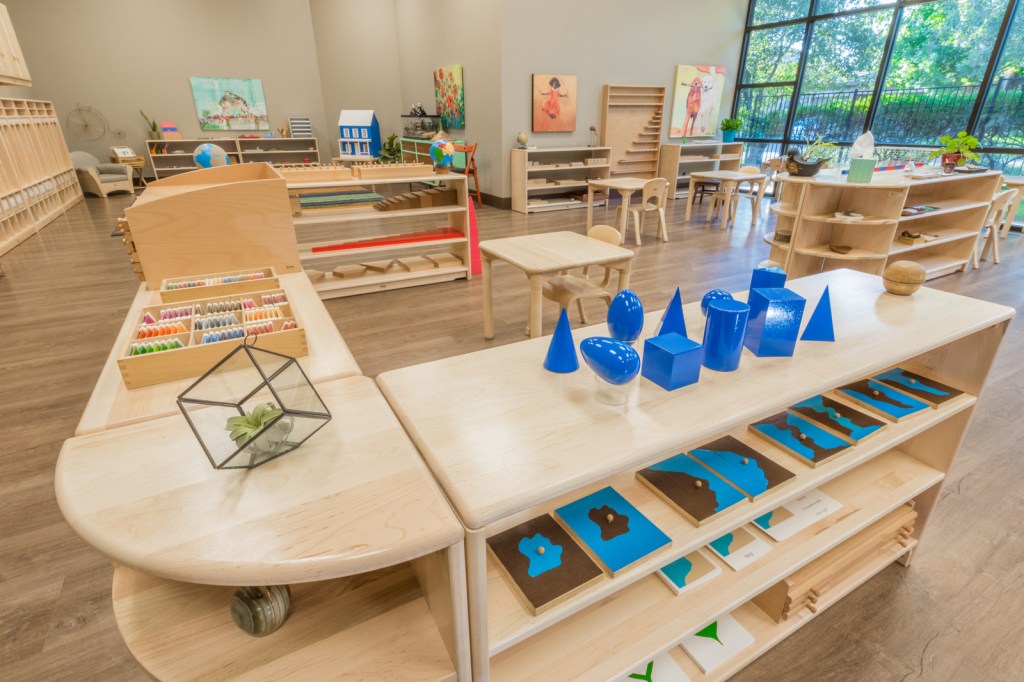
The Montessori Method is an educational approach that was developed by Dr. Maria Montessori in the early 20th century. It is a child-centered method that emphasizes freedom, independence, and self-directed learning. The Montessori Method has gained popularity over the years and is now implemented in schools all around the world. Here are 15 reasons why the Montessori Method is a great alternative to traditional schooling:
1. Child-Centered: One of the key principles of the Montessori Method is that it puts the child at the center of their own education. Children are encouraged to explore their interests and learn at their own pace.
2. Individualized Learning: In a Montessori classroom, each child receives individualized attention and instruction based on their unique needs and abilities.
3. Mixed-Age Grouping: Unlike traditional classrooms where children are grouped solely based on age, Montessori classrooms have mixed-age groups. This allows younger children to learn from older ones and older children to reinforce their knowledge by teaching younger students.
4. Prepared Environment: A Montessori classroom is carefully designed to meet the developmental needs of children at different stages. It includes specially designed materials and activities that promote hands-on learning.
5. Hands-On Learning: The Montessori Method emphasizes experiential learning through hands-on activities rather than passive listening or memorization.
6. Independence: Children in a Montessori classroom are encouraged to take responsibility for their own learning journey, fostering a sense of independence and self-motivation.
7. Self-Directed Learning: Instead of following a set curriculum, students in a Montessori environment choose their own work based on personal interest and curiosity.
8. Respect for Each Child’s Pace: The flexible nature of the Montessori Method allows each child to progress at his or her own pace without being limited by standardized benchmarks or grade levels.
9. Focus on Practical Life Skills: Montessori education places a strong emphasis on developing practical life skills, such as cooking, cleaning, and self-care, which prepare children for real-world challenges.
10. Respect for Nature: Montessori promotes environmental awareness and fosters a deep respect for nature through activities like gardening and recycling.
11. Emphasis on Social Development: Collaboration and social interaction are integral parts of the Montessori Method. Children learn to work together, resolve conflicts peacefully, and develop empathy towards others.
12. Multi-Sensory Learning: The Montessori classroom encourages learning through all five senses, allowing children to fully engage with their environment.
13. No Homework or Grades: In the Montessori Method, there is no homework or traditional grading system. Instead, the focus is on intrinsic motivation and self-assessment.
14. Cultivating Creativity: By providing open-ended materials and encouraging exploration, the Montessori Method nurtures creativity in children.
15. Lifelong Love of Learning: Ultimately, the goal of the Montessori Method is to instill a lifelong love of learning in each child by fostering curiosity, independence, and a growth mindset.
In conclusion, the Montessori Method offers numerous benefits that make it an excellent alternative to traditional schooling. Its child-centered approach promotes individualized learning experiences while nurturing independence and self-motivation in students. With its emphasis on hands-on activities, practical life skills development, social interaction opportunities,and focus on holistic growth,theMontessori Method helps cultivate well-rounded individuals who are equipped with essential skills for success in both academic pursuitsandlife beyond school walls
 Alternative Amie
Leave a comment