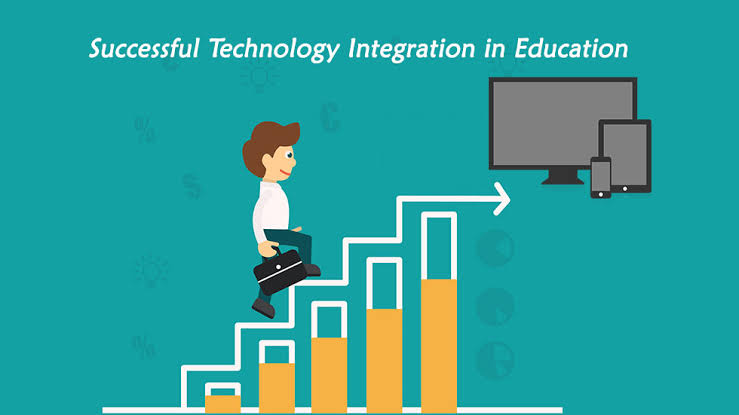
Unschooling, a form of alternative education that emphasizes self-directed learning and personal interests, has gained popularity in recent years. One of the key aspects of unschooling is the integration of technology into the learning process. With access to a wide range of digital resources, unschoolers can explore their passions and delve deeper into subjects that interest them.
Technology can be used as a tool for research, communication, and creative expression. Unschoolers can utilize online platforms to connect with experts in various fields or join virtual communities where they can collaborate on projects and share ideas. The internet also provides a wealth of educational materials such as e-books, videos, and interactive websites that cater to different learning styles.
While technology plays an important role in unschooling, it is equally essential for children to have hands-on experiences in nature. Nature-based learning allows unschoolers to develop an appreciation for the environment while fostering creativity and critical thinking skills. Spending time outdoors promotes physical activity and encourages exploration, observation, and problem-solving.
Socialization is often a concern raised by critics of unschooling. However, unschooled children have ample opportunities to interact with others both within their communities and through organized activities such as sports teams or clubs. Additionally, technology enables connections with like-minded individuals across geographical boundaries.
Project-based learning is another integral component of unschooling. By engaging in real-world projects that align with their interests or goals, children develop practical skills such as research techniques, time management abilities, teamwork skills, and problem-solving strategies.
Self-directed learning lies at the heart of unschooling philosophy. Children are encouraged to take ownership over their education by pursuing topics they are passionate about at their own pace. This approach fosters intrinsic motivation while promoting lifelong learning habits.
Mindfulness practices are often incorporated into the daily routines of unschooled families. Techniques such as meditation or yoga help children develop focus and self-awareness while reducing stress and anxiety.
Unschooling communities provide a support system for families who have chosen this educational path. These communities offer opportunities for socialization, resource sharing, and organized activities such as field trips or workshops.
Alternative assessment methods are utilized in unschooling to evaluate learning progress. Instead of traditional tests and grades, parents may assess their child’s understanding through discussions, presentations, portfolios, or projects.
Life skills development is an important aspect of unschooling. Children have the freedom to explore practical skills such as cooking, gardening, budgeting, or entrepreneurship that will benefit them in their future endeavors.
Travel-based education is highly valued in unschooling as it provides unique learning experiences outside the confines of a classroom. By immersing themselves in different cultures and environments, children gain a broader perspective on the world around them.
Arts integration allows unschooled children to express themselves creatively while exploring various art forms such as music, painting, dance, or theater. The arts not only foster self-expression but also enhance cognitive abilities and emotional intelligence.
Entrepreneurship education is often emphasized in unschooling to encourage children to develop an entrepreneurial mindset from an early age. Unschoolers can explore business ideas or participate in entrepreneurial programs that help them acquire essential skills for future success.
Outdoor education plays a significant role in unschooling by providing hands-on learning experiences outside traditional classroom settings. Whether it’s studying ecosystems or engaging in outdoor sports and recreational activities, nature becomes an integral part of the curriculum.
Multicultural education is embraced in unschooling to promote diversity awareness and cultural sensitivity among children. Through exposure to different customs and traditions, unschooled learners develop empathy and respect for others’ perspectives.
Unschooling can be tailored to meet the needs of children with special needs by accommodating individual learning styles and pacing instruction accordingly. With personalized support systems in place, these students can thrive academically while developing independence and self-confidence.
Gifted children can benefit greatly from unschooling as it allows them to explore their interests and talents at an advanced level. Unschooling provides the flexibility for these learners to delve deeply into subjects of interest and engage in challenging projects or pursuits.
Parental involvement is crucial in unschooling. Parents act as facilitators, guiding their children’s learning process, providing resources, and connecting them with mentors or experts in various fields.
Balancing structure and freedom is a challenge faced by unschoolers. While unschooling promotes self-directed learning, some degree of structure may be necessary to ensure progress and accountability. Finding the right balance between autonomy and guidance is essential.
Mentors play a significant role in the unschooled child’s education. Mentors provide guidance, support, expertise, and opportunities for growth beyond what parents can offer alone.
Supporting self-motivation is key in unschooling. By allowing children to pursue their passions freely, they develop intrinsic motivation that propels them forward on their educational journey.
There are numerous resources available for unschooled families including books, websites, online courses, co-ops, local community centers, libraries, museums, and more. These resources provide inspiration as well as practical tools for implementing an effective unschooling approach.
Advocacy for unschoolers’ rights involves raising awareness about alternative forms of education and promoting acceptance within larger educational systems. Advocates work towards ensuring that legal protections are in place to support families who choose this path.
Unschoolers face challenges when transitioning into traditional educational systems due to differences in teaching methods or assessment approaches. Supportive environments that recognize prior learning experiences can help ease this transition.
Homeschool co-ops provide opportunities for socialization among like-minded families while also offering additional resources such as group activities or specialized classes that complement the unschooled curriculum.
Alternative approaches to math education can be adopted within the context of unschooling, focusing on real-world applications and problem-solving rather than traditional rote memorization. Hands-on activities, games, and online math programs can be useful tools for exploring mathematical concepts.
Literature-based learning is often emphasized in unschooling as it allows children to explore various genres and develop critical thinking skills through analyzing and discussing literature.
Incorporating technology into the unschooled curriculum enhances learning experiences by providing access to a wide range of resources, interactive platforms, and virtual communities that foster collaboration and exploration.
Play is an essential part of unschooling as it promotes creativity, social skills development, problem-solving abilities, and overall well-being. Unstructured playtime allows children to follow their interests freely while engaging in imaginative play or discovery-based activities.
Unschooled teens transitioning to higher education or career paths may face unique challenges such as demonstrating prior learning experiences or meeting specific academic requirements. Support from mentors or educational consultants can help them navigate these transitions successfully.
 Alternative Amie
Leave a comment