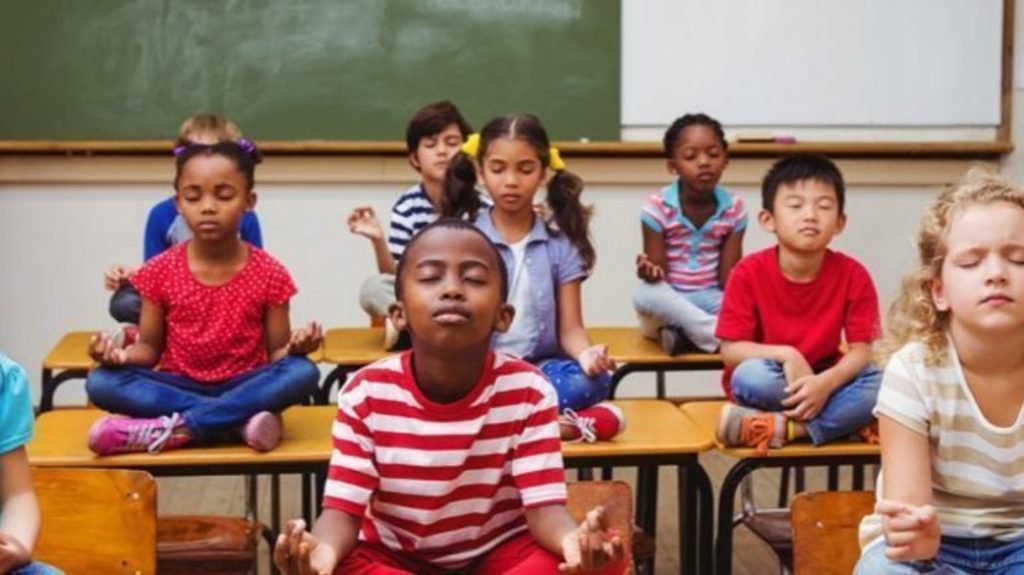
Mindfulness and Meditation Practices in the Classroom: Fostering a Calm and Focused Learning Environment
In recent years, there has been a growing recognition of the importance of mental well-being in schools. As educators strive to create inclusive and nurturing learning environments, they are increasingly turning to mindfulness and meditation practices. These techniques have shown great potential in promoting emotional regulation, reducing stress, improving focus, and enhancing overall academic performance. In this article, we will explore the benefits of incorporating mindfulness and meditation practices into the classroom.
Mindfulness can be defined as a state of non-judgmental awareness of one’s thoughts, feelings, bodily sensations, and surrounding environment. By teaching students to be present in the moment without getting caught up in distractions or judgments, mindfulness cultivates a sense of calmness and clarity. Research suggests that regular mindfulness practice can lead to improved attention span and enhanced cognitive abilities.
One effective way to introduce mindfulness into the classroom is through guided meditation sessions. These sessions can range from a few minutes at the beginning or end of class to more extended periods during designated “mindful breaks.” During these moments of quiet reflection, students are encouraged to close their eyes, focus on their breath or engage with specific visualizations designed to promote relaxation.
Additionally, incorporating mindful activities throughout daily lessons can help students develop greater self-awareness. For example, teachers might encourage students to take deep breaths before answering questions or engaging them in body scans where they pay attention to physical sensations within their bodies.
The benefits extend beyond individual student well-being; research indicates that implementing mindfulness practices also contributes positively to classroom dynamics as a whole. It fosters empathy among peers by encouraging active listening skills and compassion towards one another’s experiences. Cultivating an atmosphere grounded in understanding helps build stronger relationships between teachers and students while also strengthening peer connections.
Moreover, introducing mindfulness practices early on equips students with valuable tools for managing stress both inside and outside the classroom. Stress is a common issue among young learners, impacting their ability to concentrate and learn effectively. By teaching students techniques to calm their minds and bodies, educators empower them with lifelong coping mechanisms.
While mindfulness and meditation practices can be beneficial for all students, they are particularly advantageous for those with learning difficulties or attention-related challenges. Research has shown that these practices can improve self-regulation skills and reduce symptoms of anxiety or ADHD.
Implementing mindfulness into the curriculum does not require extensive training or resources. Many schools have found success by partnering with local mindfulness practitioners who can provide guidance and support to both teachers and students. Additionally, there are numerous online resources available, such as guided meditation apps or websites that offer lesson plans tailored to different age groups.
In conclusion, incorporating mindfulness and meditation practices in the classroom offers a multitude of benefits for both students’ individual well-being and overall class dynamics. By fostering a calm and focused learning environment through regular practice, educators equip their students with essential life skills while enhancing academic performance. As we continue to prioritize mental health in education settings, it is crucial to explore alternative approaches like mindfulness that promote holistic student development.
 Alternative Amie
Leave a comment