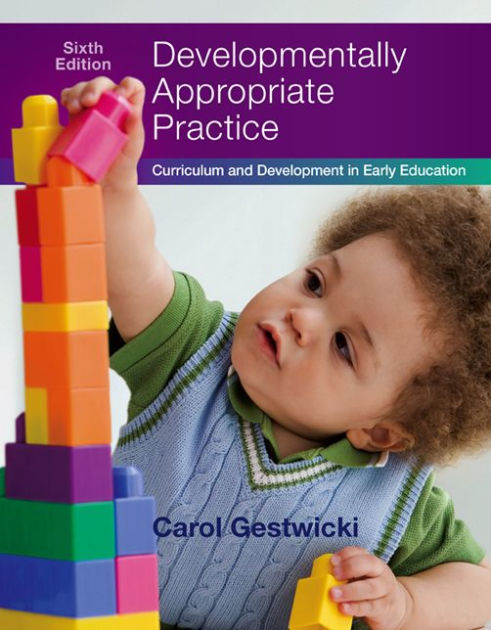
Developmentally Appropriate Curriculum: Nurturing Growth and Learning
In the realm of education, one size does not fit all. Each child is unique, with their own set of interests, abilities, and developmental needs. As educators and parents, it is crucial to recognize these individual differences and provide a curriculum that aligns with each child’s stage of development. This approach is known as developmentally appropriate curriculum.
What Is Developmentally Appropriate Curriculum?
Developmentally appropriate curriculum (DAC) refers to an educational framework that takes into account the physical, social-emotional, cognitive, and linguistic characteristics of children at different stages of growth. It emphasizes tailoring teaching methods and content to suit each child’s age, abilities, interests, cultural background, and learning style.
The core principle behind DAC is that learning should be meaningful and relevant for children while promoting their overall well-being. A developmentally appropriate curriculum recognizes that children progress through predictable stages of development but may vary in their pace or preferences.
Key Elements of Developmentally Appropriate Curriculum
1. Understanding Child Development: To create an effective DAC program, it is essential to have a deep understanding of child development theories like Piaget’s cognitive stages or Erikson’s psychosocial stages. This knowledge helps educators design activities that are challenging yet achievable for students at various developmental levels.
2. Individualized Instruction: DAC acknowledges the diverse learning needs within a classroom setting by providing instruction tailored to each student’s abilities and interests. Teachers differentiate instruction based on students’ readiness levels rather than relying solely on chronological age benchmarks.
3. Hands-On Experiences: Children learn best through hands-on experiences where they can explore materials firsthand using their senses. In a DAC environment, classrooms are equipped with various manipulatives such as blocks, puzzles, art supplies, nature specimens – encouraging active engagement in the learning process.
4. Play-Based Learning: Play serves as a foundation for young children’s growth across all domains. A developmentally appropriate curriculum integrates play-based learning, allowing children to explore, create, problem-solve, and develop social skills in a natural and enjoyable manner.
5. Authentic Assessment: Instead of relying solely on standardized tests or grades, DAC employs authentic assessment methods that capture a child’s progress holistically. Observations, portfolios, checklists, and conversations with students provide valuable insights into their development while minimizing the stress associated with traditional assessments.
6. Cultural Sensitivity: A DAC program recognizes and values the diverse cultural backgrounds of its students. It incorporates culturally relevant materials, celebrates different traditions and perspectives in its curriculum to foster inclusivity and respect for diversity.
Benefits of Developmentally Appropriate Curriculum
1. Holistic Development: By addressing each aspect of a child’s development – physical, cognitive, social-emotional – DAC helps promote well-rounded growth.
2. Individualized Learning: Students receive instruction tailored to their unique needs and abilities rather than being constrained by rigid grade-level expectations.
3. Motivation for Learning: When children are engaged in activities suited to their developmental stage and interests, they tend to be more motivated to learn.
4. Higher Retention Rates: DAC emphasizes understanding over rote memorization by encouraging critical thinking skills at an age-appropriate level – leading to better retention of knowledge.
5. Positive Social-Emotional Growth: Through play-based interactions within a supportive environment, children develop important social skills such as cooperation, empathy, self-regulation – fostering positive emotional growth.
Challenges in Implementing Developmentally Appropriate Curriculum
While the benefits of implementing a developmentally appropriate curriculum are significant for children’s educational experiences, there are challenges associated with its implementation:
1. Time Constraints: Teachers may find it challenging to individualize instruction for every student due to time constraints imposed by standardized curricula or large class sizes.
2. Assessment Methods: Traditional assessment systems often prioritize quantitative measures over qualitative observations, making it difficult to capture the full range of a child’s abilities and growth.
3. Parental Expectations: Some parents may have preconceived notions about what education should look like, leading to resistance or misunderstandings when DAC practices diverge from traditional approaches.
4. Professional Development: Teachers require ongoing professional development opportunities to deepen their understanding of child development theories and learn strategies for implementing DAC effectively.
Conclusion
A developmentally appropriate curriculum recognizes that children are unique individuals with varying needs, interests, and abilities. By tailoring instruction and learning experiences to meet each child at their developmental stage, educators can foster a love for learning while promoting holistic growth. While challenges exist in implementing DAC fully, the benefits it offers in terms of personalized instruction, motivation for learning, and positive social-emotional growth make it a valuable approach in alternative schooling and education settings.
 Alternative Amie
Leave a comment