Dyslexia Support: Empowering Students for Success
Dyslexia is a learning difference that affects the way individuals process language. It can make reading, writing, and spelling more challenging. However, with the right support and strategies, students with dyslexia can thrive academically and reach their full potential. In this article, we will explore various methods of dyslexia support to help students succeed in alternative schooling and education environments.
1. Multisensory Teaching Approaches:
One effective method of supporting students with dyslexia is through multisensory teaching approaches. These approaches engage multiple senses simultaneously to reinforce learning. For example, teachers may use activities involving touch, sight, hearing, and movement to teach letter-sound correspondence or word recognition skills. By using these interactive techniques, students are better able to internalize information and improve their reading abilities.
2. Assistive Technology:
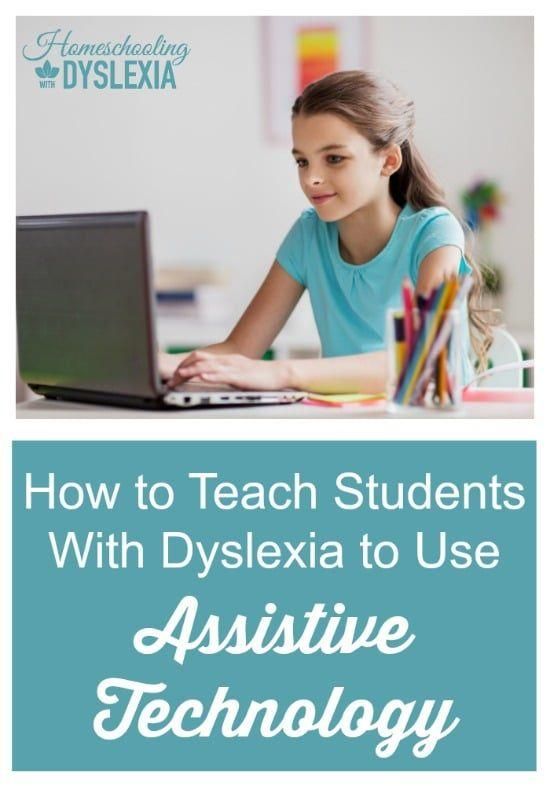
The advancement of technology has provided valuable tools for dyslexic learners. Assistive technology such as text-to-speech software or speech recognition programs can aid in reading comprehension and written expression. Dyslexic students can also benefit from apps or programs designed specifically for improving phonological awareness and decoding skills.
3. Individualized Education Plans (IEPs):
Individualized Education Plans are an essential component of dyslexia support in alternative schooling settings. IEPs outline specific goals tailored to each student’s needs, along with recommended instructional strategies and accommodations necessary for success in the classroom.
4. Peer Support Networks:
Creating peer support networks within alternative schooling environments fosters an inclusive community where dyslexic students feel understood and supported by their peers who share similar challenges. This sense of belonging boosts self-confidence while providing opportunities for collaboration on projects or study groups.
5. Dyslexia Awareness Training:
Educators play a crucial role in supporting dyslexic students effectively; thus, it is important they have a solid understanding of what dyslexia entails. Comprehensive dyslexia awareness training equips teachers with the knowledge and tools necessary to identify, support, and accommodate students with dyslexia effectively.
6. Orton-Gillingham Approach:
The Orton-Gillingham approach is a structured, sequential, and cumulative system for teaching reading and spelling skills. It combines phonics instruction with multisensory techniques to help dyslexic students develop strong language foundations. This approach is widely recognized as one of the most effective methods for supporting individuals with dyslexia.
7. Positive Reinforcement:
Providing positive reinforcement helps build confidence in dyslexic students’ abilities and encourages them to persist despite challenges. Recognizing their achievements, effort, or progress can significantly impact their motivation levels and overall success in alternative schooling environments.
In conclusion, providing comprehensive support for students with dyslexia is essential in alternative schooling settings. By employing multisensory teaching approaches, utilizing assistive technology, implementing individualized education plans (IEPs), fostering peer support networks, conducting dyslexia awareness training for educators, utilizing the Orton-Gillingham approach, and offering positive reinforcement strategies; these learners can overcome obstacles and thrive academically.
 Alternative Amie
Leave a comment