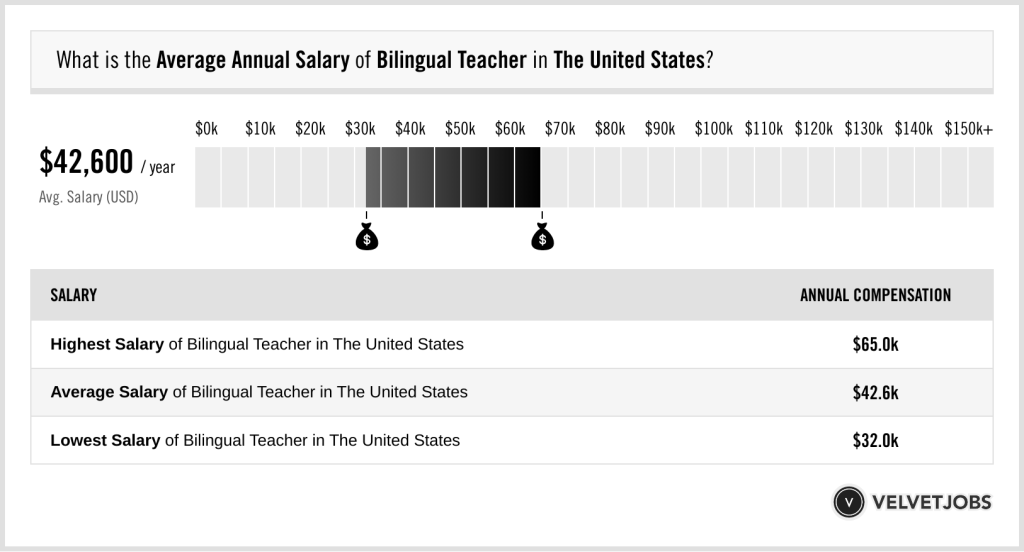
Bilingual Teacher Salaries: The Art of Juggling Languages and Paychecks
As we dive into the world of bilingual education, one cannot overlook the incredible talent and dedication that bilingual teachers bring to the table. These linguistic superheroes possess the unique ability to juggle multiple languages while simultaneously shaping young minds. But have you ever wondered how these language maestros are compensated for their exceptional skills? Brace yourself for a rollercoaster ride through salary negotiations, compensation packages, and some unexpected perks!
Let’s start by addressing the burning question on everyone’s mind: do bilingual teachers earn more than their monolingual counterparts? Well, it depends on various factors such as location, experience, and demand for specific languages. In some cases, schools may offer a modest pay increase for bilingual educators due to their specialized skill set. However, this isn’t always guaranteed.
While salaries vary across different regions and institutions, it is not uncommon for many bilingual teachers to find themselves facing a “language premium.” This means that they might receive additional compensation or bonuses based on their fluency in certain high-demand languages such as Spanish or Mandarin.
But wait! The plot thickens when we consider that not all schools have the same budgetary resources. Some public schools struggle with limited funds when it comes to teacher salaries overall, let alone providing extra incentives for bilingual educators. On the other hand, private institutions tend to be more flexible in offering competitive wages along with attractive benefits packages.
To complicate matters further (because why not?), there’s also an ongoing debate about which subjects deserve higher remuneration within the field of education. While STEM (Science, Technology, Engineering & Mathematics) subjects often steal the spotlight in terms of enticing compensation packages nowadays; arts programs sometimes take a backseat financially-speaking – even if taught bilingually.
Despite these challenges faced by bilingual teachers when it comes to salary negotiations alone doesn’t mean they don’t enjoy other forms of compensation. Many schools recognize the added value that these educators bring to their classrooms and offer various perks to sweeten the deal.
For instance, some bilingual teachers are given opportunities for professional development such as attending language immersion programs abroad or participating in conferences focused on bilingual education. These experiences not only enhance their teaching skills but also provide them with unique cultural insights they can then share with their students.
Beyond professional development, other schools may provide financial support for additional certifications or degrees related to language acquisition and pedagogy. This not only gives teachers a chance to further specialize in their field but also opens doors for career advancement and potentially higher salaries down the line.
Some institutions have even been known to offer housing allowances, transportation stipends, or assistance with relocation costs for bilingual educators who come from overseas. Not only does this make the transition easier for these teachers, but it’s an extra incentive that helps attract talent from around the world.
Another aspect worth mentioning is that being a bilingual teacher often means being part of a vibrant community within the school environment. Bilingual educators often serve as cultural ambassadors, bridging gaps between different communities and promoting diversity within educational settings. This sense of purpose and fulfillment can sometimes outweigh any monetary concerns when choosing this career path.
So while it’s true that bilingual teachers might not always see dollar signs flying left and right during salary negotiations, they do benefit from unique opportunities and perks that enrich both their personal and professional lives. After all, what price can you put on being able to connect with students from diverse backgrounds through shared languages?
In conclusion, although salaries for bilingual teachers may vary depending on location, demand for specific languages, and available resources within institutions; it’s important to remember that compensation extends beyond just numbers on a paycheck. The intangible rewards like professional development opportunities, cultural experiences gained through teaching multiple languages, potential career growth prospects – these are all invaluable gifts bestowed upon those brave enough to take up the mantle of a bilingual educator. So, if you’re considering this path, remember that being paid in smiles and cultural exchange can sometimes be worth more than what meets the eye!
 Alternative Amie
Leave a comment