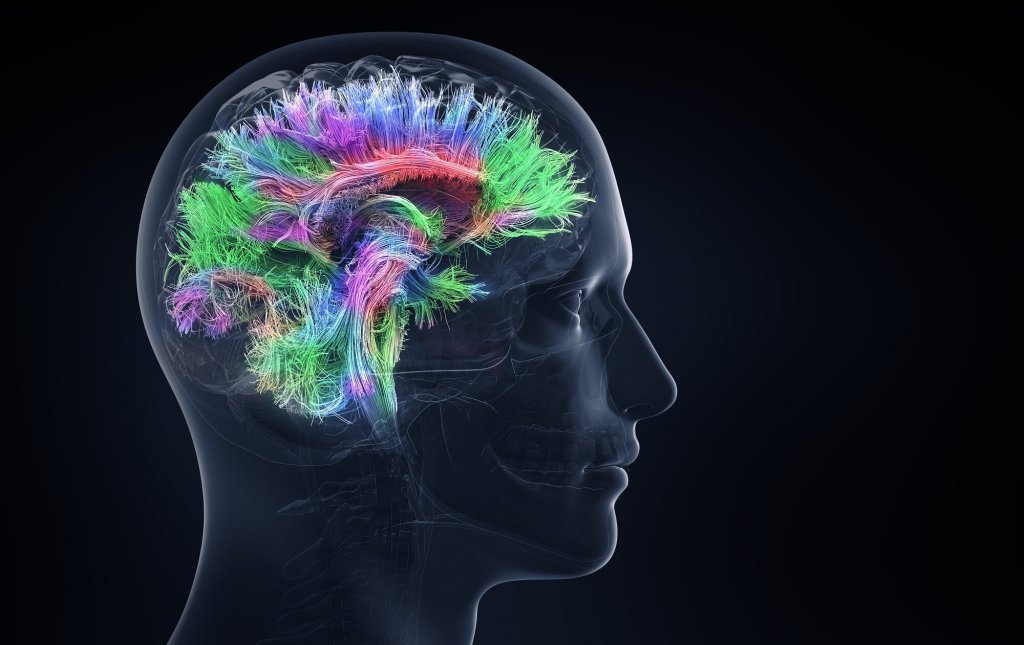
Neuroplasticity: Unlocking the Potential of the Human Brain
In our ever-evolving world, where change is constant and adaptability is key, it becomes increasingly important to understand the concept of neuroplasticity. This remarkable ability of the human brain to reorganize itself and form new neural connections has opened up a realm of possibilities for learning and personal growth. Alternative schooling and education systems have embraced this fascinating phenomenon, recognizing its potential in revolutionizing traditional approaches to teaching and learning.
What is Neuroplasticity?
Neuroplasticity refers to the brain’s capacity to change structurally and functionally as a result of experience or environmental stimuli. Previously, it was believed that once the critical period of brain development had passed, neural pathways became fixed. However, research over the past few decades has shown that this notion is far from accurate.
The brain consists of billions of neurons connected by synapses. These connections are not set in stone; instead, they can be modified based on various factors such as thoughts, emotions, experiences, and even physical changes within the body. When we engage in new activities or learn new skills, our brains establish new pathways or strengthen existing ones.
Types of Neuroplasticity
There are two main types of neuroplasticity: structural plasticity and functional plasticity.
Structural plasticity involves physical changes within the brain’s structure. It includes processes like dendritic branching (the growth of additional branches on nerve cells) or angiogenesis (the formation of new blood vessels). Structural changes can occur over different time frames ranging from minutes to years depending on various factors such as age or intensity/duration of training.
Functional plasticity focuses on how neural circuits become activated or strengthened through specific tasks or mental exercises. This type allows different regions within the brain to take over functions typically performed by damaged areas after injury or disease.
Benefits for Education
Understanding neuroplasticity has tremendous implications for education. By recognizing the brain’s capacity to change and adapt, alternative schooling and education systems can design strategies that facilitate optimal learning experiences for students.
1. Individualized Learning: Neuroplasticity emphasizes the importance of tailoring education to each student’s unique needs. Recognizing that brains have different capacities and strengths allows educators to create personalized learning plans, ensuring students reach their full potential.
2. Growth Mindset: Embracing neuroplasticity encourages adopting a growth mindset within educational environments. This mindset believes in the power of effort and perseverance, emphasizing that intelligence is not fixed but can be developed through practice and dedication.
3. Experiential Learning: Neuroplasticity supports hands-on, experiential learning methods where students engage actively with their environment. Through real-life experiences, students form new connections between concepts, promoting deeper understanding and retention of knowledge.
4. Multisensory Approach: Engaging multiple senses during learning enhances neuroplasticity by activating more neural pathways simultaneously. Alternative schools often incorporate multisensory approaches such as incorporating movement or tactile materials into lessons to optimize learning outcomes.
5. Emotional Well-being: Emotional states significantly impact neuroplasticity; positive emotions promote enhanced cognitive flexibility and creativity while reducing stress levels which hinder effective learning processes. Schools focusing on emotional well-being create an environment conducive to optimal neuroplastic changes in the brain.
6. Lifelong Learning: The discovery of neuroplasticity reinforces the idea that it is never too late to learn something new or develop new skills at any stage in life—a belief strongly held by alternative schooling systems aimed at lifelong learners.
Challenges
While understanding the concept of neuroplasticity offers immense benefits for alternative schooling and education systems, there are also challenges associated with its implementation:
1. Time Constraints: Creating personalized learning plans tailored to individual students’ needs can be time-consuming for educators who may already face numerous demands.
2. Limited Resources: Alternative schools may face resource constraints, making it challenging to implement multisensory approaches or provide individualized attention.
3. Changing Mindsets: Embracing neuroplasticity requires a shift in mindset for both educators and students. Breaking away from traditional notions of fixed intelligence can be a slow and gradual process.
Conclusion
Neuroplasticity has revolutionized our understanding of the human brain’s capabilities and its potential for growth and development throughout life. By recognizing the brain’s ability to rewire itself based on experiences, alternative schooling and education systems have been able to design innovative learning strategies that optimize student engagement, personal growth, and overall academic success. As researchers continue to unravel the mysteries of neuroplasticity, we are likely to witness further advancements in education that harness the full potential of this remarkable phenomenon.
 Alternative Amie
Leave a comment