Montessori Philosophy and Principles Explained
The Montessori method of education is an approach that emphasizes independence, freedom within limits, and respect for a child’s natural psychological development. Developed by Dr. Maria Montessori in the early 1900s, this philosophy has had a profound impact on alternative schooling and education.
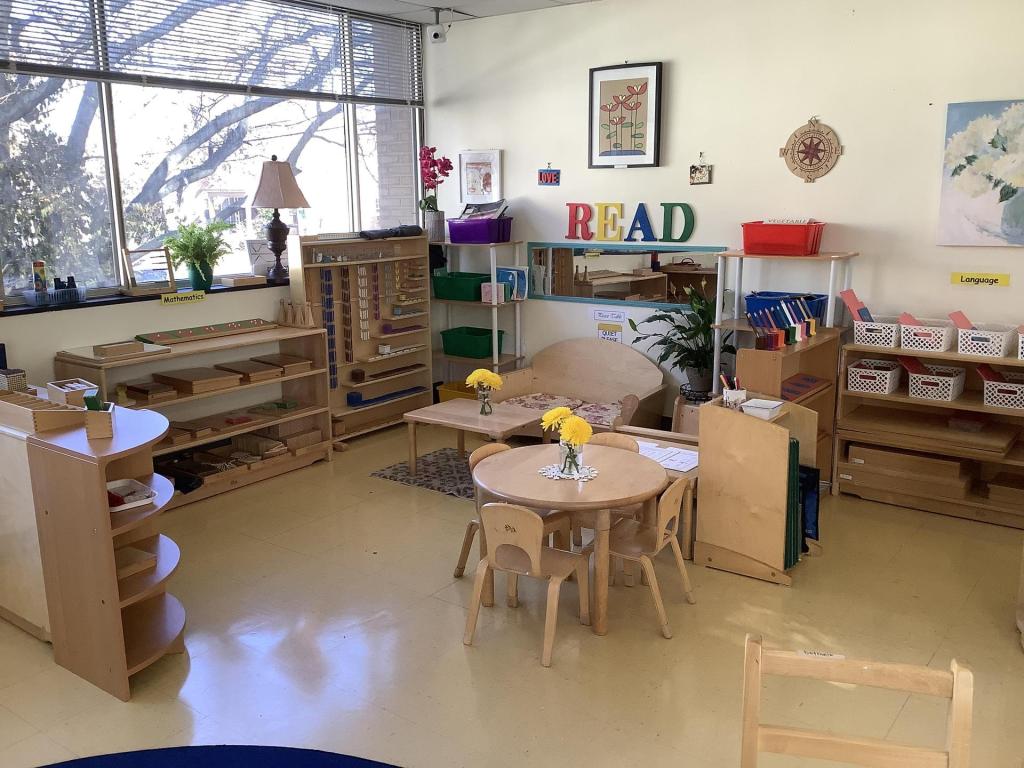
One of the key principles of Montessori education is the belief in the importance of creating a prepared environment. In a Montessori classroom, everything is carefully designed to meet the needs and interests of the children. The furniture is child-sized, materials are neatly organized on low shelves, and there are designated areas for different activities such as reading, writing, math, science, arts, and practical life skills.
Another fundamental principle of Montessori education is the emphasis on hands-on learning through manipulative materials. These materials are specifically designed to engage children’s senses and promote exploration and discovery. For example, in math lessons, children use colorful beads to learn concepts such as addition or subtraction. Through these tangible experiences with concrete materials, abstract ideas become more understandable.
Furthermore,Montessori classrooms encourage mixed-age groups where children can learn from each other. Younger children observe older ones engaging with complex tasks while older students reinforce their knowledge by teaching younger peers. This dynamic allows for collaborative learning environments where social interactions play an essential role in developing empathy and fostering cooperation.
In line with its focus on individualized learning experiences,Montessori educators believe in following each child’s unique development pace.These professionals act as guides rather than traditional teachers.They closely observe student progress,making adjustments based on individual needs.This personalized approach ensures that every child receives adequate support,enabling them to reach their full potential at their own rhythm.
Additionally,the concept of uninterrupted work periods forms an integral part of Montessori philosophy.Instead of structured blocks,namely subjects separated by predetermined time slots,a typical day consists mostlyof long stretches of uninterrupted time for children to engage with activities that interest them.The freedom to choose their work and the ability to concentrate on it without interruption encourages a deep level of engagement and fosters a love for learning.
In conclusion, Montessori education is a holistic approach that emphasizes independence, hands-on learning, mixed-age groups, individualized instruction, and uninterrupted work periods. These principles are designed to cultivate independent thinkers who are capable of making meaningful contributions to society. By embracing these ideas and incorporating them into alternative schooling and education systems, we can provide children with an environment where they can thrive academically, emotionally, and socially.
 Alternative Amie
Leave a comment