Alternative Schooling and Education: A Fun and Quirky Guide
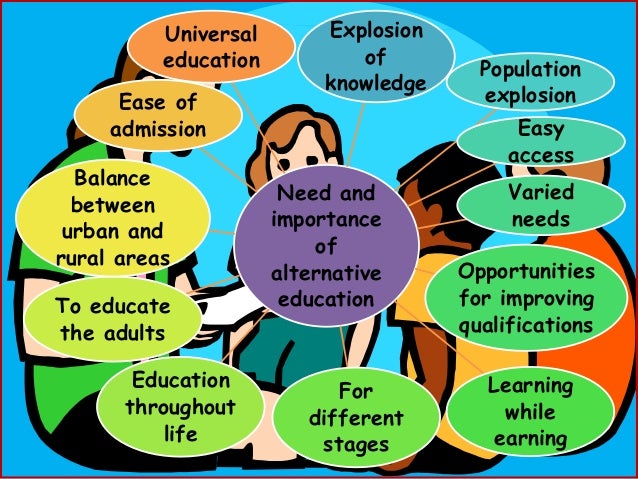
Education doesn’t have to be boring! In fact, it can be downright exciting and unconventional. That’s where alternative schooling and education come in. These unique approaches to learning challenge traditional methods and breathe new life into the classroom. So, put on your thinking caps and get ready to explore some of the most fascinating alternatives to mainstream education.
1. Project-based learning:
Imagine a world where textbooks take a backseat, and hands-on projects become the driving force behind education. Project-based learning encourages students to dive deep into real-world problems, working collaboratively to find innovative solutions. From building robots to designing sustainable cities, this approach fosters creativity, critical thinking, and problem-solving skills.
2. Unschooling:
Who needs a formal curriculum when you can let curiosity guide your educational journey? Unschooling allows students the freedom to pursue their passions at their own pace. Whether it’s exploring nature or starting a business, unschoolers embrace self-directed learning with open arms.
3. Montessori education:
In a Montessori classroom, children are like little explorers navigating their way through a carefully prepared environment filled with sensory materials and engaging activities. This child-centered approach promotes independence, respect for others, and a love for lifelong learning.
4. Waldorf education:
If you’ve ever wondered what it would be like if fairies taught math or gnomes taught science – look no further than Waldorf education! With an emphasis on holistic development through arts-based activities such as painting, music, gardening, and storytelling; Waldorf schools create enchanting environments that stimulate imagination while nurturing academic growth.
5. Reggio Emilia approach:
Prepare yourself for an explosion of creativity! The Reggio Emilia approach places great importance on student-led investigations driven by their interests within collaborative settings known as “atelier.” Through artful expression using various mediums, children develop communication skills, problem-solving abilities, and a profound appreciation for beauty.
6. Experiential learning:
Why read about something in a textbook when you can experience it firsthand? Experiential learning takes education out of the classroom and into the real world. Whether it’s visiting historical sites or conducting science experiments in the field, students are actively engaged in hands-on experiences that make knowledge come alive.
7. Outdoor education:
Fresh air, sunshine, and plenty of adventures await in outdoor education programs. These schools utilize nature as their classroom, allowing students to connect with the natural world while developing resilience, teamwork, and an understanding of environmental stewardship.
8. Place-based education:
Who says learning has to be disconnected from our surroundings? Place-based education immerses students in their local community or environment by integrating relevant content into everyday lessons. By emphasizing connections between academic subjects and real-life situations, this approach fosters a sense of belonging and encourages active citizenship.
9. Self-directed learning:
In self-directed learning environments like Sudbury schools or self-paced online programs; students take charge of their own educational journey. They set goals, manage their time independently, and learn at their own pace – all essential skills for success beyond the classroom.
10. Cooperative learning:
Two heads are better than one! Cooperative learning brings students together to work collaboratively on projects or assignments where each member plays an integral role within a group dynamic. This approach nurtures social skills such as communication, empathy, leadership qualities while fostering critical thinking through shared decision-making processes.
11. Gamification in education:
Learning doesn’t have to feel like a chore – it can be downright fun! Gamification incorporates game elements into educational activities to increase engagement and motivation among learners. From digital quizzes to interactive simulations – get ready for some serious playtime!
12. Maker education and STEAM learning:
Calling all inventors and creators! Maker education and STEAM learning combine science, technology, engineering, arts, and mathematics to encourage hands-on tinkering. Students become problem solvers as they design and build their own projects using tools like 3D printers or coding software.
13. Nature-based learning:
In nature-based learning programs, the great outdoors becomes a living classroom where students explore ecological systems, engage with wildlife, and develop a deep appreciation for the natural world. From forest schools to outdoor expeditions – it’s time to trade textbooks for trees!
14. Social-emotional learning (SEL):
Education is not just about academic success; it’s also about personal growth and emotional well-being. Social-emotional learning focuses on developing skills such as self-awareness, empathy, resilience, and responsible decision-making. By nurturing emotional intelligence alongside academic achievement; students are better equipped to navigate life’s challenges.
15. Mindfulness in education:
Take a deep breath in…and out! Mindfulness practices have found their way into schools to help students cultivate focus, reduce stress levels, improve self-regulation skills while fostering compassion towards themselves and others.
16. Culturally responsive teaching and learning:
Promoting diversity is essential in today’s interconnected world! Culturally responsive teaching ensures that all students’ backgrounds are recognized and respected within the curriculum. This approach celebrates different cultures while providing an inclusive educational experience for everyone.
17.Community-based learning:
Why limit education to four walls when there’s a whole community waiting outside? Community-based learning connects classrooms with local organizations or businesses through internships or service-learning projects. By engaging with real-world issues within their communities; students gain practical skills while making a positive impact around them.
18.Service-learning:
Do good while you learn! Service-learning integrates community service into the curriculum by combining hands-on experiences with reflection activities that connect back to academic goals. Whether it’s volunteering at local shelters or organizing food drives; this approach fosters civic responsibility alongside academic growth.
19. Global citizenship education:
In a world that’s becoming increasingly interconnected, global citizenship education prepares students to tackle global challenges while promoting cultural understanding and empathy. By exploring different perspectives, engaging in cross-cultural communication, and taking part in international projects; young learners become responsible citizens of the world.
20. Entrepreneurship education:
Who says you have to wait until college or adulthood to start your own business? Entrepreneurship education equips students with the skills and mindset needed to identify opportunities, take risks, think creatively, and turn their ideas into reality. From designing business plans to launching products – this approach empowers young minds with an entrepreneurial spirit.
21.Arts integration in the curriculum:
Let creativity take center stage! Arts integration weaves visual arts, music, dance, or drama throughout the curriculum; making learning a multi-sensory experience that stimulates imagination while deepening understanding across subjects.
22.Personalized learning:
No two learners are alike! Personalized learning tailors educational experiences to meet individual needs and interests while leveraging technology for adaptive instruction. With personalized goals and flexible pathways – students can thrive at their own pace.
23.Technological advancements in alternative schooling:
Alternative schooling isn’t left behind when it comes to embracing technological advancements. Virtual classrooms bring diverse learners together from around the globe while online platforms offer interactive lessons tailored for each student’s unique abilities.
24.Homeschooling support networks and resources:
Homeschooling doesn’t mean being alone on an island! Homeschooling support networks provide valuable connections with other families following similar paths along with resources like curricula recommendations or co-op programs where parents can collaborate on teaching duties.
25.Multicultural education in alternative schools:
Celebrating diversity is a priority within alternative schools! Multicultural education aims to foster inclusivity by incorporating diverse perspectives into the curriculum; highlighting underrepresented voices while fostering respect for all cultures.
26.Critical thinking and problem-solving skills development:
Move over rote memorization, critical thinking is here to stay! Alternative schooling prioritizes the development of these essential skills through a variety of methods such as inquiry-based learning or Socratic discussions.
27.Environmental sustainability education:
Sustainability isn’t just a buzzword – it’s a way of life! Environmental sustainability education instills in students an understanding of ecological systems, conservation practices, and responsible citizenship towards our planet. From recycling initiatives to organic gardening; alternative schools lead the charge in creating environmentally conscious individuals.
28.Gender-inclusive and LGBTQ+ affirming approaches to schooling:
Everyone deserves an educational environment that embraces their identity! Gender-inclusive and LGBTQ+ affirming approaches create safe spaces where all students can thrive academically while being respected for who they are.
In conclusion, alternative schooling and education offer a refreshing departure from traditional methods by embracing creativity, personalization, and real-world connections. Whether it’s project-based learning or mindfulness practices – these approaches empower learners to become active participants in their own educational journeys. So why settle for ordinary when you can explore the extraordinary world of alternative schooling?
 Alternative Amie
Leave a comment