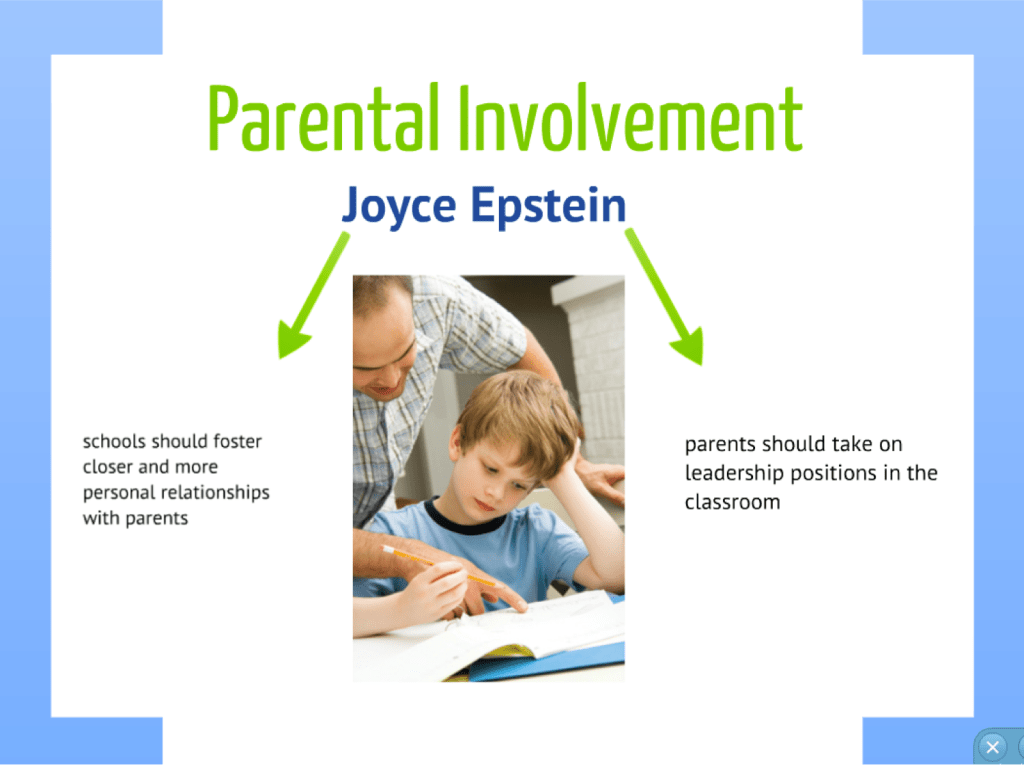
Parent involvement in education is a crucial aspect of a child’s academic success. Research has consistently shown that when parents actively participate in their child’s education, it leads to improved academic performance, increased motivation, and better social-emotional development. In alternative schooling and education settings, where unconventional approaches are adopted to meet the unique needs of students, parent involvement becomes even more significant.
One of the key advantages of alternative schooling is its emphasis on fostering a collaborative relationship between parents and educators. Unlike traditional schools where parents may have limited interaction with teachers, alternative schools often encourage regular communication and collaboration between parents and educators. This open line of communication allows parents to stay informed about their child’s progress, challenges faced, and any adjustments made in the curriculum or teaching methods.
Active participation can take various forms depending on the specific school or program. Parents may be invited to attend parent-teacher conferences, workshops, or information sessions where they learn about the educational philosophy and practices employed by the school. These gatherings provide an opportunity for parents to ask questions, voice concerns or suggestions for improvement.
In some alternative schools, parental involvement extends beyond simply attending meetings – parents are encouraged to actively participate in decision-making processes. They may serve on advisory boards or committees that contribute to shaping policies and strategies within the school community. By involving parents in such important decisions related to curriculum development or school governance, these institutions ensure that parental perspectives are taken into account.
Alternative schools also recognize that learning doesn’t stop at the classroom door; it continues at home through daily parental engagement. Parents can support their child’s learning by creating a conducive environment at home that promotes exploration, critical thinking skills, creativity, and independent learning habits. They can supplement classroom instruction with enriching activities tailored to their child’s interests and abilities.
Additionally, alternative schooling often requires greater flexibility from both students’ families as well as educators themselves. Parental involvement plays an essential role in adapting schedules and accommodating individual needs. Parents and educators work together to find the right balance that allows students to pursue their passions, engage in experiential learning, and have access to resources beyond the traditional classroom walls.
In conclusion, parent involvement in alternative schooling is integral to its success. By actively participating in their child’s education, parents can contribute to a supportive and enriching learning environment both inside and outside of school. This collaboration between parents and educators fosters a sense of community, enhances student motivation, and promotes holistic development. Ultimately, when parents are involved in alternative schooling, it benefits not only individual students but also strengthens the overall educational experience for everyone involved.
 Alternative Amie
Leave a comment