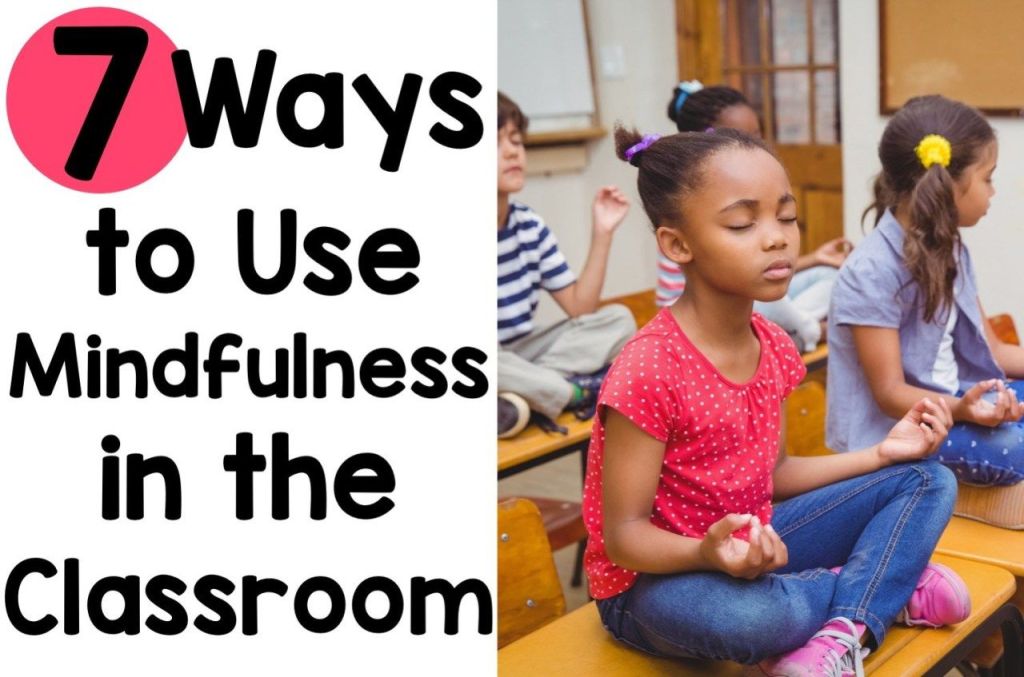
In recent years, there has been a growing recognition of the importance of mindfulness practices not only for adults but also for children. The concept of mindfulness, which involves being fully present and aware in the current moment, is now making its way into classrooms around the world. Many educators are incorporating mindfulness techniques into their daily routines to help students manage stress, enhance focus and concentration, improve emotional regulation, and promote overall well-being.
Mindfulness in the classroom can take many forms. It can be as simple as starting each day with a few minutes of quiet reflection or deep breathing exercises. Some teachers incorporate guided meditation sessions or use apps designed specifically for classroom use. Whatever form it takes, the goal is to create an environment where students can find inner calm amidst the chaos of school life.
One notable benefit of introducing mindfulness practices in schools is that it helps students develop self-awareness and emotional intelligence. By learning to pay attention to their thoughts and feelings without judgment, children gain a deeper understanding of themselves and others. This increased awareness allows them to better regulate their emotions and make more thoughtful choices when faced with challenging situations.
Moreover, research shows that regular mindfulness practice can have positive effects on cognitive functions such as attention span and working memory. In today’s fast-paced world filled with distractions from technology and social media, cultivating focused attention has become crucial for academic success. By incorporating short bursts of mindful activities throughout the day – like taking a moment to listen to sounds in nature or do a body scan – educators are helping students strengthen their ability to concentrate on tasks at hand.
Another significant advantage of integrating mindfulness into education is its potential impact on reducing stress levels among both students and teachers alike. School environments can be highly stressful due to academic pressures, peer relationships, family issues, or external expectations. Mindfulness provides individuals with effective tools to manage stress by teaching them how to respond rather than react impulsively when faced with challenging circumstances.
Furthermore, practicing mindfulness fosters a sense of empathy and compassion among students. By encouraging children to observe their own thoughts and feelings without judgment, they develop a greater understanding and acceptance of themselves. This self-compassion naturally extends to others as they learn to recognize the shared human experience. This compassionate mindset can lead to more positive relationships, improved communication, and reduced instances of bullying or conflict within the school community.
In addition, mindfulness practices can help create an inclusive classroom environment that values diversity and promotes equity. Mindfulness teaches students to be present with each other, listen actively, and appreciate different perspectives without judgment. These skills contribute to building a more empathetic and accepting community where all voices are heard and respected.
Implementing mindfulness in schools does not require any major curriculum changes or expensive resources. Teachers can start by incorporating simple activities like mindful breathing exercises into existing routines or dedicating a few minutes each day for reflection time. As educators become familiar with mindfulness techniques themselves through professional development opportunities, they can then introduce more structured practices such as guided meditations or yoga sessions.
It is important for schools considering implementing mindfulness programs to provide adequate training for teachers so they feel confident in leading these activities effectively. Additionally, ongoing support from administrators is essential to ensure the integration of mindfulness practices throughout the school culture.
While some critics may argue that introducing mindfulness in schools takes away valuable instructional time or conflicts with religious beliefs, research has consistently shown its benefits on student well-being, academic performance, and overall classroom climate. Mindfulness is not about religion but rather about developing essential life skills that will benefit children long after their school years are over.
In conclusion, integrating mindfulness into classrooms offers numerous benefits for both students and educators alike. From improved self-awareness and emotional regulation to enhanced focus and reduced stress levels – there are countless reasons why embracing this practice is advantageous for alternative schooling environments. By creating space for quiet reflection amidst the chaos of daily life in schools today, we are setting the foundation for happier, healthier, and more compassionate individuals who are better equipped to navigate the challenges of our modern world.
 Alternative Amie
Leave a comment