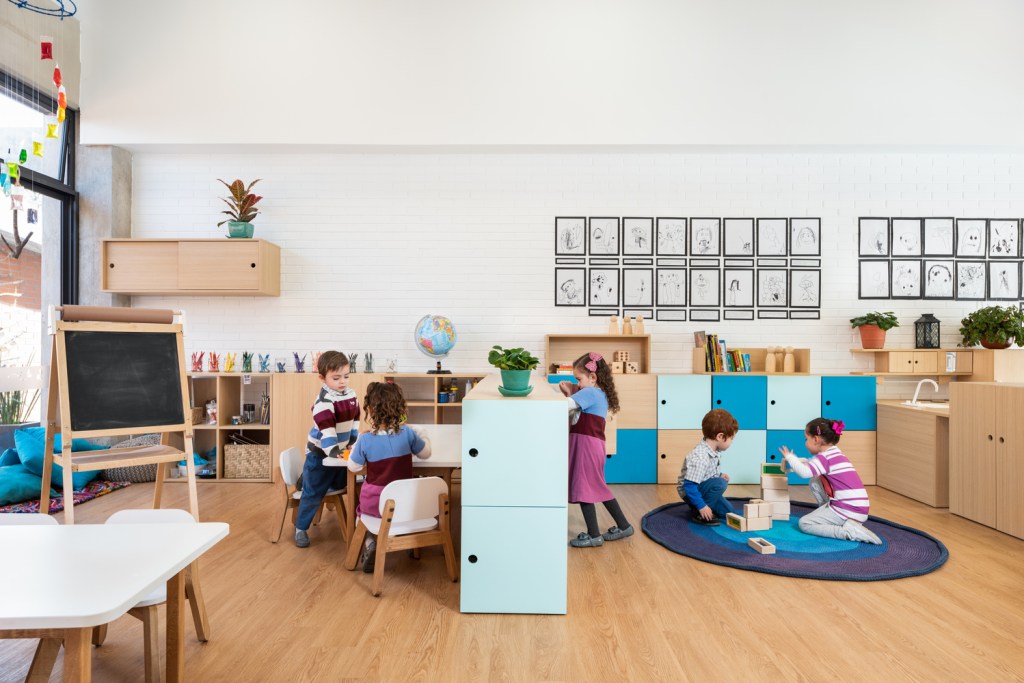
The Reggio Emilia approach is a progressive educational philosophy that originated in the town of Reggio Emilia, Italy. It emphasizes the importance of intercultural understanding and diversity as key components of early childhood education. In this post, we will explore how the Reggio Emilia approach fosters an inclusive environment for children to develop their understanding and appreciation of different cultures.
One of the fundamental principles of the Reggio Emilia approach is the belief that children are competent learners who construct knowledge through meaningful interactions with their environment and others. This principle forms the basis for promoting intercultural understanding within the classroom.
In a Reggio-inspired setting, educators create opportunities for children to engage in authentic experiences that celebrate diversity. They incorporate materials, resources, and activities from various cultural backgrounds to encourage children’s exploration and appreciation of different traditions, languages, and customs.
Teachers play a crucial role in facilitating intercultural understanding by intentionally selecting literature that reflects diverse perspectives and experiences. By exposing children to stories from around the world, they broaden their horizons and cultivate empathy towards people from different cultures.
Another way in which intercultural understanding is nurtured in a Reggio-inspired environment is through project work. Projects are open-ended inquiries based on children’s interests where they collaborate with peers, teachers, families, and community members to investigate topics deeply.
When embarking on projects related to culture or diversity, educators encourage dialogue among children about their own cultural backgrounds while also inviting them to share what they learn about other cultures through research or guest speakers’ visits. Through these conversations, children gain insights into each other’s heritage while recognizing similarities and appreciating differences.
Furthermore, art plays a significant role in promoting intercultural understanding within the Reggio Emilia approach. Artistic expressions provide an avenue for children to communicate ideas without language barriers while celebrating diverse aesthetic traditions.
Educators often introduce various artistic techniques rooted in different cultures during art experiences. For example, children might explore African drumming or Asian brush painting. By engaging in these activities, children not only develop their artistic skills but also gain exposure to different cultural practices.
The physical environment of a Reggio-inspired classroom is intentionally designed to reflect the multicultural world we live in. Classrooms are filled with diverse materials, artifacts, and documentation that represent various cultures and promote inclusivity.
Educators create displays that showcase children’s work alongside images and objects representing different ethnicities, religions, languages, and abilities. This visual representation of diversity helps foster a sense of belonging and acceptance among all students.
In addition to the physical environment, the social environment within a Reggio-inspired classroom supports intercultural understanding as well. Educators encourage collaboration among children from diverse backgrounds by fostering relationships built on respect and mutual appreciation.
Children are encouraged to share personal stories about their traditions or family customs during group discussions. Through these conversations, they begin to understand that even though people may have different beliefs or practices, everyone deserves respect and recognition for their unique heritage.
Parent involvement is also crucial in promoting intercultural understanding within the Reggio Emilia approach. Parents are seen as active participants in their child’s education journey rather than passive observers. They are invited into classrooms to share aspects of their culture through storytelling sessions or hands-on activities.
By involving parents in this way, educators reinforce the message that diversity should be celebrated both inside and outside the classroom walls. It also allows children to see firsthand how cultural differences can enrich our lives when shared openly and respectfully.
In conclusion, the Reggio Emilia approach places a strong emphasis on intercultural understanding and diversity within early childhood education settings. By creating inclusive environments where all cultures are valued and respected, educators help children develop an open-minded perspective towards others while fostering empathy and appreciation for different traditions.
Through intentional curriculum planning rooted in cultural exploration, project work collaborations with peers from various backgrounds, artistic expressions, and parental involvement, the Reggio Emilia approach provides a solid foundation for children to become global citizens who embrace diversity as an essential part of their lives.
 Alternative Amie
Leave a comment