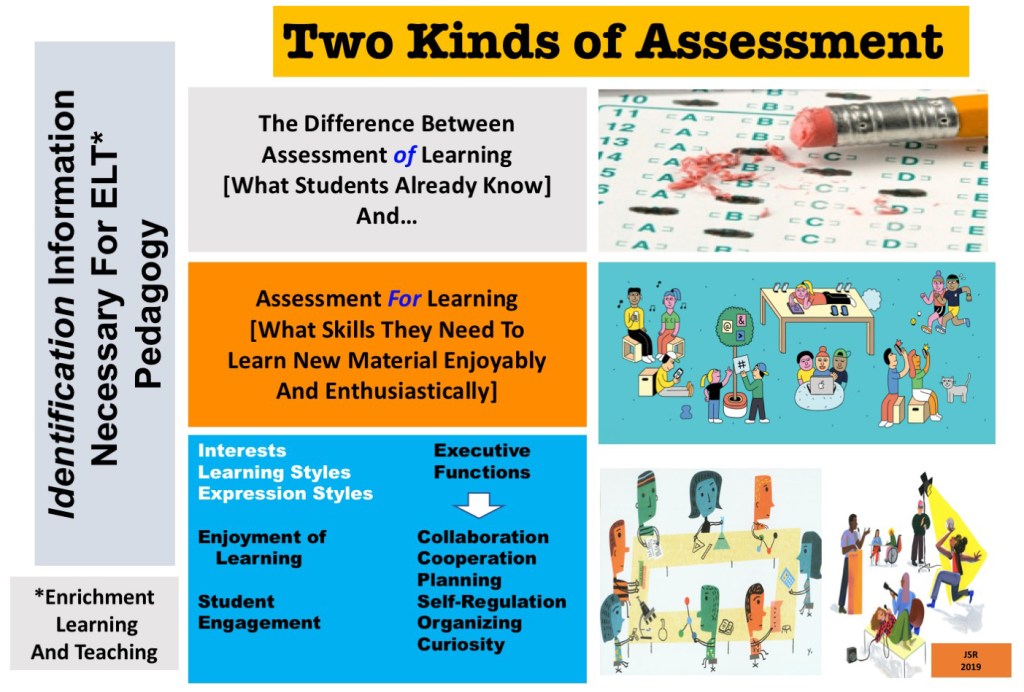
Personalized Assessments: Tailoring Education to Individual Needs
Introduction:
In the traditional education system, assessments have often been viewed as a one-size-fits-all approach to measuring student learning and understanding. However, with the rise of alternative schooling and education models, personalized assessments are gaining popularity for their ability to cater to individual needs and foster a deeper understanding of each student’s unique abilities.
What are Personalized Assessments?
Personalized assessments are an innovative way of evaluating students’ progress and understanding by tailoring the assessment process to their specific strengths, weaknesses, and learning styles. These assessments go beyond standardized tests or exams that rely on memorization and regurgitation of information. Instead, they focus on assessing critical thinking skills, problem-solving abilities, creativity, collaboration, communication skills, and other essential competencies needed in today’s rapidly changing world.
Benefits of Personalized Assessments:
1. Individualized Learning Experience:
One significant advantage of personalized assessments is that they allow for a more individualized learning experience. By identifying each student’s unique capabilities and areas for improvement through ongoing assessment methods like portfolios or project-based evaluations, educators can tailor instruction accordingly. This approach ensures that students receive targeted support where they need it most while being challenged at an appropriate level.
2. Increased Student Engagement:
When students feel seen and valued as individuals rather than just another face in the classroom crowd, their motivation naturally increases. Personalized assessments promote active engagement by allowing learners to take ownership of their own educational journey. As they see themselves progressing through personalized feedback loops tailored to their growth areas or interests, students become more invested in their learning outcomes.
3. Holistic Evaluation:
Traditional assessments tend to focus solely on academic knowledge retention without considering other important aspects such as character development or social-emotional skills. In contrast; personalized assessments offer a holistic evaluation approach that encompasses multiple dimensions of a student’s growth journey – including cognitive abilities but also creative expression potentiality, emotional intelligence, and ethical decision-making.
4. Encourages Critical Thinking:
Personalized assessments often require students to think critically and apply their knowledge in real-world scenarios. By presenting authentic tasks or projects, learners are challenged to analyze information, solve problems creatively, and demonstrate higher-order thinking skills. This approach prepares them for the complexities of the modern world where rote memorization alone is insufficient.
Methods for Implementing Personalized Assessments:
1. Formative Assessments:
Formative assessments are ongoing evaluations that provide immediate feedback to both students and teachers. These can take various forms such as quizzes, class discussions, observations, or self-reflection exercises. The goal is to gauge understanding throughout the learning process so that adjustments can be made accordingly.
2. Project-Based Learning:
Project-based learning allows students to showcase their knowledge by working on long-term projects that integrate multiple subjects and real-life applications. Such projects encourage collaboration, critical thinking, problem-solving skills while providing an opportunity for personalized assessment through rubrics tailored to individual objectives.
3. Portfolios:
Portfolios consist of a collection of student work samples over time rather than relying solely on single assessment events like exams or tests. They allow educators to track progress more comprehensively while enabling students to reflect on their growth journey personally.
4. Self-Assessment:
Encouraging students to assess themselves fosters metacognition – the ability to reflect upon one’s own thinking processes – which leads to deeper understanding and improved performance outcomes. By using tools like checklists or rubrics provided by teachers, learners gain autonomy in evaluating their own progress objectively.
Conclusion:
In a rapidly evolving educational landscape focused on meeting diverse needs effectively; personalized assessments have emerged as a powerful tool for promoting individual growth and fostering deep understanding among learners.
By tailoring assessments based on each student’s strengths and weaknesses; personalization enhances engagement levels while encouraging critical thinking; creativity; problem-solving abilities; collaboration; and other essential skills needed in today’s world.
Implementing methods such as formative assessments, project-based learning, portfolios, and self-assessment can help educators create a more student-centered approach; allowing learners to take ownership of their education while providing comprehensive feedback on their progress.
 Alternative Amie
Leave a comment