Applying the Socratic Method in Foreign Language Learning
In the realm of education, various methodologies have been developed to enhance student engagement and critical thinking skills. One such method is the Socratic method, which encourages students to engage in a series of questions and discussions to arrive at deeper understanding and knowledge. While commonly associated with philosophy or law studies, the Socratic method can also be effectively applied to foreign language learning. By integrating this approach into language classrooms, educators can foster active participation, critical thinking, and meaningful communication among students.
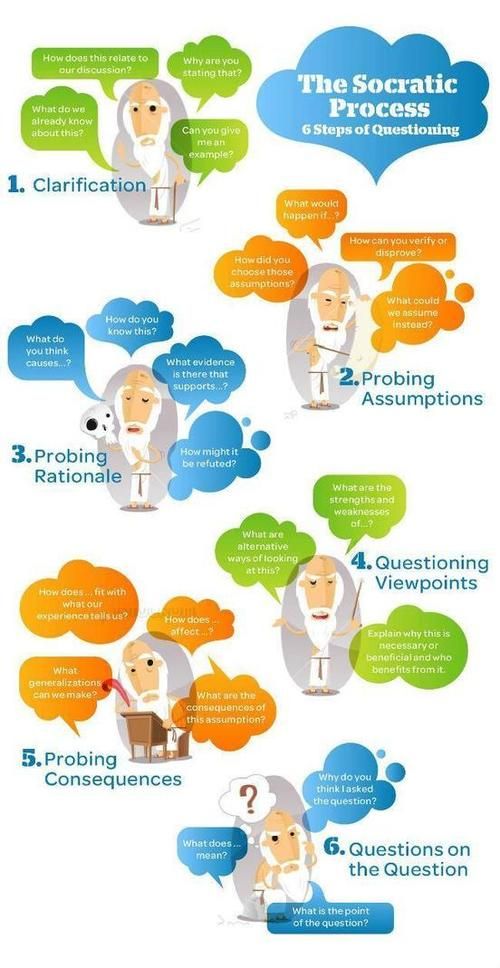
The Socratic method is rooted in inquiry-based learning, where teachers act as facilitators rather than disseminators of knowledge. Instead of providing direct answers or explanations, instructors guide students through a series of open-ended questions that encourage them to think critically about concepts and ideas. This approach compels learners to actively participate in their own learning process by analyzing information, articulating their thoughts, and constructing their own understanding.
When it comes to foreign language acquisition, traditional methods often focus on memorization and repetition rather than fostering true comprehension. The Socratic method offers an alternative by emphasizing comprehension over rote memorization. Through thoughtful questioning techniques that prompt reflection and analysis, learners are encouraged to uncover patterns within the language itself rather than relying solely on memorized vocabulary lists or grammar rules.
One key benefit of applying the Socratic method in foreign language learning is its ability to promote active engagement among students. In a typical classroom setting using traditional teaching methods, many learners may passively absorb information without truly connecting with it or developing deep understanding. However, when engaged in dialogue-driven discussions prompted by thought-provoking questions posed by the teacher using the Socratic approach, students become more invested in their own learning journey.
By engaging actively with peers through dialogue exercises using target language prompts provided by the instructor during class time or even outside class hours via online platforms specifically designed for interactive discussion forums—students gain opportunities for enhanced language practice. Through these exchanges, learners are encouraged to think critically about the language, negotiate meaning, and express themselves more fluently.
Furthermore, the Socratic method encourages students to develop their own strategies for problem-solving in foreign language contexts. By grappling with questions posed by their teacher or classmates, learners are pushed to analyze linguistic structures and apply them in meaningful ways. This process cultivates independent thinking skills that can be transferred beyond the classroom setting and into real-world situations where foreign language use is required.
Another significant advantage of incorporating the Socratic method into foreign language learning is its ability to foster critical thinking skills. In many traditional classrooms, education often revolves around passive absorption of information rather than active questioning and analysis. However, by encouraging students to examine different perspectives through open-ended questions and discussions within the target language context, they learn how to approach problems from multiple angles and evaluate various solutions.
The Socratic method also facilitates deeper comprehension of cultural aspects intrinsic to a foreign language. Language acquisition goes hand in hand with cultural understanding; therefore, it is crucial for learners not only to grasp vocabulary and grammar but also become familiar with customs, traditions, idiomatic expressions, social norms—the essence of a culture itself. Through questioning techniques utilized during class discussions or debates on cultural topics related to the target language community’s practices or beliefs—students gain insights into cultural nuances while simultaneously honing their linguistic abilities.
Moreover, applying the Socratic method in foreign language learning supports meaningful communication among students. Traditional teaching methods often prioritize accuracy over fluency when evaluating student performance. However, this emphasis on correctness can hinder learners’ willingness to take risks and engage in authentic conversation due to fear of making mistakes.
By shifting focus towards communication rather than mere grammatical accuracy using targeted questioning techniques that prompt spontaneous expression—the Socratic method prompts a safe environment for students’ experimentation with new vocabulary or sentence structures without feeling judged by their peers or instructor.
Additionally—through guided discussions during which students are encouraged to express their opinions, negotiate meaning, and challenge each other’s viewpoints—a sense of community is fostered. Learners become more comfortable interacting with one another in the target language, leading to increased confidence and fluency in real-world communication settings.
To successfully integrate the Socratic method into foreign language classrooms, educators must be intentional in fostering a supportive learning environment. Teachers should provide clear guidelines for discussion etiquette and encourage active participation from all students. It is essential to create a safe space where learners feel comfortable expressing their thoughts openly without fear of judgment or ridicule.
In conclusion, applying the Socratic method in foreign language learning offers numerous benefits for students seeking true comprehension and meaningful communication skills. By engaging learners through open-ended questions and dialogue-driven discussions, educators can foster critical thinking abilities while simultaneously encouraging deeper cultural understanding. Through this approach, students become active participants in their own education journey rather than mere recipients of information. As alternative schooling methods gain recognition worldwide, it is crucial to explore innovative approaches such as the Socratic method to enhance foreign language acquisition in an effective and engaging manner.
 Alternative Amie
Leave a comment