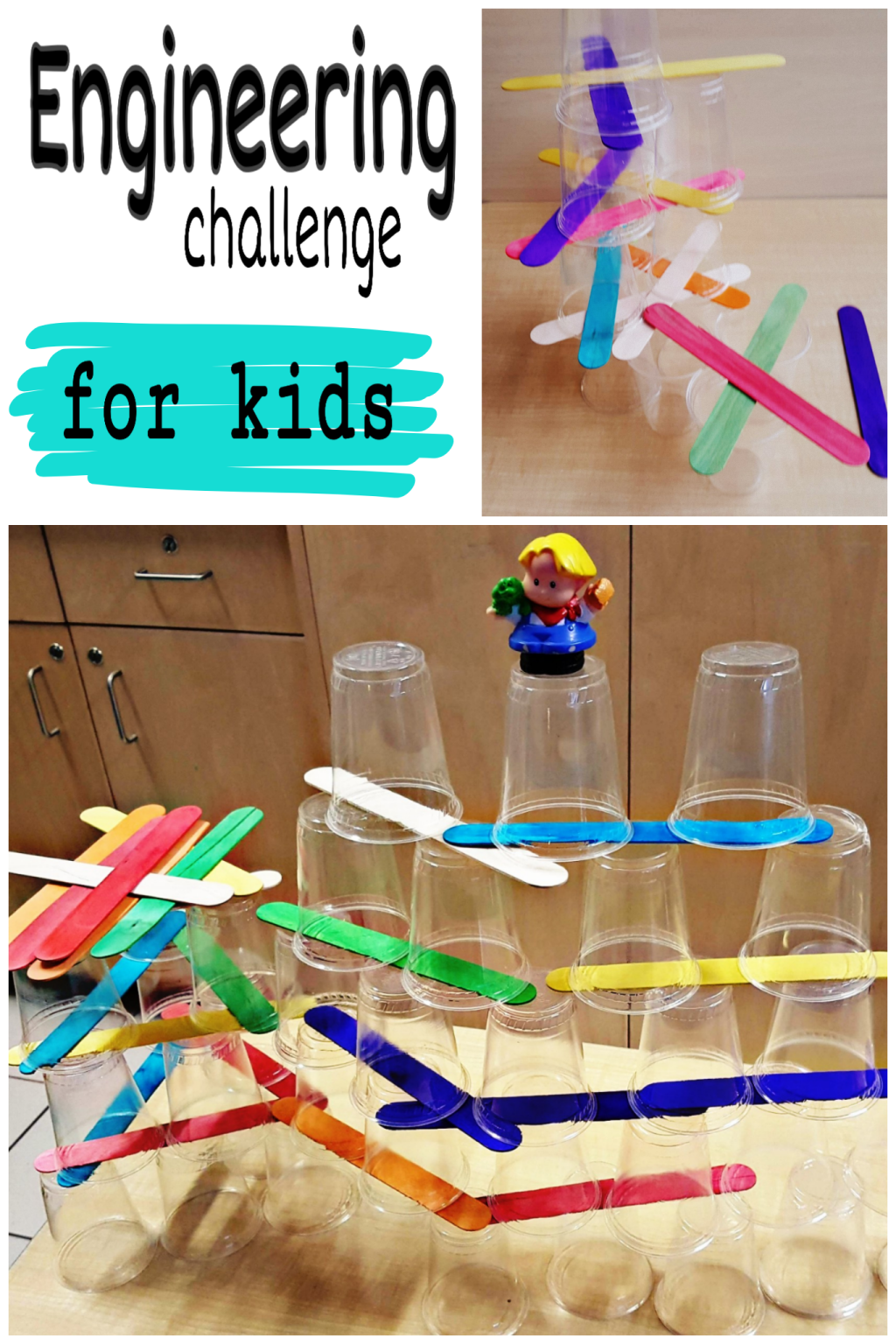
Engineering Challenges: A Pathway to Innovative Learning
In the world of education, alternative schooling has been gaining recognition for its ability to provide students with a unique and engaging learning experience. One aspect that sets alternative schools apart is their focus on hands-on, real-world problem-solving. This approach allows students to develop critical thinking skills while fostering creativity and innovation.
One area where this methodology truly shines is in engineering challenges. These challenges not only teach fundamental engineering concepts but also encourage teamwork, perseverance, and out-of-the-box thinking. Let’s explore some of the most exciting engineering challenges that make alternative schooling an enriching journey for students:
1. Bridge Building Challenge:
Tasked with constructing a bridge using limited materials like popsicle sticks or toothpicks, students get firsthand experience in structural engineering principles such as load-bearing capacity and stability. They learn how different geometric shapes can influence the strength of a structure.
2. Egg Drop Challenge:
This challenge requires students to build a contraption that can protect an egg from cracking when dropped from various heights. It incorporates elements of physics, materials science, and design thinking as they test different prototypes until they find the perfect solution.
3. Water Filtration System:
Students are given contaminated water samples and must design a filtration system using everyday materials like sand, charcoal, or cotton balls to purify it. Through this challenge, they gain knowledge about environmental engineering while understanding the importance of clean drinking water.
4. Rube Goldberg Machine Project:
Inspired by the famous cartoonist Rube Goldberg’s complex machines designed to perform simple tasks in convoluted ways, this challenge encourages creative problem-solving skills through chain reactions involving pulleys, levers, ramps, and other simple machines.
5. Solar-Powered Vehicle Design:
By designing solar-powered vehicles using motors and solar panels provided by their school or community partners, students delve into renewable energy sources while experiencing mechanical engineering concepts such as gear ratios and energy conversion.
These engineering challenges provide a platform for students to apply theoretical knowledge in practical scenarios. They foster curiosity, collaboration, and critical thinking skills while nurturing an innovative mindset. Moreover, these hands-on experiences instill a sense of accomplishment and pride as students witness their ideas come to life.
Alternative schooling with its emphasis on experiential learning through engineering challenges not only prepares students for future STEM careers but also equips them with essential life skills such as problem-solving, teamwork, and adaptability. By embracing this approach, alternative schools are shaping the next generation of engineers who will contribute to solving real-world problems in creative and sustainable ways.
 Alternative Amie
Leave a comment