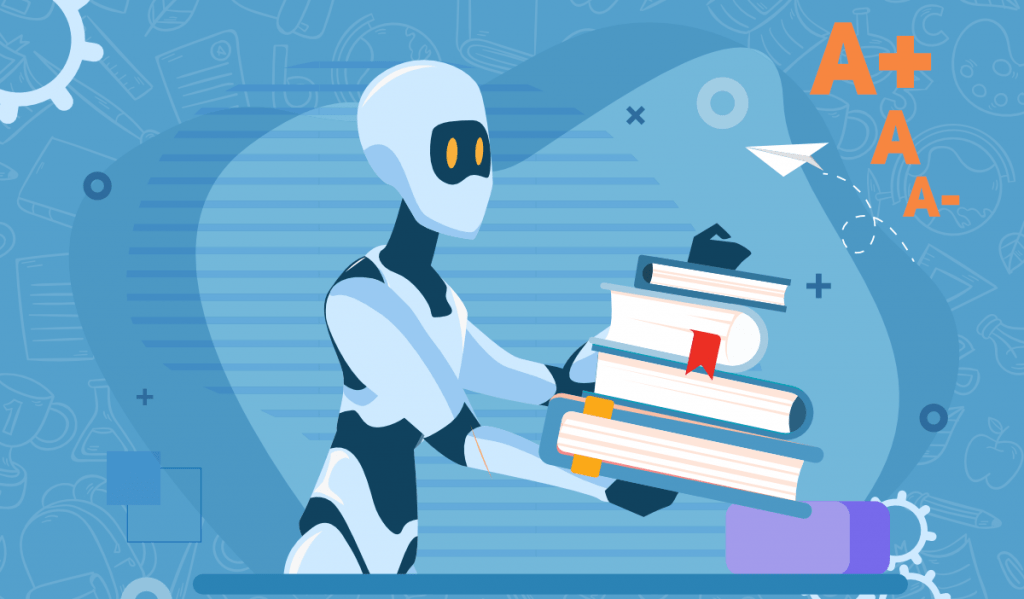
Artificial Intelligence (AI) is a rapidly evolving field that has the potential to revolutionize various aspects of our lives, including education. As technology continues to advance at an unprecedented rate, AI has made its way into classrooms and alternative schooling environments, offering innovative solutions and opportunities for students and teachers alike.
One of the key advantages of incorporating AI into education is personalized learning. Traditional classroom settings often struggle with catering to the individual needs and pace of every student. With AI-powered tools, educators can now provide tailored learning experiences based on each student’s strengths, weaknesses, and learning style. Adaptive learning platforms use algorithms that analyze data from previous interactions to create personalized curricula or recommend specific resources. This allows students to learn at their own pace, boosting engagement and improving their understanding of complex concepts.
Moreover, AI provides valuable support for teachers in terms of administrative tasks such as grading assignments or creating lesson plans. Through automated grading systems powered by machine learning algorithms, educators can save time and focus more on providing targeted feedback to students. Additionally, AI-based virtual assistants can assist teachers by answering common questions or suggesting relevant teaching materials.
Another area where AI holds great promise is in providing intelligent tutoring systems. These systems leverage natural language processing capabilities to understand student queries and provide accurate responses instantly. Intelligent tutors can offer explanations, solve problems step-by-step, or engage in interactive dialogue with learners – effectively acting as digital companions throughout the educational journey.
Additionally, AI-enabled technologies like chatbots have proven helpful in enhancing communication between schools and parents/guardians. Chatbots can quickly answer routine inquiries regarding school policies, schedules, or events while also providing updates on a child’s academic progress.
However, it is important to note that while AI presents exciting opportunities for alternative schooling environments; it should not replace human interaction entirely. The role of teachers remains vital in fostering critical thinking skills and emotional intelligence – qualities that are difficult for machines to replicate fully.
In conclusion, AI has the potential to significantly transform alternative schooling and education. By personalizing learning experiences, assisting teachers with administrative tasks, offering intelligent tutoring systems, and improving communication channels with parents/guardians, AI can enhance educational outcomes for students. However, it is crucial to strike a balance between embracing technology and maintaining the human connection that lies at the heart of effective teaching and learning. As we continue to explore the possibilities of AI in education, it is essential to approach its implementation thoughtfully and responsibly for the benefit of all learners.
 Alternative Amie
Leave a comment