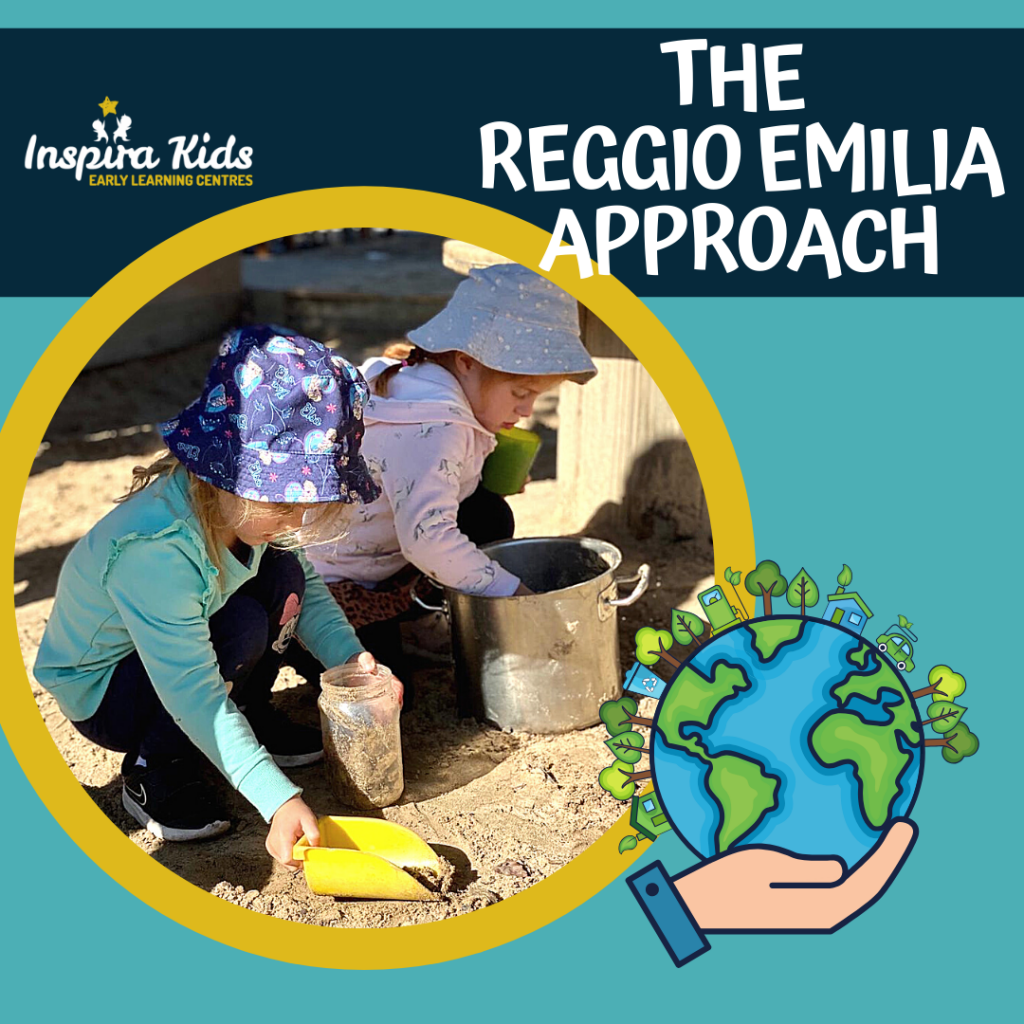
Reggio Emilia Approach: Nurturing the Creative Minds of Children
As parents, one of our greatest concerns is providing the best education for our children. We want them to develop a love for learning, become critical thinkers, and grow into well-rounded individuals. This desire often leads us to explore alternative methods of schooling and education that go beyond traditional approaches.
One such approach that has gained recognition worldwide is the Reggio Emilia approach. Originating in the town of Reggio Emilia, Italy, after World War II, this educational philosophy places great emphasis on nurturing children’s natural curiosity and creativity. It views children as capable learners who are active participants in their own education.
Central to this approach is the belief that every child is born with unique potential and an innate thirst for knowledge. The role of educators within the Reggio Emilia approach is not just to impart information but also to guide and facilitate children’s exploration of their interests and ideas.
In a Reggio-inspired classroom, you will find an environment carefully designed to stimulate inquiry-based learning. The physical space itself becomes a “third teacher,” alongside parents and educators. Classrooms are filled with natural light, open spaces, and inviting materials that encourage hands-on exploration.
The curriculum in a Reggio Emilia school emerges from the interests and questions raised by both individual children and groups as they engage with materials or interact with each other. Projects may span multiple weeks or even months as students delve deeply into topics that capture their interest. These projects allow for interdisciplinary learning across subjects like science, math, language arts, art, music — creating a holistic educational experience.
Collaboration plays a vital role within this approach as well. Students work together in small groups or larger teams on projects while teachers act as facilitators guiding discussions rather than dictating answers. Social skills such as communication, problem-solving, negotiation, empathy are developed naturally through these collaborative experiences.
Documentation is another unique feature of the Reggio Emilia approach. Teachers carefully observe and document children’s learning processes, capturing their thoughts, ideas, and progress through photographs, videos, journals, and displays. This documentation serves multiple purposes—it helps teachers reflect on their teaching practices, it allows parents to gain insight into their child’s growth and development, and it provides students with a tangible representation of their learning journey.
Reggio Emilia schools also prioritize parental involvement. Parents are seen as partners in education rather than mere spectators. They are encouraged to actively participate in school activities, contribute to classroom projects or discussions, and collaborate with educators in shaping their child’s educational experience.
One might wonder about the academic outcomes of such an approach. Studies have shown that children educated using the Reggio Emilia philosophy develop strong critical thinking skills and problem-solving abilities. They exhibit a deep sense of curiosity and become active learners who take ownership of their education.
In conclusion, the Reggio Emilia approach offers a refreshing perspective on education—one that values creativity over conformity and nurtures each child’s unique potential. By creating an environment that fosters exploration, collaboration, documentation, and parental involvement; this approach empowers children to become lifelong learners who are capable of making meaningful contributions to society.
If you’re seeking an alternative schooling method that embraces your child’s individuality while cultivating a love for learning from an early age—the Reggio Emilia approach may just be what you’re looking for!
 Alternative Amie
Leave a comment