Socialization Strategies: Fostering Social Skills in Alternative Education
Introduction:
In the realm of alternative schooling and education, a key concern often arises regarding socialization. Critics argue that students who do not attend traditional public or private schools may miss out on important opportunities to develop necessary social skills. However, research has shown that alternative forms of education can provide ample opportunities for social interaction and skill development. In this article, we will explore various strategies employed by alternative schools to ensure their students receive well-rounded socialization experiences.
1. Mixed-Age Groupings:
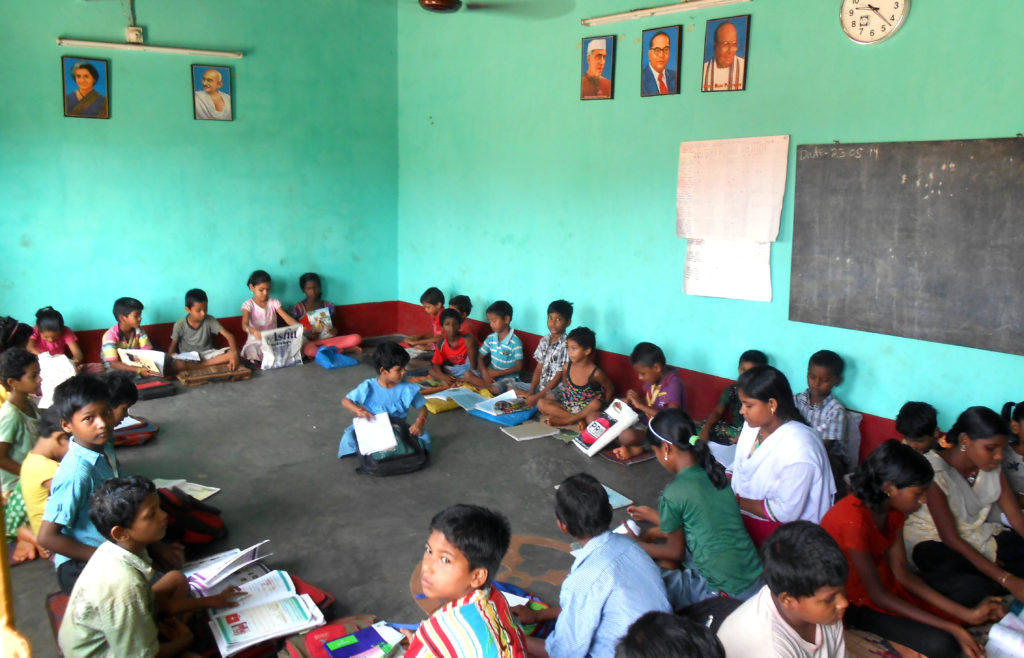
One effective strategy utilized by many alternative schools is mixed-age groupings within classrooms or learning environments. Unlike traditional educational settings where students are grouped solely based on age, alternative schools often have multi-age classrooms where children from different age groups learn together. This approach allows younger students to learn from older peers, while older students gain valuable leadership skills through mentoring and guiding younger classmates. Mixed-age groupings foster a sense of community, cooperation, and empathy among students as they interact with diverse perspectives and abilities.
2. Cooperative Learning Activities:
Cooperative learning activities play a crucial role in developing essential social skills among alternative school students. These activities involve collaborative problem-solving tasks or projects that require teamwork and effective communication between peers. By working together towards a common goal, students learn how to listen actively, respect others’ opinions, negotiate conflicts diplomatically, delegate responsibilities fairly, and appreciate the diversity of ideas presented within the group.
3. Community Engagement:
Alternative schools often prioritize community engagement as part of their curriculum design to promote real-world connections for their students. They encourage learners to participate in volunteer work or engage with local organizations relevant to their interests or studies. Such involvement fosters a sense of civic responsibility while providing numerous opportunities for socialization outside the confines of the classroom walls.
4. Mentoring Programs:
Implementing mentoring programs within alternative education settings can greatly enhance socialization experiences for both mentors and mentees. Older students or community members are paired with younger students to establish a supportive relationship that promotes personal growth and social development. Mentoring programs enable students to build self-confidence, acquire new skills, receive guidance from experienced individuals, and develop positive relationships with peers from different age groups.
5. Social Skills Training:
Alternative schools recognize the importance of explicitly teaching social skills to their students. They incorporate dedicated lessons or workshops focused on communication techniques, active listening, conflict resolution, empathy-building exercises, and emotional intelligence development. By providing structured opportunities for learning these skills within the school environment, alternative education institutions equip their students with invaluable tools for successful social interaction.
6. Extracurricular Activities:
Extracurricular activities play a vital role in fostering socialization among alternative school students. These activities can range from sports teams to clubs related to arts, music, drama, debate or any other interest area of the learners. Participating in such extracurricular activities exposes students to a diverse range of peers who share similar passions or hobbies outside of academic pursuits. These interactions facilitate friendships based on shared interests while encouraging teamwork and collaboration beyond the classroom setting.
7. Outdoor Education:
Many alternative schools prioritize outdoor education as an integral part of their curriculum design due to its numerous benefits for overall development including improved socialization skills. Outdoor experiences like field trips, camping trips or nature-based learning expeditions provide ample opportunities for students to interact closely with one another in natural environments outside the confines of a traditional classroom setup. Such experiences promote teamwork and cooperation while nurturing an appreciation for nature and fostering deeper connections between classmates.
Conclusion:
Contrary to popular belief that alternative schooling may hinder socialization opportunities for children compared to traditional forms of education; research indicates otherwise. Alternative education systems employ various strategies aimed at promoting well-rounded socialization experiences among their students while emphasizing community engagement, cooperative learning activities, mixed-age groupings, mentoring programs along with explicit social skills training. By adopting these strategies, alternative schools effectively equip students with the necessary tools to navigate social interactions successfully and thrive in diverse communities beyond the boundaries of their educational environment.
 Alternative Amie
Leave a comment