Introduction
Dual enrollment, also known as concurrent enrollment or dual credit, is a program that allows high school students to enroll in college-level courses and earn both high school and college credits simultaneously. This alternative form of education has gained popularity in recent years due to its potential to provide students with a head start on their college education and save them time and money in the long run.
However, like any educational program, dual enrollment comes with its own set of challenges and misconceptions. In this panel discussion-style article, we will explore some of these challenges and misconceptions surrounding dual enrollment, shedding light on the realities faced by students who choose this path.
Panelists:
1. Dr. Sarah Johnson – Professor at XYZ University
2. Mr. John Smith – High School Counselor
3. Ms. Emily Thompson – Dual Enrollment Student
4. Mr. David Brown – Parent of a Dual Enrollment Student
Challenges Faced by Dual Enrollment Students
Dr. Johnson: One significant challenge faced by dual enrollment students is the increased workload they have to manage compared to their peers solely attending high school classes. Not only do these students have to juggle their regular high school coursework but also meet the demands of college-level classes.
Ms. Thompson: I can definitely relate to that challenge personally as a dual enrollment student myself. Time management becomes crucial when you’re trying to balance assignments from different institutions while still maintaining your extracurricular activities and personal life.
Mr. Smith: Additionally, another challenge for some students is adapting to the more rigorous academic expectations of college-level courses compared to what they may have been exposed to in high school.
Dr Johnson: That’s right! College courses often require greater self-discipline and independent learning skills than typical high school classes where there may be more guidance from teachers.
Misconceptions Surrounding Dual Enrollment
Mr. Brown: One common misconception about dual enrollment is that it’s only suitable for academically gifted or high-achieving students. However, this is not the case. Dual enrollment programs are designed to cater to a wide range of students with varying academic abilities and interests.
Dr. Johnson: You’re absolutely right, Mr. Brown. Dual enrollment provides opportunities for both advanced learners who want to challenge themselves and students who may be struggling in traditional high school settings but thrive in a different learning environment.
Ms. Thompson: Another misconception I often come across is that dual enrollment courses are less rigorous or watered down compared to regular college classes. In my experience, the courses I’ve taken have been just as challenging and demanding as those taken by full-time college students.
Mr. Smith: That’s an important point to highlight because it shows that dual enrollment can provide an authentic college experience and help bridge the gap between high school and higher education.
Benefits of Dual Enrollment
Dr. Johnson: It’s crucial also to emphasize some of the benefits of dual enrollment programs, despite the challenges they present. Firstly, participating in dual enrollment allows students to explore different subjects before committing fully to a specific field of study in college.
Ms.Thompson: Absolutely! Being able to test-drive various areas of interest has been invaluable for me personally in narrowing down my career choices before entering college full-time.
Mr.Smith: Additionally, another significant benefit is the potential cost savings associated with earning college credits while still in high school since many institutions offer these courses at reduced tuition rates or even free of charge.
Mr.Brown: As a parent, I appreciate that aspect too! Knowing that my child is getting ahead on their degree while saving us money gives me peace of mind about their future financial stability.
Addressing Challenges and Misconceptions
Dr.Johnson: To address the challenges faced by dual enrollment students effectively, schools should provide adequate support systems such as academic advising tailored specifically for these students’ needs. This guidance can help them navigate course selection, manage their time effectively, and ensure they are on track for both high school graduation and college admission.
Ms.Thompson: I agree with Dr. Johnson. Schools should also consider providing resources like study groups or mentorship programs to help dual enrollment students connect with peers who understand the unique challenges they face.
Mr.Smith: In terms of addressing misconceptions, it’s important for schools and colleges to promote transparency about the rigor of dual enrollment courses, ensuring that students and parents have a clear understanding of what to expect academically.
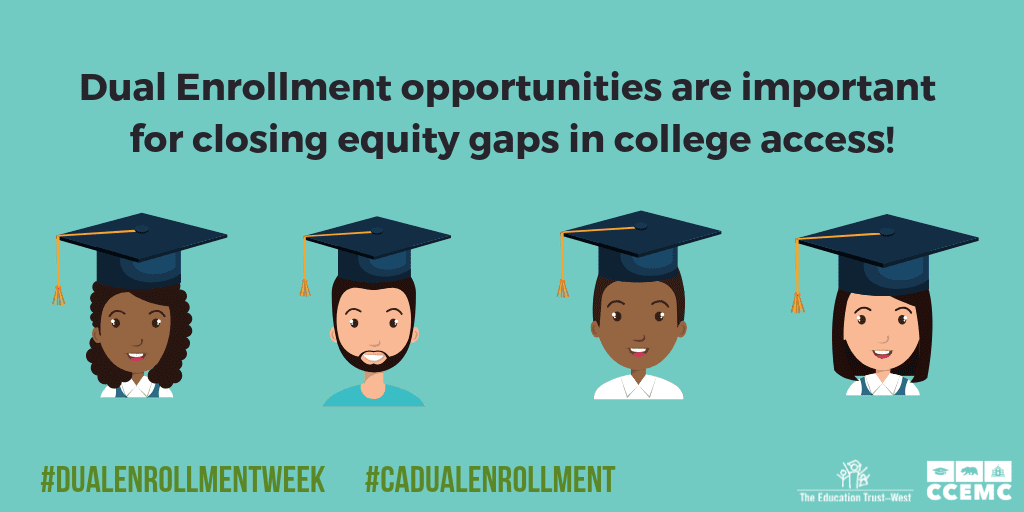
Dr.Johnson: Absolutely! Furthermore, educators should also strive to educate parents and students about the diverse range of students who can benefit from dual enrollment programs. It’s essential to break down any barriers or stigmas associated with participation in these programs.
Conclusion
Dual enrollment offers an alternative pathway for high school students seeking a head start on their college education. While it presents its own set of challenges such as increased workload and adapting to higher academic expectations, these obstacles can be overcome through effective support systems provided by educational institutions.
By dispelling misconceptions surrounding dual enrollment – such as its exclusivity for academically gifted students or lower academic rigor – we open up opportunities for a wider range of learners to benefit from this program. Dual enrollment not only provides cost savings but also helps students explore various subjects before committing fully to a specific field of study in college.
Through collaboration between schools, colleges, educators, and parents, we can address the challenges faced by dual enrollment students while fostering a more inclusive understanding of the benefits this program has to offer.
 Alternative Amie
Leave a comment