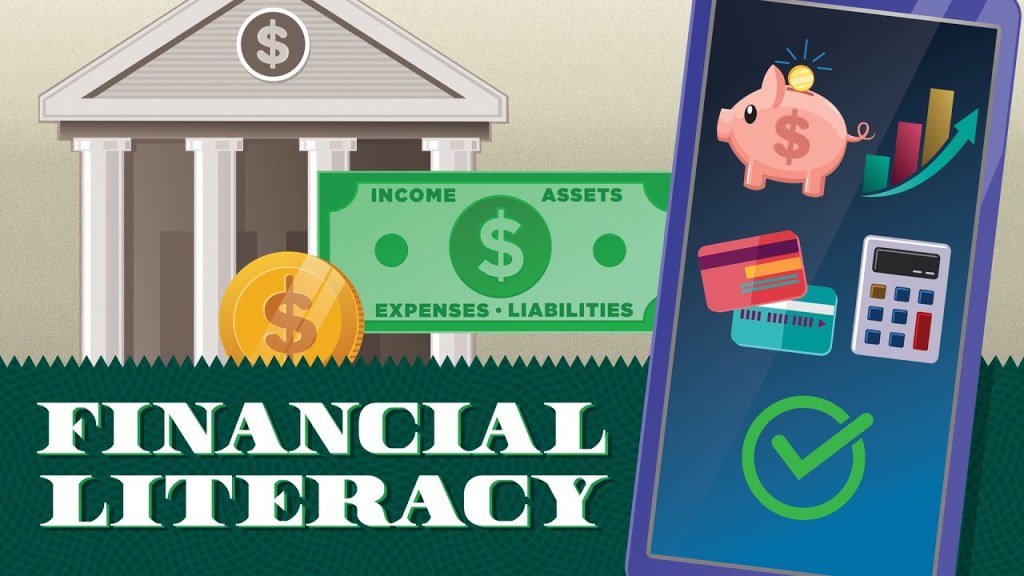
Money management is an essential skill that everyone should learn, regardless of their age or background. It helps individuals make informed financial decisions, save money for the future, and avoid falling into debt. Unfortunately, traditional schooling often neglects to teach students about personal finance and money management skills. That’s where alternative schooling and education can play a crucial role in filling this gap.
One of the first money management skills that should be taught is budgeting. A budget acts as a roadmap for your finances, allowing you to track your income and expenses and plan accordingly. By creating a realistic budget, you can ensure that you have enough money for necessities while also setting aside funds for savings or investments.
Another important aspect of money management is understanding the difference between needs and wants. In our consumer-driven society, it’s easy to get caught up in buying things we don’t really need. Teaching students how to prioritize their spending based on actual needs versus wants will help them develop responsible financial habits.
Moreover, alternative schools can emphasize the importance of saving from an early age. Whether it’s setting aside a portion of their allowance or earning extra income through part-time jobs during high school or college years, teaching students the value of saving will benefit them greatly in the long run.
Furthermore, alternative education institutions can introduce concepts such as compound interest and investing at an early stage. Understanding how compound interest works allows individuals to see how small amounts saved over time can grow significantly with interest added on top. Introducing basic investment strategies like diversification and risk assessment enables students to make informed decisions about growing their wealth responsibly.
In addition to these foundational skills, alternative schools can also teach practical lessons such as managing credit wisely. Understanding credit scores, interest rates associated with loans or credit cards, and developing good borrowing habits are all vital aspects of being financially literate.
Alternative education approaches could even incorporate real-life scenarios into their curriculum by simulating situations like paying bills or managing a monthly budget. This hands-on experience will bridge the gap between theory and practice, helping students develop practical money management skills.
Furthermore, alternative schools can invite financial experts to conduct workshops or seminars on topics like debt management, retirement planning, and tax strategies. These professionals can provide valuable insights and guidance to students, preparing them for the challenges they may face in their financial lives.
Another important aspect of money management that alternative education institutions can emphasize is the importance of setting financial goals. By encouraging students to set short-term and long-term financial goals, they learn how to prioritize their spending and make choices that align with their objectives.
Teaching students about entrepreneurship is also an essential part of money management education. Encouraging creativity and innovation helps individuals see opportunities beyond traditional employment. Alternative schools can foster an entrepreneurial mindset by providing resources and support for students interested in starting their own businesses or pursuing freelance work.
Lastly, alternative schooling approaches should teach responsible consumer behavior. Teaching students about ethical consumption practices, such as supporting local businesses or considering environmental impact when making purchasing decisions, instills values that go beyond personal finance but contribute to overall well-being.
In conclusion, money management skills are integral to leading a financially secure life. Alternative schooling and education play a crucial role in equipping individuals with these skills by teaching budgeting, distinguishing between needs and wants, saving habits early on, understanding compound interest and investing concepts, credit management techniques, real-life simulations of financial scenarios, inviting expert speakers for workshops/seminars on relevant topics like debt/retirement planning/taxation-strategies), goal-setting exercises related to finances entrepreneurship awareness/support/resourceful ideas towards self-employment/freelancing endeavors along with responsible consumer behavior practices contributing towards societal well-being. With these comprehensive teachings incorporated into alternative educational systems’ curricula effectively prepares individuals for handling their finances responsibly throughout life’s journey
 Alternative Amie
Leave a comment