Preparing Transcripts and Portfolios for College Applications as a Homeschooled Student
Introduction
Homeschooling offers numerous benefits, such as flexibility, personalized education, and the ability to focus on individual strengths and interests. However, when it comes to college applications, homeschooled students face unique challenges. Unlike traditional high schools that provide transcripts, homeschoolers must create their own transcripts and portfolios to showcase their academic achievements and extracurricular activities. In this article, we will explore the steps involved in preparing transcripts and portfolios for college applications as a homeschooled student.
Transcripts for Homeschooled Students
A transcript is a document that summarizes a student’s academic record over the course of their high school years. While homeschoolers do not have official school records provided by an institution, they can still create comprehensive transcripts.
1. Choose a Format: There are various formats to choose from when creating your transcript. The most common ones include chronological or subject-based formats. Select the format that best represents your educational journey.
2. Include Essential Information: Your transcript should contain vital information such as your full name, address, contact details, graduation date (or expected graduation date), courses taken with corresponding grades or evaluation methods used.
3. Course Descriptions: Provide brief descriptions of each course you completed during high school. Include information about textbooks used, major assignments or projects completed, and any unique learning experiences you had.
4. Grading System: Clearly explain how you assigned grades or evaluated your work throughout your homeschooling experience. Whether it was through tests, papers/projects assessments given by parents/tutors/mentors outside of the family circle – make sure it is transparently presented.
5.Graduation Credits: Determine how many credits each course is worth based on hours spent studying or completing coursework per week/month/year – this helps colleges understand the effort put into each subject area.
Creating Portfolios
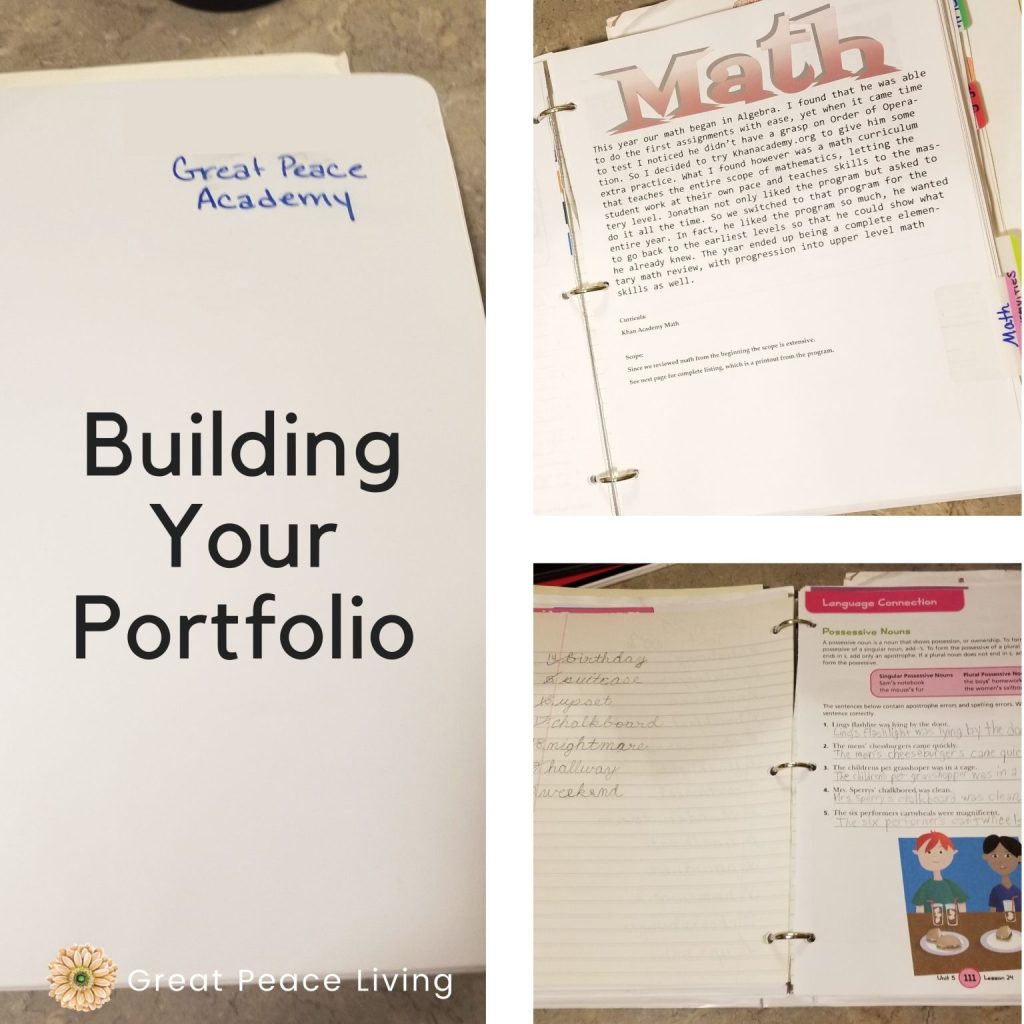
In addition to transcripts, many colleges also require a portfolio to assess a homeschooled student’s extracurricular activities, achievements, and personal growth. A portfolio is an excellent opportunity to showcase your unique talents and experiences.
1. Identify Your Strengths: Reflect on your interests, passions, hobbies, volunteer work, internships, or any other significant experiences you have had during high school. Identify the areas where you excelled the most.
2. Organize Your Materials: Collect samples of your work that demonstrate your abilities in different areas such as writing samples (essays, research papers), artwork or designs (photographs, paintings), videos of performances or presentations – anything that showcases your skills.
3. Provide Context: For each item in your portfolio, provide a brief description explaining the purpose of the project or activity and what you learned from it. This will help admissions officers understand the significance of each item.
4. Highlight Achievements: Include any awards received for academic excellence, community service initiatives you led or participated in – these demonstrate leadership qualities and commitment beyond academics.
5. Seek Feedback: Before finalizing your portfolio, ask for feedback from mentors or professionals in relevant fields who can provide valuable insights on how to improve its presentation and content.
Conclusion
Preparing transcripts and portfolios as a homeschooled student requires careful planning and organization. By creating comprehensive transcripts that highlight courses taken along with their descriptions and grading systems used effectively presents homeschooling education to college admission officials.
Additionally showcasing extracurricular activities through well-organized portfolios helps colleges understand the breadth of experience gained outside traditional classroom settings.
Remember to start early in collecting materials for both transcripts and portfolios; this allows ample time for reflection on accomplishments throughout high school years while ensuring all necessary documentation is included before submitting applications.
 Alternative Amie
Leave a comment