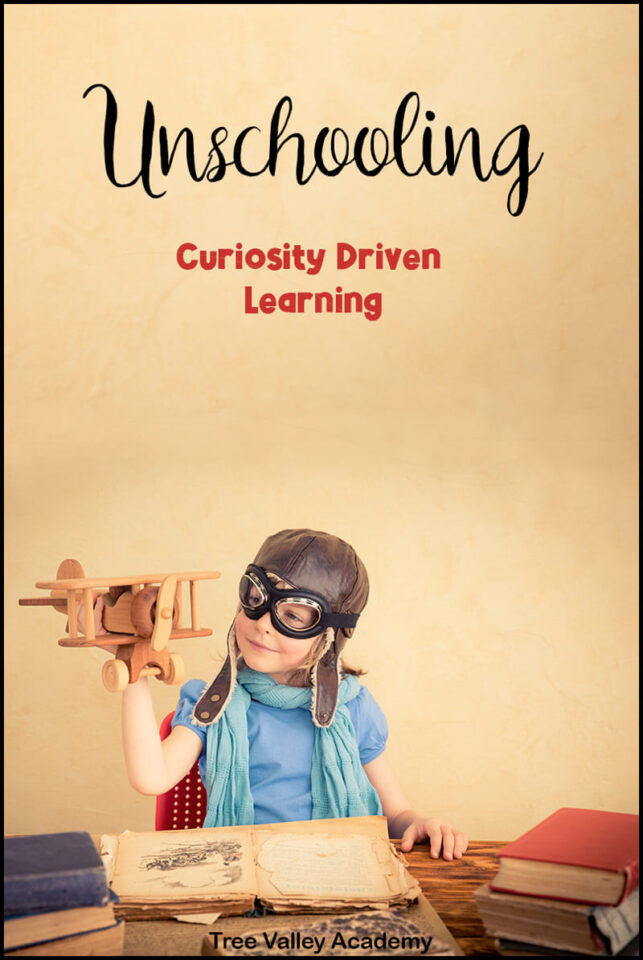
Unschooling: A Philosophy of Freedom and Self-Directed Learning
In a traditional educational setting, students are expected to follow a predetermined curriculum, adhere to strict schedules, and conform to standardized testing. However, an alternative approach known as unschooling challenges these norms and offers a philosophy that embraces freedom and self-directed learning. Unschooling recognizes that every child is unique, with individual interests and passions, allowing them the opportunity to pursue their own education in a way that resonates with them.
What Is Unschooling?
Unschooling can be defined as a form of homeschooling that rejects formal curricula and traditional schooling methods. Instead of structured lessons taught by teachers or parents, unschoolers choose to let their children learn through natural life experiences. This approach encourages children to explore their own interests while providing an environment where curiosity is fostered.
Principles of Unschooling
1. Freedom: At the core of unschooling lies the belief in personal freedom. Children are given autonomy over their learning journey – they have the freedom to choose what they want to learn about and how they want to learn it. This freedom allows for exploration without limitations imposed by external forces.
2. Trust: Unschoolers trust in their children’s innate desire for knowledge and believe that learning happens naturally when individuals are motivated by genuine interest or passion. By trusting children’s instincts, unschoolers promote self-confidence, independence, and critical thinking skills.
3. Individualized Learning: Each child has unique strengths, weaknesses, interests, and talents; therefore unschooling promotes personalized education tailored specifically for each individual learner. By focusing on individual needs rather than generalized expectations set by age groups or grade levels, unschooled children can thrive academically.
4. Real-World Experiences: The world becomes the classroom for unschoolers as they engage with real-life experiences on a daily basis instead of sitting at desks within four walls. Unschoolers may visit museums, attend workshops, participate in community projects, travel, or pursue apprenticeships to gain practical knowledge and hands-on skills.
5. Self-Directed Learning: Unschooling places a strong emphasis on self-directed learning. By allowing children to take charge of their education, they develop intrinsic motivation and become active participants in the learning process. This empowers them to set goals, seek resources independently, and follow their passions.
Benefits of Unschooling
1. Passion-driven Learning: Unschooled children have the opportunity to immerse themselves fully in subjects they are passionate about. This deep engagement fosters curiosity and a love for lifelong learning.
2. Flexibility: Unschooling provides flexibility in terms of pace and schedule. Children can learn at their own rhythm without being rushed or constrained by arbitrary timelines or deadlines.
3. Holistic Development: With unschooling, children have the freedom to explore various interests beyond academics – such as art, music, sports, or entrepreneurship – which contributes to their well-rounded development.
4. Critical Thinking Skills: By actively engaging with real-world experiences and pursuing self-directed learning paths, unschooled children develop critical thinking skills that enable them to tackle challenges creatively and think outside the box.
5. Emotional Well-being: Without the pressure of grades or exams associated with traditional schooling systems, unschoolers often experience less stress-related anxiety while maintaining a positive attitude towards learning.
Challenges of Unschooling
Unschooling is not without its challenges:
1. Socialization: Critics argue that unschoolers may miss out on social interactions that occur naturally within conventional school settings; however, this concern is often unfounded as many unschooled children engage in community activities or join homeschool co-ops where they interact with peers regularly.
2. Parental Commitment: Unschooling requires significant time commitment from parents who act as facilitators rather than teachers. Parents must provide resources, support, and guidance while respecting their child’s autonomy.
3. Validation: The unconventional nature of unschooling may lead to skepticism or even criticism from friends, family, or society at large. Unschoolers often need to explain and defend their educational approach.
Conclusion
Unschooling offers a unique educational philosophy that prioritizes freedom and self-directed learning. By empowering children to take charge of their education, unschooling promotes deep engagement in subjects of interest and encourages lifelong learning. Although it presents challenges for both parents and learners alike, the benefits of unschooling in terms of personal growth, critical thinking skills, and overall well-being make it an appealing alternative to traditional schooling for many families seeking a more flexible approach to education.
 Alternative Amie
Leave a comment