Collaborative Learning Environments: Fostering Innovation and Empowering Students
Introduction:
Education is evolving rapidly, and traditional classroom settings are being challenged by alternative approaches that prioritize collaboration, creativity, and critical thinking. One such approach is collaborative learning environments, which have gained popularity in recent years for their ability to foster innovation and empower students. In this article, we will delve into the concept of collaborative learning environments, explore their benefits, discuss effective strategies for implementation, and highlight some successful examples.
What are Collaborative Learning Environments?
Collaborative learning environments refer to educational settings that encourage students to work together in groups or teams on various tasks or projects. Unlike the conventional model where teachers impart knowledge unilaterally, collaborative learning emphasizes active participation from all learners. It aims to create an inclusive space where students can exchange ideas freely, challenge one another’s assumptions, build on shared knowledge, and collectively construct meaning.
Benefits of Collaborative Learning Environments:
1. Enhanced Communication Skills: Collaboration necessitates effective communication between team members. In a collaborative learning environment, students develop crucial skills like articulating thoughts clearly, actively listening to others’ perspectives, giving constructive feedbacks – all essential components for success both inside and outside the classroom.
2. Improved Critical Thinking Abilities: Collaborating with peers encourages students to think critically about different viewpoints and analyze problems from multiple angles. Through discussions and debates within groups or teams, they learn how to evaluate evidence objectively while considering diverse opinions – a skill vital for lifelong learning.
3. Increased Engagement: By working together towards a common goal or project outcome in a collaborative setting rather than passively absorbing information from textbooks or lectures alone; students become more engaged in their education journey. This increased engagement leads to higher motivation levels as they feel valued as active contributors rather than passive recipients of knowledge.
4. Development of Social Skills: Collaborative learning provides ample opportunities for students to develop social skills such as empathy, cooperation, and conflict resolution. They learn to understand and appreciate different perspectives and value the strengths of their peers, fostering a sense of community within the classroom.
5. Encourages Creativity: Collaboration often involves brainstorming sessions where students generate ideas collectively. This creative exchange inspires innovative thinking as individuals build upon each other’s suggestions, leading to more imaginative solutions compared to working in isolation.
Strategies for Implementing Collaborative Learning Environments:
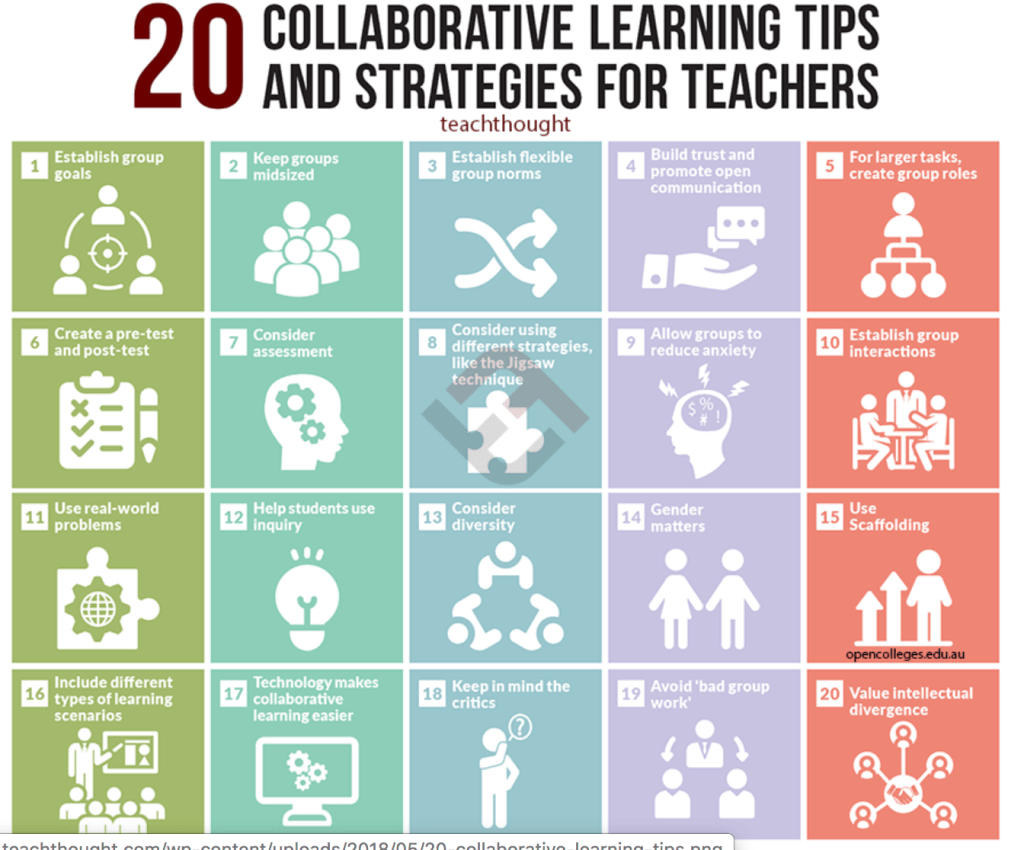
While collaborative learning environments have numerous benefits, their successful implementation requires careful planning and consideration of various strategies. Here are some effective approaches that educators can employ:
1. Establish Clear Goals: Clearly define the specific learning objectives for each collaborative activity or project to ensure students understand what they are expected to achieve together. Setting goals helps maintain focus and provides a framework for evaluating individual and group progress.
2. Create Diverse Groups: Arrange groups in a way that encourages diversity in terms of skill sets, personalities, backgrounds, etc. The inclusion of diverse perspectives enriches discussions and broadens students’ horizons.
3. Foster Effective Communication: Teach students how to communicate effectively by providing guidelines on active listening, respectful dialogue, constructive feedbacks, and problem-solving techniques within groups.
4. Provide Structure: While collaboration thrives on autonomy and freedom, providing some structure is crucial to keep activities on track. Educators should create clear timelines or milestones for projects while allowing room for flexibility based on student needs.
5. Facilitate Reflection Opportunities: Build reflection into the collaborative process to encourage metacognition – self-reflection about one’s own thinking processes – which enhances learning outcomes significantly.
Successful Examples of Collaborative Learning Environments:
1. High Tech High (HTH): Located in San Diego County, HTH is an exemplar institution renowned for its project-based approach rooted in collaboration among students across disciplines ranging from engineering to arts. Students work collaboratively on real-world projects while developing essential skills and knowledge.
2. The Studio School: Based in New York City, The Studio School emphasizes collaboration as a foundation for learning and creativity. Students engage in interdisciplinary projects that require teamwork, critical thinking, and problem-solving skills.
3. Big Picture Learning: With schools across the United States, Big Picture Learning focuses on creating personalized learning experiences through internships, mentoring relationships, and collaborative projects tailored to individual students’ interests.
Conclusion:
Collaborative learning environments provide an alternative approach to education that nurtures innovation, enhances communication skills, fosters critical thinking abilities, increases engagement levels, develops social skills, and encourages creativity among students. By implementing effective strategies such as setting clear goals, cultivating diverse groups, fostering effective communication patterns, providing structure while allowing flexibility, and facilitating reflection opportunities; educators can create engaging environments where students actively participate in their own learning journey. Successful examples like High Tech High (HTH), The Studio School, and Big Picture Learning showcase the potential of collaborative learning environments to transform education positively. As we continue to embrace alternative approaches to schooling and education worldwide; collaborative learning environments hold immense promise for empowering students with the skills required for success in the 21st century workplace and society at large.
 Alternative Amie
Leave a comment