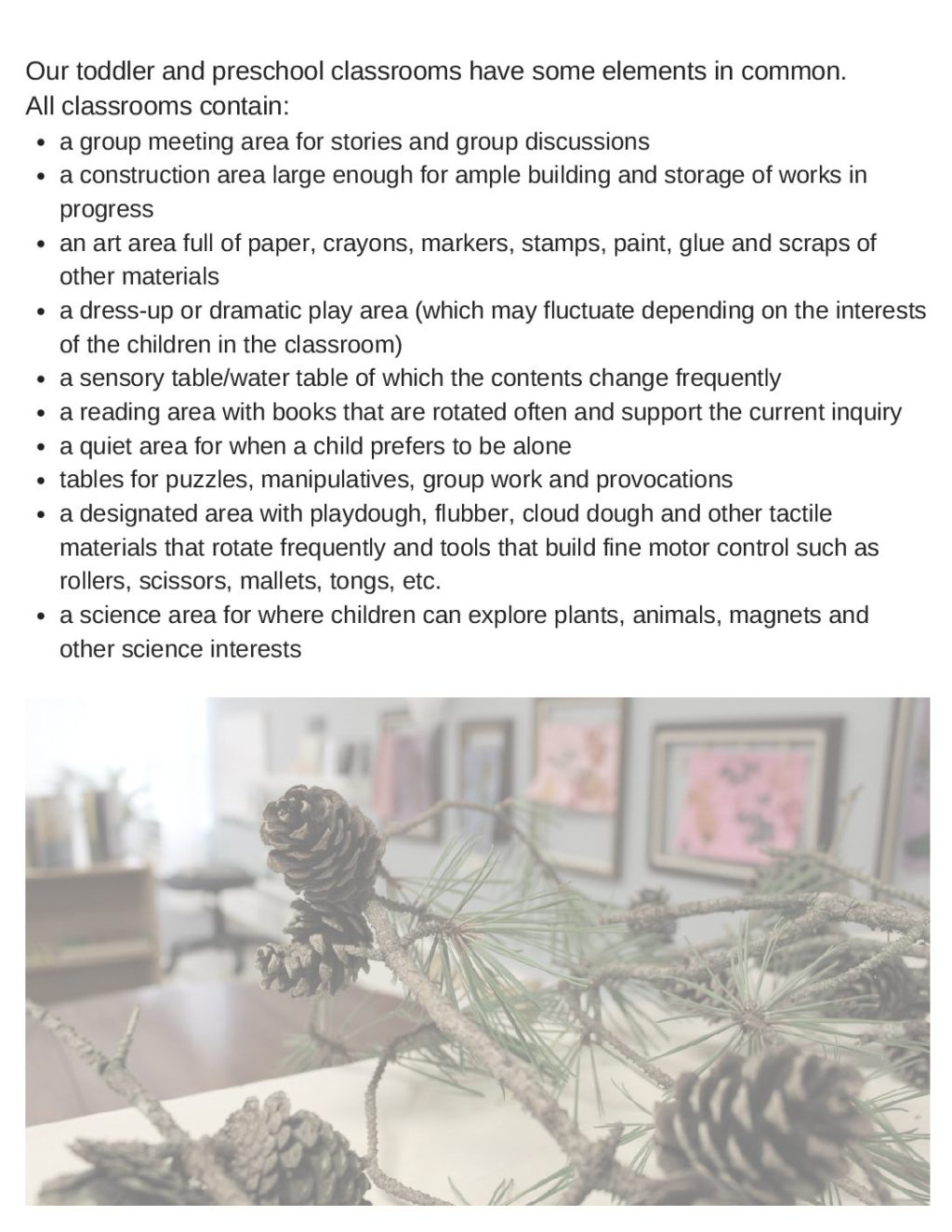
The environment, in all its forms, has always been an important source of learning for children. From the vastness of nature to the smallest details found within it, there is a wealth of knowledge waiting to be discovered. As educators and parents, we often focus on textbooks and formal instruction as the primary sources of education. However, we must not overlook the powerful influence that the environment can have as the third teacher.
In alternative schooling and education systems, where creativity and individuality are celebrated, the environment plays a crucial role in shaping children’s learning experiences. It goes beyond simply being a backdrop or setting; it becomes an active participant in their education. This concept is rooted in Reggio Emilia educational philosophy which recognizes that children are capable learners who construct knowledge through interacting with their surroundings.
One key aspect of viewing the environment as the third teacher is understanding that it encompasses not only outdoor spaces but also indoor ones. The physical layout and design of classrooms can significantly impact students’ engagement and learning outcomes. In traditional school settings, classrooms often consist of rows of desks facing forward with limited room for movement or exploration. In contrast, alternative schools prioritize flexible spaces that allow for collaboration, hands-on activities, and adaptability.
By creating environments that encourage curiosity and exploration, students become active participants in their own learning journey rather than passive recipients of information from teachers alone. For example, natural light streaming through large windows can inspire creativity and enhance mood while plants create a calming atmosphere conducive to concentration. Additionally, open-ended materials such as blocks or art supplies invite imaginative play and problem-solving.
Outdoor environments offer even more opportunities for holistic learning experiences. Nature provides endless possibilities for discovery across various subjects – from science to math to language arts – fostering connections between curriculum concepts and real-world applications. Whether it’s studying ecosystems by observing local flora and fauna or practicing counting using leaves or pebbles found on nature walks – these hands-on experiences deepen understanding far beyond what textbooks can offer.
Furthermore, the environment as the third teacher helps develop essential life skills such as empathy, resilience, and environmental stewardship. Spending time outdoors allows children to connect with nature on a personal level, fostering a sense of empathy towards plants, animals, and their habitats. They learn to appreciate the interconnectedness of all living things and understand their responsibility in preserving our planet’s resources.
In alternative schooling settings that prioritize sustainability and ecological awareness, students actively participate in projects that promote environmental stewardship. These initiatives can range from creating compost bins or recycling programs within the school to engaging in community clean-up campaigns or advocating for sustainable practices in their local neighborhoods. Through these hands-on experiences, children learn about their role as active participants in creating a better future for themselves and generations to come.
The environment also offers opportunities for social-emotional growth and relationship building among students. Collaborative projects undertaken outdoors encourage teamwork, communication skills, negotiation abilities, and conflict resolution techniques – all essential interpersonal skills necessary for success beyond academia.
Moreover, being immersed in natural environments has been shown to have positive effects on mental health and well-being. Studies have indicated that exposure to green spaces reduces stress levels while increasing attention span and overall cognitive function. By incorporating outdoor learning into educational practices regularly, we can support students’ emotional well-being while enhancing academic outcomes.
It is important to acknowledge that not all schools or educational institutions have access to vast natural landscapes or spacious indoor facilities conducive to alternative education methods. However, even small changes can make a significant impact on how the environment serves as the third teacher. Whether it’s transforming a corner of a classroom into an inviting reading nook with plants or utilizing nearby parks as extensions of traditional classrooms – every effort counts.
In conclusion, viewing the environment as the third teacher is paramount when considering alternative schooling approaches. It allows us to tap into children’s innate curiosity while providing them with authentic learning experiences that go far beyond textbooks and traditional instruction. By creating environments that inspire creativity, foster connections with nature, promote sustainability, and support social-emotional growth, we empower students to become lifelong learners with a deep respect for the world around them. As educators and parents, let us embrace the environment as an invaluable partner in our children’s education.
 Alternative Amie
Leave a comment