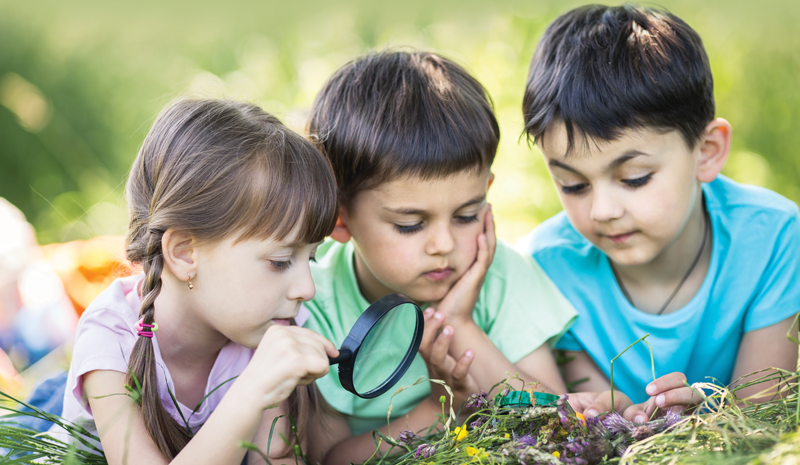
Forest schools, an alternative form of education gaining popularity worldwide, offer children a unique learning experience in the great outdoors. These schools provide opportunities for children to explore, play, and learn in natural environments such as forests or woodlands. While the concept of forest schools is not new, it has gained momentum over recent years due to its numerous benefits for children’s development.
One of the key principles of forest schools is child-led learning. Instead of following a set curriculum, children are encouraged to take initiative and direct their own learning experiences. This approach fosters independence, problem-solving skills, and creativity as kids engage with their surroundings. For example, they may build shelters using natural materials or identify different plant species through hands-on exploration.
The outdoor environment itself provides countless opportunities for sensory experiences that stimulate cognitive development. Whether it’s feeling the texture of tree bark or listening to birdsong, these sensory inputs help cultivate observation skills and heighten awareness of nature’s wonders. Physical activity is also inherent in forest school activities – walking on uneven terrain promotes balance and coordination while climbing trees develops strength and spatial awareness.
Another significant benefit lies in the emotional well-being fostered by forest schools. Spending time outdoors helps reduce stress levels and improve mental health among both children and adults alike. The calming effect of nature combined with regular physical exercise contributes to increased happiness and overall well-being.
Moreover, forest schools encourage environmental consciousness from an early age by instilling a deep appreciation for nature’s beauty and emphasizing sustainable practices. Children learn about conservation through practical activities like planting trees or recycling materials found during outdoor expeditions.
Forest schools can be found in various countries around the world today but originated in Scandinavia back in the 1950s when Danish educators recognized the importance of connecting young people with nature regularly. Since then, this educational approach has spread globally due to its holistic benefits for child development.
In conclusion, forest schools provide an engaging alternative education option that taps into children’s natural curiosity and sense of wonder. By immersing themselves in the outdoor environment, children develop a range of skills while nurturing their physical and emotional well-being. If you’re seeking an educational experience that prioritizes hands-on learning, fosters independence, and promotes environmental consciousness, a forest school might be just the right fit for your child.
 Alternative Amie
Leave a comment