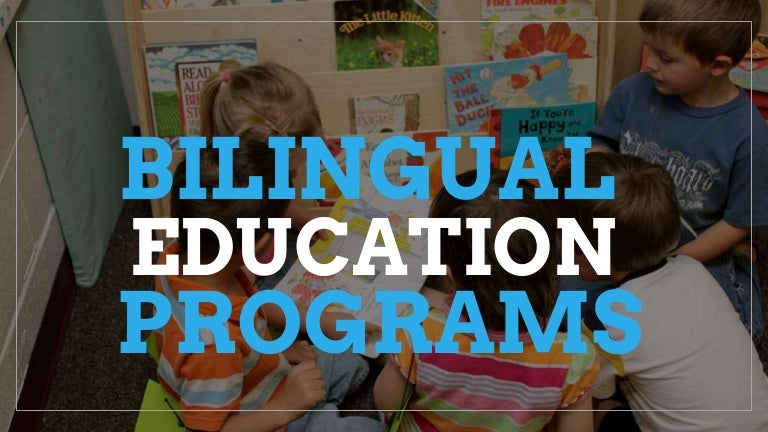
Professional development is a crucial aspect of any educator’s career, but it holds particular importance for bilingual educators. These dedicated professionals not only teach core subjects but also navigate the complexities of language acquisition and cultural understanding. To enhance their teaching skills and stay up to date with the latest research and methodologies, bilingual educators can benefit greatly from targeted professional development opportunities.
One key area of professional development for bilingual educators is language proficiency. It’s essential that these teachers maintain a high level of fluency in both languages they are teaching, as well as deepen their knowledge of the specific nuances and variations within those languages. Professional development programs offer workshops and courses that focus on improving language skills, including vocabulary expansion, grammar refinement, and pronunciation techniques.
Cultural competence is another vital component addressed in professional development for bilingual educators. Understanding different cultures helps create inclusive classrooms where students feel valued and respected. Through workshops or seminars, teachers can gain insights into various cultural practices, traditions, customs, and beliefs related to the languages they teach. This knowledge enables them to incorporate culturally relevant materials into their lessons while fostering an environment that celebrates diversity.
Educators who work with bilingual students face unique challenges when it comes to curriculum design and instruction strategies. Professional development programs provide valuable resources on creating effective lesson plans tailored specifically for these learners’ needs. Teachers learn how to adapt existing curriculum materials by incorporating appropriate scaffolding techniques or modifying content delivery methods to ensure comprehension across languages.
Furthermore, technology plays a significant role in modern education, especially for bilingual classrooms where digital tools can enhance language learning experiences. Professional development opportunities equip educators with the necessary skills to integrate technology effectively into their teaching practice. They learn about various digital platforms designed specifically for language acquisition purposes such as online dictionaries or interactive language learning apps.
Lastly, collaboration among educators is encouraged during professional development sessions aimed at supporting bilingual education. Peer-to-peer discussions allow participants to share best practices while exchanging ideas on how to overcome common challenges faced by bilingual educators. By fostering this collaborative environment, professional development programs provide opportunities for teachers to network, learn from one another’s experiences, and build a strong community of bilingual educators.
In conclusion, professional development is invaluable for bilingual educators as it helps them enhance their language proficiency, deepen cultural competence, improve instructional strategies, integrate technology effectively, and foster collaboration with peers. These targeted opportunities ensure that bilingual educators stay up to date with the latest research and methodologies in order to provide high-quality education to their students. By investing in their own growth and learning through professional development programs, bilingual educators can continue making a positive impact on the lives of their students.
 Alternative Amie
Leave a comment