Blended Learning: A Powerful Educational Approach for the 21st Century
In today’s rapidly evolving world, traditional classroom education is no longer the only option for students seeking knowledge and skills. As technology continues to reshape our lives, it has also revolutionized the way we learn. One such educational approach that has gained significant traction in recent years is blended learning.
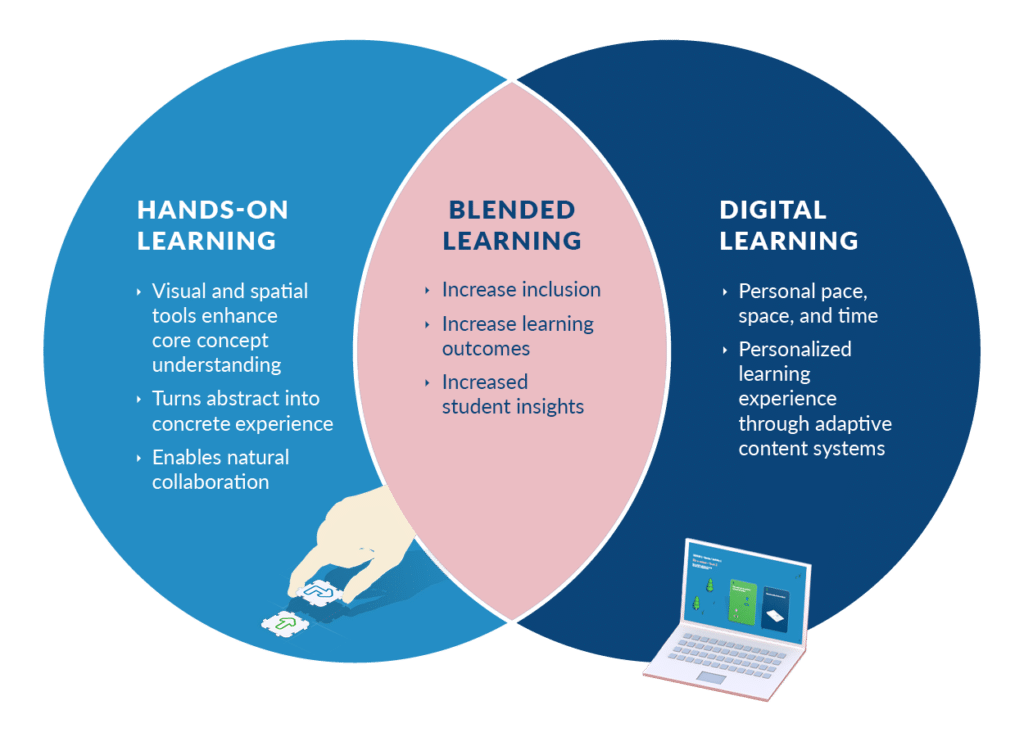
Blended learning combines face-to-face instruction with online learning tools and resources, creating a powerful and dynamic educational experience. It offers students a personalized learning environment where they can thrive at their own pace while still benefiting from real-time interaction with teachers and peers.
The origins of blended learning can be traced back to the early 2000s when educators started harnessing the potential of technology to enhance classroom instruction. Over time, as internet access became more widespread and digital tools became increasingly sophisticated, blended learning evolved into an innovative pedagogical method that integrates both physical and virtual components seamlessly.
One of the key strengths of blended learning lies in its flexibility. By combining in-person teaching with online resources, students have greater control over their own education. They can access course materials anytime, anywhere, allowing them to study at their convenience while accommodating other commitments such as extracurricular activities or part-time jobs.
Moreover, blended learning promotes active engagement by leveraging multimedia elements such as videos, interactive simulations, and gamified content. These digital tools not only make lessons more engaging but also cater to diverse learning styles by presenting information in multiple formats. This approach fosters critical thinking skills and encourages students to take ownership of their own learning journey.
Another significant advantage of blended learning is its ability to offer personalized instruction tailored to individual student needs. With online platforms tracking student progress through data analytics algorithms, educators gain valuable insights into each student’s strengths and weaknesses. Armed with this information, teachers can customize lesson plans according to individual requirements or provide additional support where necessary.
Furthermore, blending different modes of learning creates opportunities for collaboration and peer-to-peer interaction. Online discussion boards, video conferencing, and group projects foster communication skills and teamwork, preparing students for the collaborative nature of the modern workforce.
Blended learning also allows educators to differentiate instruction more effectively. With access to a plethora of online resources, teachers can offer varied materials that cater to different skill levels within a classroom. Advanced learners can delve deeper into complex concepts while struggling students receive additional support through remedial modules or one-on-one sessions with teachers.
In addition to its benefits for students, blended learning also empowers educators by expanding their teaching repertoire. With digital tools at their disposal, teachers can experiment with innovative teaching methods that go beyond traditional lecture-style delivery. They can incorporate multimedia content, gamification elements, and interactive quizzes into their lessons, creating an engaging and immersive learning experience.
However, it is important to note that implementing blended learning successfully requires careful planning and professional development for educators. Teachers must be proficient in using technology effectively while maintaining a balance between face-to-face interactions and online activities. School administrators need to provide ongoing support and resources to ensure seamless integration of virtual tools into the curriculum.
Blended learning has gained recognition across various educational settings worldwide due to its ability to bridge the gap between traditional education practices and contemporary technological advancements. Many alternative schools have embraced this approach as it aligns well with their philosophy of individualized instruction and non-traditional classroom environments.
For instance, Montessori-inspired schools have successfully integrated blended learning into their curriculum by combining hands-on exploration with digital tools that promote independent inquiry-based learning. This combination empowers students’ natural curiosity while ensuring they develop essential digital literacy skills required in today’s technologically driven world.
Similarly, project-based schools often incorporate blended learning methodologies as they encourage self-directed research combined with real-world problem-solving experiences. By leveraging online resources alongside community partnerships or field trips, these schools equip students with both theoretical knowledge and practical skills.
Blended learning has also found success in the realm of homeschooling. Online platforms and virtual classrooms provide homeschooling families with access to high-quality resources, expert instruction, and opportunities for social interaction. This approach allows parents to customize their child’s education while still benefiting from professional guidance.
In conclusion, blended learning offers a powerful educational approach that combines the best of both traditional and online learning environments. It empowers students by providing flexibility, personalization, collaboration, and engagement. It equips educators with innovative teaching tools to enhance student learning outcomes. As technology continues to shape our world, blending physical and virtual elements in education will undoubtedly play a crucial role in preparing students for future success.
 Alternative Amie
Leave a comment