Brain-Friendly Classroom Design: Enhancing Learning and Creativity
In today’s fast-paced world, education is constantly evolving to meet the needs of students. One aspect that has gained significant attention is classroom design. Gone are the days of rigid rows of desks and a teacher-centered approach. Instead, educators are embracing brain-friendly classroom design to create an environment that promotes learning, creativity, and overall student well-being.
So what exactly does brain-friendly classroom design entail? It involves creating spaces that cater to how our brains naturally process information. By understanding how the brain works, educators can optimize their classrooms to enhance learning outcomes.
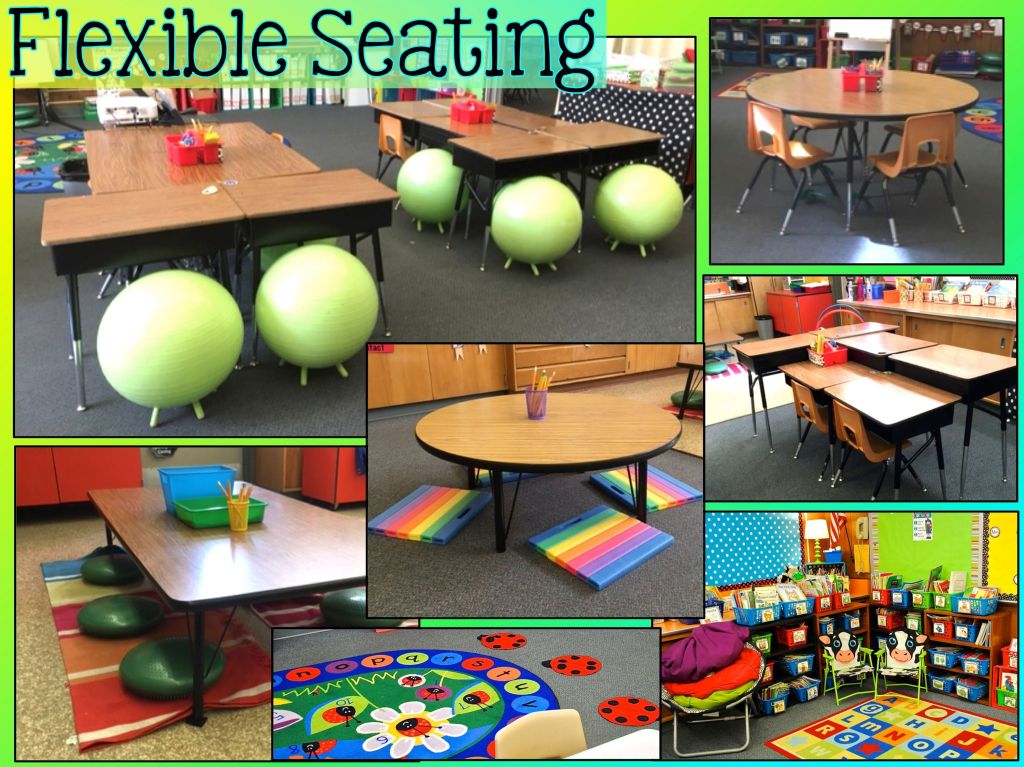
One key principle of brain-friendly classroom design is providing a variety of seating options. Traditional desks may not be conducive to every student’s learning style or physical comfort. By incorporating flexible seating such as bean bags, standing desks, or floor cushions, students have the freedom to choose where they feel most comfortable and focused.
Another important consideration is lighting. Natural light has been shown to have numerous benefits for cognitive function and mood regulation. Therefore, classrooms should aim for ample natural light by maximizing window space or using full-spectrum lighting if natural light is limited. Soft lighting can also help create a calming atmosphere suitable for concentration tasks.
The arrangement of furniture in a brain-friendly classroom plays a crucial role as well. Open spaces with clearly defined zones allow for movement and collaboration while maintaining orderliness. This setup encourages group work and discussions, fostering social interaction among peers and promoting communication skills.
Furthermore, incorporating elements of nature into the classroom has proven beneficial for students’ mental health and well-being. Indoor plants not only add aesthetic value but also improve air quality by reducing carbon dioxide levels while increasing oxygen flow – ultimately enhancing cognitive performance.
Lastly, color psychology plays an essential role in brain-friendly design choices within educational settings. Different colors evoke various emotions; therefore, it’s important to carefully select colors based on their intended purpose within each area of the classroom. For instance, warm hues like yellow and orange can stimulate creativity and enthusiasm, while cool colors like blue and green promote a sense of calmness and focus.
Brain-friendly classroom design goes beyond mere aesthetics; it aims to create an environment that supports students’ overall cognitive development. By implementing these principles, educators are empowering learners to take ownership of their education, fostering curiosity, creativity, collaboration, and ultimately improving academic performance.
In conclusion, brain-friendly classroom design is a holistic approach that considers the impact of physical spaces on students’ learning experiences. Providing flexible seating options, optimizing lighting conditions, arranging furniture for movement and collaboration, integrating nature elements into the environment, and utilizing color psychology are all important factors to consider when designing classrooms. By creating spaces that align with how our brains naturally function and thrive best in educational settings, we can cultivate a positive atmosphere for learning and empower students to reach their full potential.
 Alternative Amie
Leave a comment