Project-Based Learning: Fostering Creativity and Critical Thinking in Education
In recent years, there has been a growing interest in alternative approaches to education that aim to promote deeper learning and equip students with essential skills for the future. One such approach gaining popularity is project-based learning (PBL). PBL shifts the focus from traditional teacher-centered instruction to student-led exploration, fostering creativity and critical thinking while preparing students for real-world challenges.
At its core, project-based learning revolves around engaging students in authentic, hands-on projects that require them to investigate real-world problems or issues. These projects are often interdisciplinary in nature, drawing on various subject areas such as science, math, language arts, social studies, and technology. By connecting classroom content with real-life applications, PBL allows students to see the relevance of their learning beyond the confines of textbooks.
One of the key benefits of project-based learning is its ability to foster creativity among students. Unlike traditional methods where knowledge is imparted through lectures or standardized tests, PBL encourages learners to think critically and come up with innovative solutions. Students are given autonomy over their projects and are encouraged to explore different possibilities rather than adhering strictly to prescribed answers. This freedom not only stimulates creative thinking but also nurtures an entrepreneurial mindset that prepares students for success in an ever-evolving job market.
Moreover, project-based learning promotes collaboration among students. In today’s interconnected world where teamwork is highly valued across industries, it is crucial for young learners to develop strong interpersonal skills early on. Through group work on projects that require brainstorming ideas and sharing responsibilities, students learn how to effectively communicate with peers and collaborate towards a common goal. These collaborative experiences mirror the dynamics of professional environments where diverse perspectives contribute towards achieving collective outcomes.
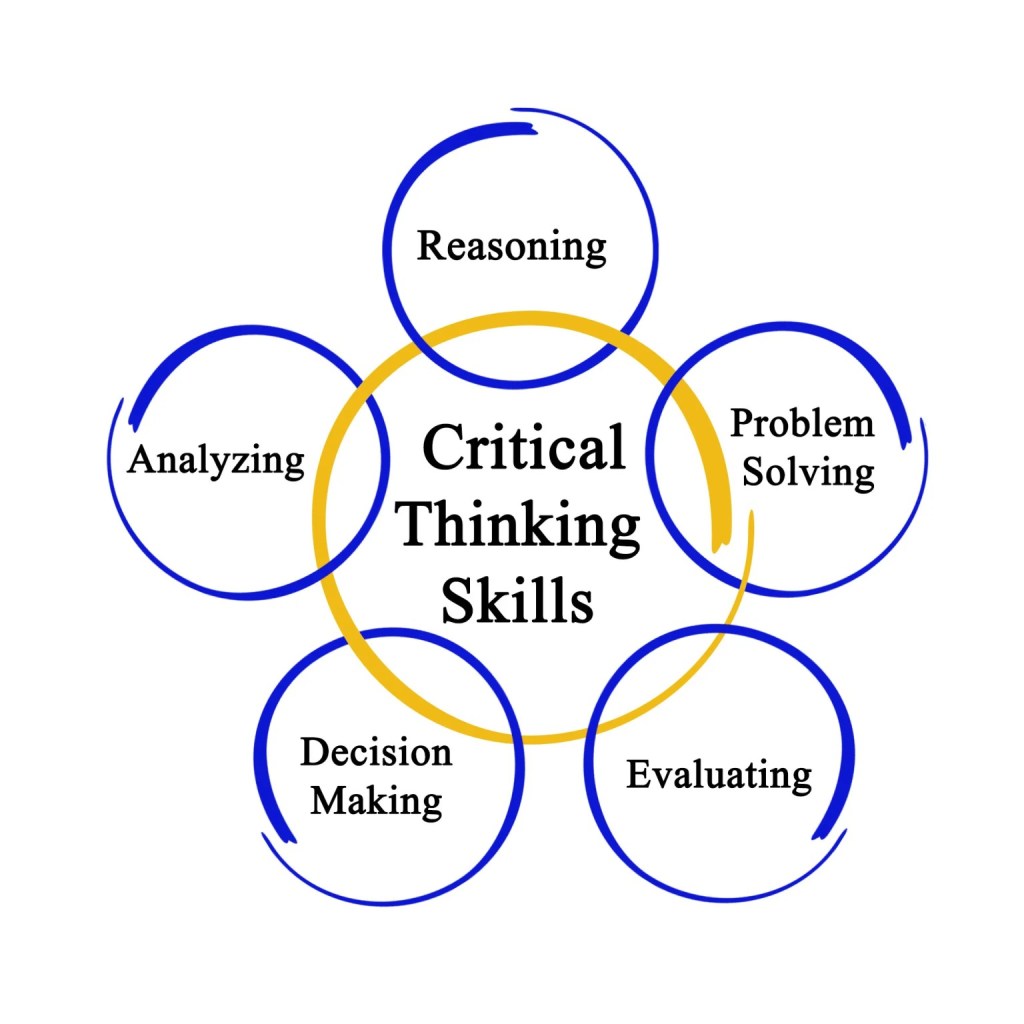
Another significant advantage of project-based learning lies in its ability to cultivate critical thinking skills. Rather than merely memorizing facts or following rote procedures without understanding underlying concepts, PBL encourages students to delve deeper into subjects and engage in higher-order thinking. By grappling with real-world problems, students learn not only how to analyze information but also how to evaluate evidence and make informed decisions. These critical thinking skills are essential for success in college, careers, and civic life.
Furthermore, project-based learning instills a sense of ownership and responsibility in students for their own learning. As they take charge of their projects from start to finish, learners develop invaluable self-management skills such as goal-setting, time management, and perseverance. They learn the importance of planning ahead, organizing resources effectively, and persisting through challenges. This sense of agency empowers students and helps them develop a growth mindset – the belief that intelligence is not fixed but can be developed through effort and practice.
Critics argue that project-based learning may sacrifice content knowledge in favor of process-oriented skills. However, proponents of PBL emphasize that it can actually deepen understanding by contextualizing knowledge within meaningful projects. When students actively apply what they have learned to solve genuine problems or create something tangible, they develop a more robust understanding of the subject matter compared to passive absorption of information.
Furthermore, project-based learning aligns well with emerging technological advancements such as virtual reality (VR) or augmented reality (AR). These immersive technologies provide opportunities for students to explore complex concepts hands-on while enhancing engagement levels. For instance, rather than merely reading about ancient civilizations in textbooks or watching documentary videos passively, learners can utilize VR experiences where they virtually visit historical sites or interact with artifacts. Such integration enhances both the authenticity and impact of project-based learning experiences.
In conclusion, project-based learning offers an innovative approach that fosters creativity and critical thinking among students while preparing them for future challenges. By engaging in authentic projects that require interdisciplinary collaboration and problem-solving skills, learners are equipped with essential 21st-century competencies such as communication skills,
collaboration abilities,
and critical thinking capabilities. Furthermore, project-based learning empowers students to take ownership of their education and develop self-management skills that are crucial for success in a rapidly changing world. As educators strive to impart not only knowledge but also the skills necessary for lifelong learning, project-based learning emerges as a promising educational paradigm that can transform traditional classrooms into dynamic hubs of creativity and intellectual growth.
 Alternative Amie
Leave a comment