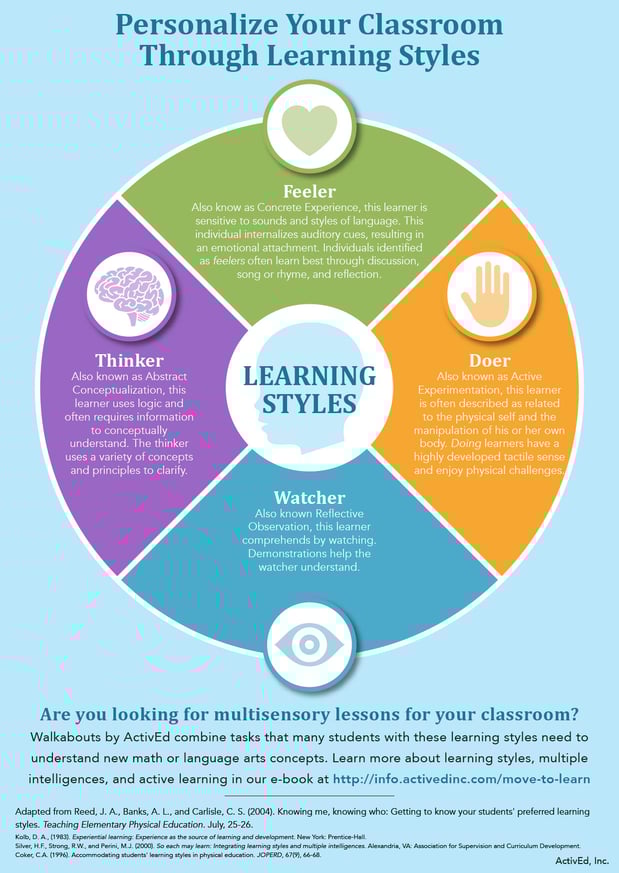
When it comes to learning, everyone has their own unique style. Some people thrive in a traditional classroom setting, while others prefer more hands-on experiences. Understanding your learning style can greatly enhance your educational journey and help you make the most of your time spent studying. In this article, we will explore 15 different learning styles that cater to various preferences and provide tips on how to effectively utilize them.
1. Visual Learners: These individuals learn best through visual aids such as charts, graphs, and diagrams. To maximize their learning potential, visual learners should create flashcards or use color-coded notes.
2. Auditory Learners: For auditory learners, listening is key. They benefit from lectures, discussions, and podcasts. Taking recorded notes and studying with background music can enhance their retention.
3. Verbal Learners: Verbal learners excel at expressing themselves through words both written and spoken. They can benefit from group discussions or teaching concepts to someone else.
4. Kinesthetic Learners: These hands-on learners need physical activity to grasp concepts fully. Engaging in role-plays or using manipulative tools during study sessions would be beneficial for them.
5.Logical-Mathematical Learners: Logical-mathematical learners have a strong aptitude for reasoning and problem-solving skills.They learn best by understanding patterns and connections between ideas.
6.Interpersonal Learners: Interpersonal learners thrive in social settings where they can collaborate with others.Studying in groups or participating in debates are perfect ways for them to absorb knowledge.
7.Intrapersonal Learners: Unlike interpersonal learners who enjoy group work,intrapersonal learners prefer solitary activities like self-reflection.The journaling process helps these individuals understand difficult concepts better.
8.Naturalistic Learners:Naturalistic learners connect well with nature; they find it easier to understand information when it is related to the environment around them.Getting outside during study breaks can improve focus.
9.Social Learners: Social learners need a sense of community to thrive. Online forums or study groups can help them feel supported and engaged in the learning process.
10.Intuitive Learners:Intuitive learners rely on their instincts and gut feelings to understand information.They benefit from brainstorming sessions and creative problem-solving activities.
11.Structural Learners: Structural learners are highly organized and prefer logical frameworks. They can create outlines or use mind maps to organize their thoughts effectively.
12.Global Learners: Global learners have a holistic approach; they grasp concepts by understanding the big picture first. Starting with an overview before diving into details works best for them.
13.Sequential Learners: Sequential learners appreciate step-by-step instructions. Breaking down complex tasks into smaller, manageable steps helps them comprehend the material more easily.
14.Tactile Learners:Tactile learners learn through touch and movement. Engaging in hands-on experiments or using physical models improves their understanding of abstract concepts.
15.Artistic Learners: Artistic learners express themselves through creativity such as drawing, painting, or music. Incorporating art into studying, like creating visual metaphors for complex ideas, creates a deeper connection.
In conclusion, understanding your learning style is essential for effective education. By identifying the methods that work best for you, you can optimize your learning experience and achieve academic success. Remember that everyone has a different combination of learning styles, so don’t be afraid to experiment until you find what works best for you!
 Alternative Amie
Leave a comment