Plant Identification: A Guide to Connecting with Nature
Introduction:
In the hustle and bustle of modern life, it’s easy to feel detached from nature. However, connecting with the natural world is essential for our well-being and understanding of the environment around us. One way to foster this connection is through plant identification. Not only does it allow us to appreciate the beauty of plants, but it also helps us understand their role in ecosystems and even offers opportunities for educational activities. In this article, we will delve into the fascinating world of plant identification and explore various methods that can be used.
Why Plant Identification Matters:
Plant identification is a valuable skill that opens up a world of possibilities. By learning to identify different plants, we can deepen our understanding of biodiversity and ecological relationships. It helps us recognize invasive species that may harm native flora or spot rare plants worthy of conservation efforts.
Furthermore, knowing which plants are edible or have medicinal properties allows us to connect with traditional knowledge while fostering self-sufficiency in food production or natural remedies. Moreover, plant identification provides an avenue for engaging in citizen science projects by contributing data on plant distributions or phenological events like flowering times.
Methods for Plant Identification:
1. Field Guides:
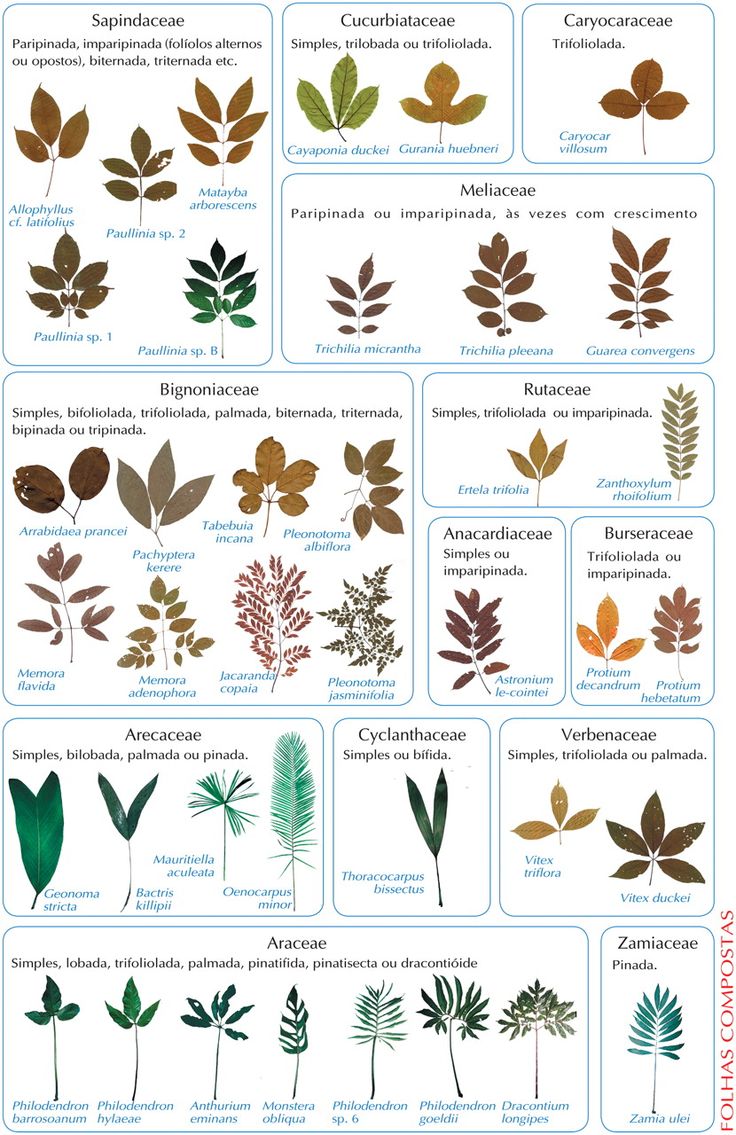
Field guides are one of the most accessible resources for identifying plants in specific regions or habitats. These books contain detailed descriptions, photographs, illustrations, and keys that help classify unknown species based on various characteristics such as leaf shape, flower color, stem texture, or fruit type.
2. Online Resources:
With advancements in technology and widespread internet access, online resources have become invaluable tools for plant identification. Websites like iNaturalist.org or Plant.id provide platforms where users can upload photos for crowd-sourced identifications from experts worldwide.
3. Mobile Apps:
Mobile applications such as PictureThis or Seek utilize image recognition algorithms to identify plants directly from photographs taken by smartphones’ cameras. These apps often come with additional features like community forums, plant care tips, or even augmented reality experiences.
4. Botanical Gardens and Arboretums:
Visiting botanical gardens or arboretums offers a hands-on approach to learn about plants. Many of these institutions have dedicated sections for plant identification, where visitors can explore labeled collections or participate in guided tours led by knowledgeable staff.
Educational Activities:
1. Nature Walks:
Organizing nature walks is a fantastic way to engage students or community members in plant identification. By working with local experts or using field guides, participants can learn to identify common plant species while appreciating the natural beauty around them.
2. Planting Projects:
Incorporating planting projects into educational curricula provides an opportunity for students to observe the growth and development of plants firsthand. They can document each stage of a plant’s life cycle and study its unique characteristics, aiding in identification skills.
3. Herbarium Creation:
Creating a classroom herbarium involves collecting and preserving dried plant specimens along with relevant information such as location, date, and habitat details. This activity not only enhances identification skills but also teaches proper collection techniques and promotes documentation of local flora diversity.
Conclusion:
Plant identification is more than just naming plants; it fosters curiosity, appreciation for biodiversity, and understanding of ecological systems. Whether through field guides, online resources, mobile apps, or hands-on activities like nature walks or herbarium creation – there are numerous ways to engage with this valuable skillset. So let’s embark on this journey together – connecting with nature one leaf at a time!
 Alternative Amie
Leave a comment